
Ujjain Mahakal is not merely a religious destination; it is a spiritual confrontation with time itself. Among all sacred Shiva shrines in India, Ujjain occupies a position that is both revered and feared. Here, Lord Shiva is worshipped not as a peaceful ascetic or a cosmic dancer, but as Mahakal, the absolute master of time, death, and destiny. The very name evokes awe, submission, and an instinctive awareness of mortality.
The word Mahakal is formed from two Sanskrit roots: Maha, meaning great or supreme, and Kaal, meaning time. Mahakal, therefore, is the one who transcends time, controls death, and dissolves all worldly illusions. In Ujjain, time is not measured by clocks or calendars; it is experienced as a spiritual force that strips human existence down to its core truth.
This is why Ujjain Mahakal is both feared and revered. Devotees do not come here seeking comfort alone. They come carrying fear, accumulated karma, unresolved grief, and an unspoken longing for liberation. Mahakal does not promise ease. He promises truth.
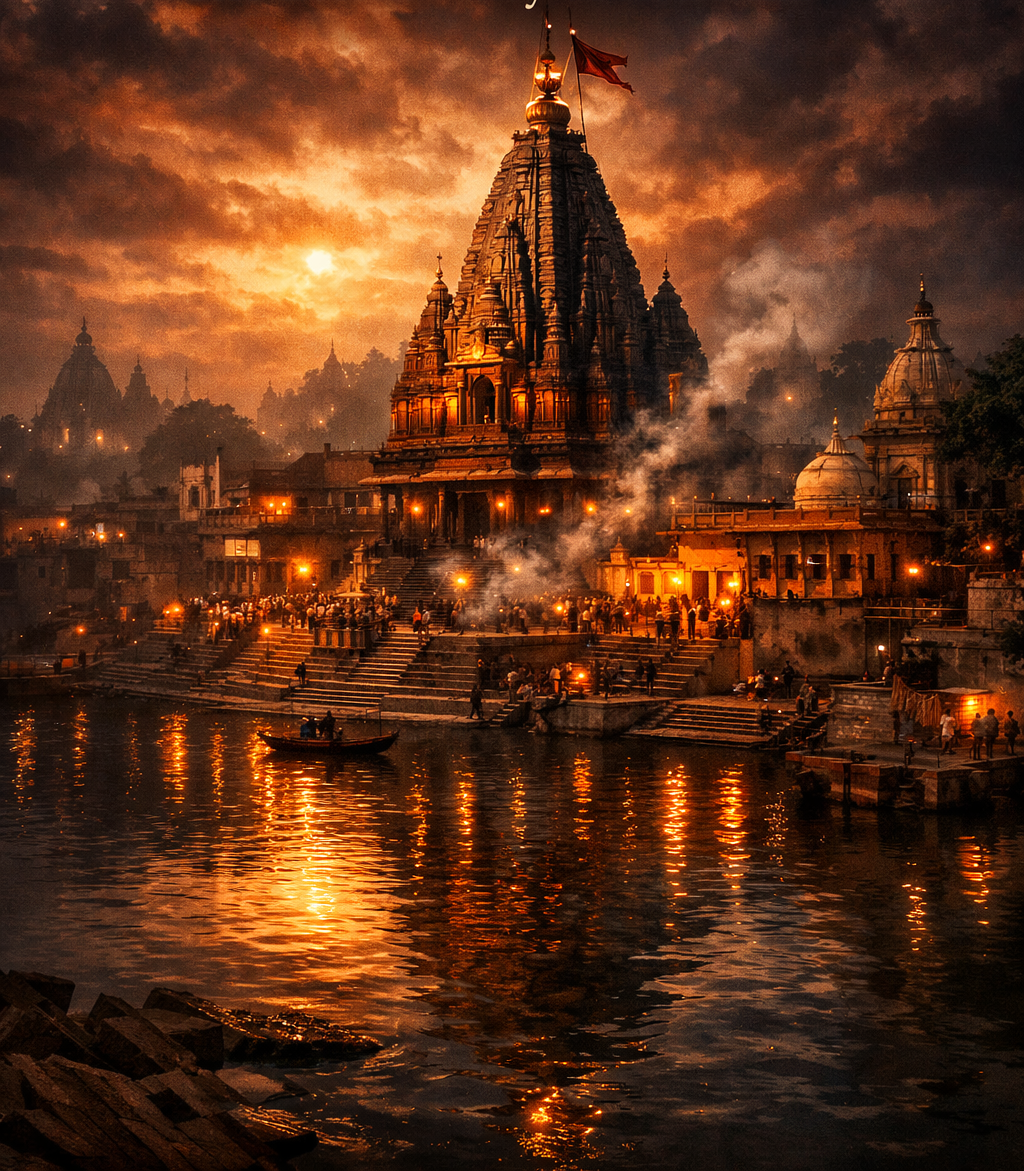
Long before modern civilization, Ujjain was known as Avantika, a city described in ancient scriptures as spiritually indestructible. It is counted among the Sapta Puri, the seven sacred cities believed to grant moksha, or liberation from the cycle of birth and death. This status places Ujjain alongside cities such as Varanasi and Ayodhya, yet its spiritual nature remains distinct.
Ancient texts refer to Ujjain by several names, including Avantika, Ujjayini, and Padmavati. Each name reflects a different phase of its spiritual and cultural evolution. Ujjain was not only a religious center but also a hub of learning, governance, and cosmic science.
The city is deeply associated with King Vikramaditya, one of the most legendary rulers in Indian history. His reign symbolized justice, wisdom, and cultural prosperity. The Vikram Samvat calendar, still widely followed today, originated from Ujjain, further reinforcing the city’s association with time and cosmic order.
From an astronomical perspective, Ujjain held extraordinary importance. Ancient Indian astronomers considered it the prime meridian for calculating time, much like Greenwich in the modern world. This was not a coincidence. Spiritually and scientifically, Ujjain was seen as the center where earthly time aligned with cosmic rhythms.
What Is a Jyotirlinga?
A Jyotirlinga represents the infinite, formless nature of Lord Shiva expressed as a pillar of divine light. Among the twelve Jyotirlingas mentioned in Hindu scriptures, Mahakaleshwar holds a unique position because it is believed to be Swayambhu, or self-manifested. It was not installed by human hands, nor consecrated through ritual alone; it emerged through divine will.
Why Mahakal Is Swayambhu
The Mahakaleshwar Jyotirlinga is said to have risen from the earth itself, embodying Shiva’s promise to permanently reside in Ujjain. This self-manifested nature makes the shrine exceptionally powerful. Devotees believe that the energy here is raw, ancient, and unfiltered by human interpretation.
The Significance of the South-Facing Lingam
Mahakaleshwar is the only Jyotirlinga that faces south, a direction traditionally associated with Yama, the god of death. In Shaiva philosophy, this orientation symbolizes Shiva’s dominance over death itself. By facing south, Mahakal confronts mortality directly, reminding devotees that death is not an end but a transformation.
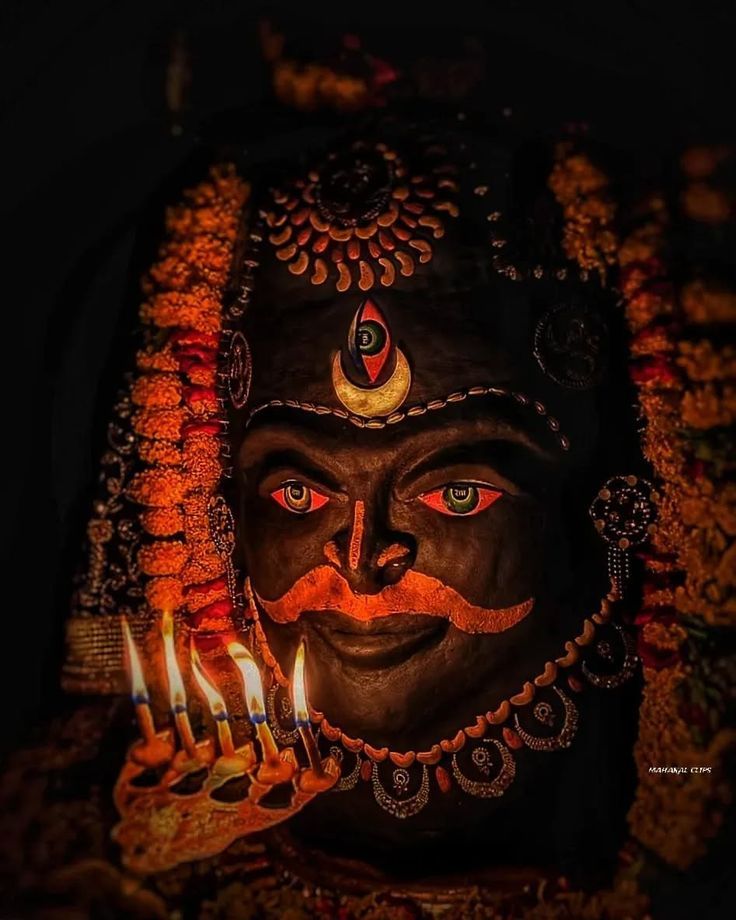
Why It Is Considered the Most Powerful Jyotirlinga
Mahakal is worshipped as the ruler of time. While other Jyotirlingas protect devotees from worldly suffering, Mahakal confronts them with existential truth. It is believed that sincere worship here can burn accumulated karma across lifetimes, making Mahakaleshwar not just a place of prayer, but a gateway to liberation.
According to the Skanda Purana, the city of Ujjain once suffered under the tyranny of a demon named Dushan. Empowered by a boon, the demon disrupted sacred rituals and tormented sages, preventing them from performing their spiritual duties. The suffering reached a point where the sages collectively prayed to Lord Shiva for deliverance.
In response, Shiva emerged from the depths of the earth in a terrifying form — Mahakal. This manifestation was not gentle or forgiving. It was absolute, fierce, and decisive. Mahakal destroyed Dushan and restored cosmic balance, halting the disruption of time and dharma.
After defeating the demon, Shiva declared that he would reside permanently in Ujjain as Mahakal, guarding the city and all who surrender to him. This promise transformed Ujjain into a spiritual stronghold where time itself bends before divine will.
The Bhasma Aarti is performed in the early hours of the morning, typically between 3:00 AM and 4:00 AM. This pre-dawn ritual is unique to Mahakaleshwar and is considered one of the most powerful forms of Shiva worship in the world.
Why Ash Is Used
Bhasma, or sacred ash, symbolizes the final truth of all material existence. Everything that is born eventually turns to ash. By adorning Mahakal with bhasma, devotees are reminded of impermanence and the futility of ego, attachment, and fear.
Spiritual and Tantric Meaning
In tantric philosophy, bhasma represents transcendence over death. The ritual is not symbolic alone; it is experiential. Witnessing the Bhasma Aarti is believed to dissolve fear of death and awaken spiritual detachment.
Rules for Attending the Bhasma Aarti
Attendance requires strict discipline. Devotees must follow dress codes, ritual purity guidelines, and advance registration. These rules are not arbitrary; they prepare the mind and body for an encounter with raw spiritual energy.
Kal Bhairav Temple: The Guardian of Justice and Fear
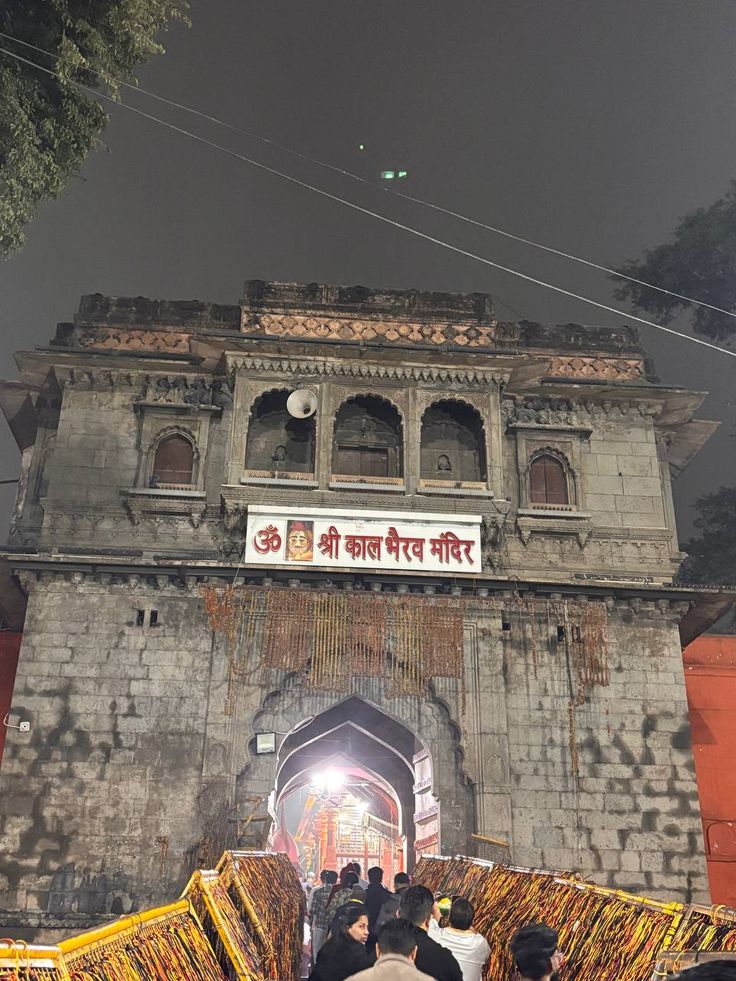
Kal Bhairav is a fierce manifestation of Shiva, entrusted with guarding Ujjain. He represents time-bound justice, discipline, and karmic accountability. Unlike benevolent deities, Kal Bhairav does not forgive without consequence.
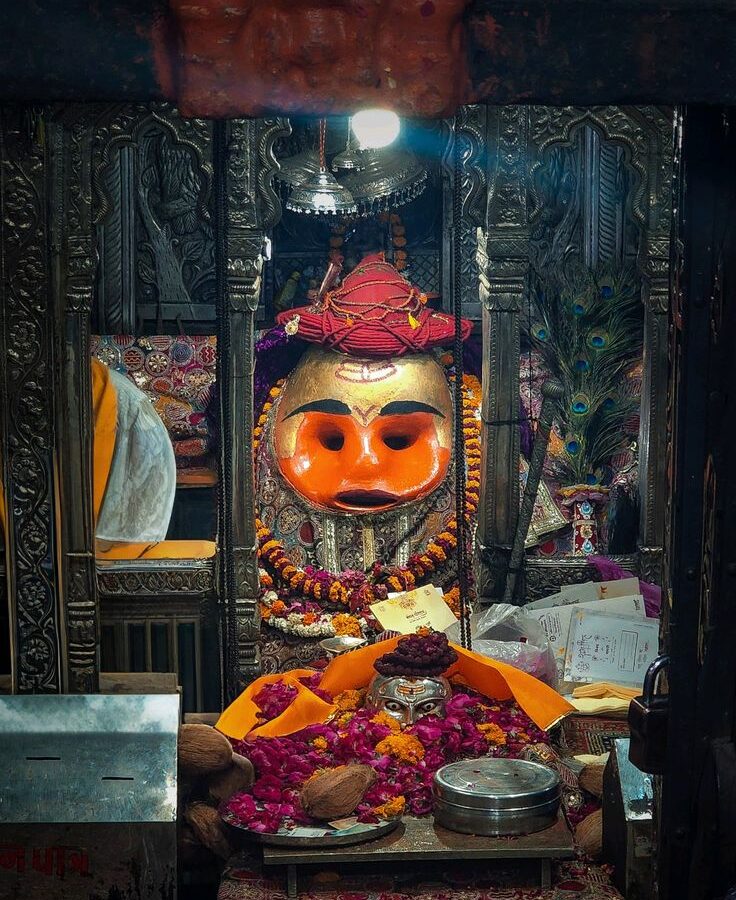
One of the most striking aspects of Kal Bhairav worship is the offering of liquor. This practice is symbolic rather than indulgent. It represents the surrender of ego, desire, and intoxication of the mind. The offering is believed to be accepted spiritually, not materially.
Kal Bhairav governs fear and punishment. Devotees seek his blessings to overcome obstacles, legal issues, and inner demons. Tantric practitioners regard the temple as a powerful center for spiritual discipline and protection.
Shipra River: The Flow of Purification
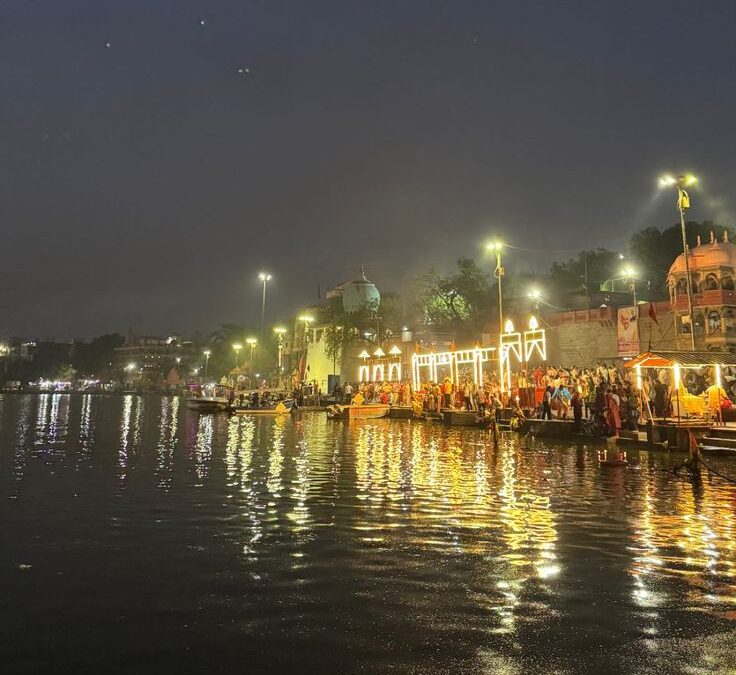
The Shipra River is the spiritual lifeline of Ujjain. Ancient scriptures describe it as a purifier of sins and karmic residues. Bathing in Shipra is considered a preparatory act before Mahakal darshan, cleansing both body and consciousness.
The river hosts the Shipra Kumbh Mela, one of the largest spiritual gatherings in India. Held every twelve years, the Kumbh draws millions seeking purification, renewal, and divine grace.
Visiting Ujjain Mahakal: Practical Spiritual Guidance
The best time to visit Ujjain Mahakal is between October and March, when the climate is conducive to pilgrimage. Festivals such as Mahashivratri transform the city into a living spiritual festival, with rituals, chants, and processions lasting through the night.
The darshan process includes general and special arrangements, depending on the season and festival calendar. While the system is organized, patience and humility are essential, as Mahakal does not respond to urgency born of ego.
The Spiritual Science Behind Mahakal
Mahakal embodies time symbolism. He represents the point where past, present, and future dissolve into awareness. Death consciousness in Shaiva belief is not morbid; it is liberating. By acknowledging death, one transcends fear.
Tantra and Shaiva philosophies view Mahakal as the ultimate teacher. His energy awakens awareness beyond ritual, beyond belief, and beyond identity.
Ujjain Mahakal FAQs: Questions Every Devotee Asks
After experiencing the power of Mahakal, continue your spiritual journey by visiting Grushneshwar Jyotirlinga, seeking blessings at Tirupati Balaji Temple, and surrendering at the holy shrine of Shirdi Sai Baba.
