53



India is home to ancient civilizations and remarkable architecture. Some temples stand out not only for their religious significance but for the mysteries that continue to baffle scientists and historians
Here is a detailed look at the Top 10 Mysterious Temples in India, where faith, history, and unexplained phenomena come together.
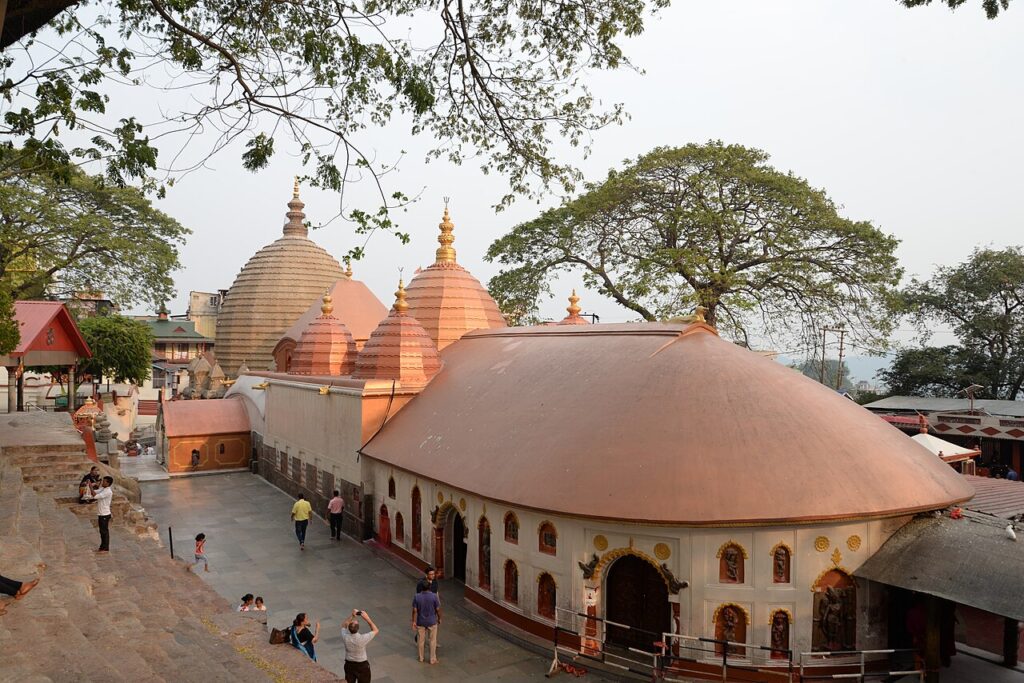
Located atop Nilachal Hill in Guwahati, the Kamakhya Temple is one of the most important Shakti Peethas in India. Unlike other temples, Kamakhya does not worship an idol but a yoni-shaped stone, symbolizing feminine power.
The greatest mystery lies in the Ambubachi Mela, when the temple is closed for three days every year. It is believed that the goddess undergoes her annual menstrual cycle, during which a natural spring inside the temple turns red.
Despite scientific explanations involving iron-rich water, the phenomenon continues to intrigue devotees and researchers alike.
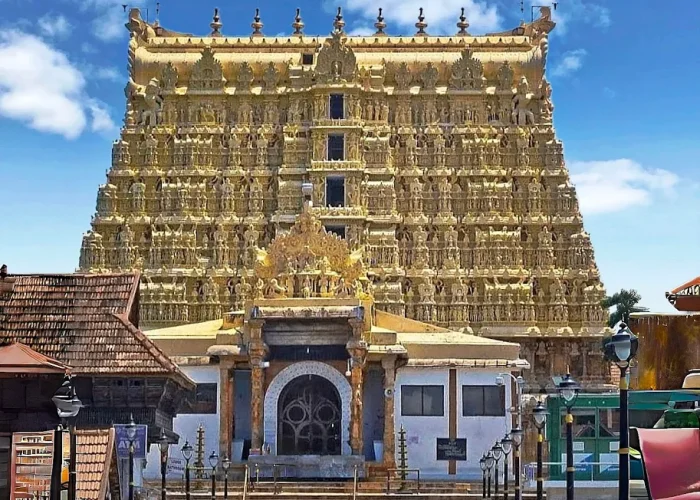
This ancient Vishnu temple in Thiruvananthapuram gained global attention when its underground vaults were opened in 2011, revealing unimaginable wealth.
However, Vault B remains unopened due to strong religious beliefs and warnings associated with it. Legends suggest catastrophic consequences if it is disturbed.
The mystery surrounding Vault B continues to spark debate between faith, law, and archaeology.
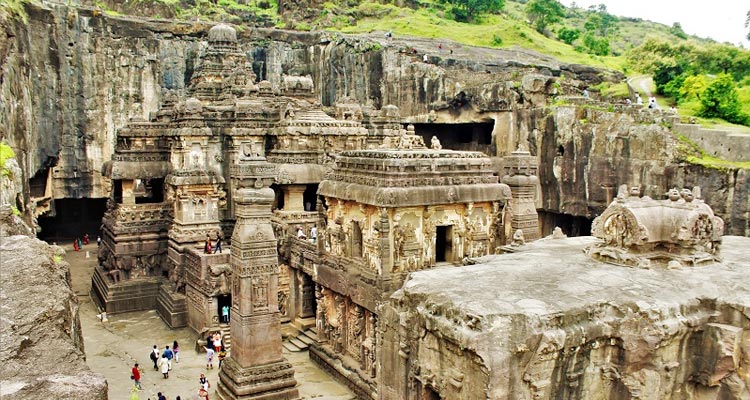
The Kailasa Temple is an architectural wonder carved entirely from a single massive rock, from top to bottom. Built in the 8th century during the Rashtrakuta dynasty, it is dedicated to Lord Shiva.
What baffles experts is how ancient craftsmen removed nearly 400,000 tons of rock using basic tools. Even today, replicating such a structure with modern machinery would be extremely difficult.
The destination of the excavated rock remains unknown, adding to the mystery.
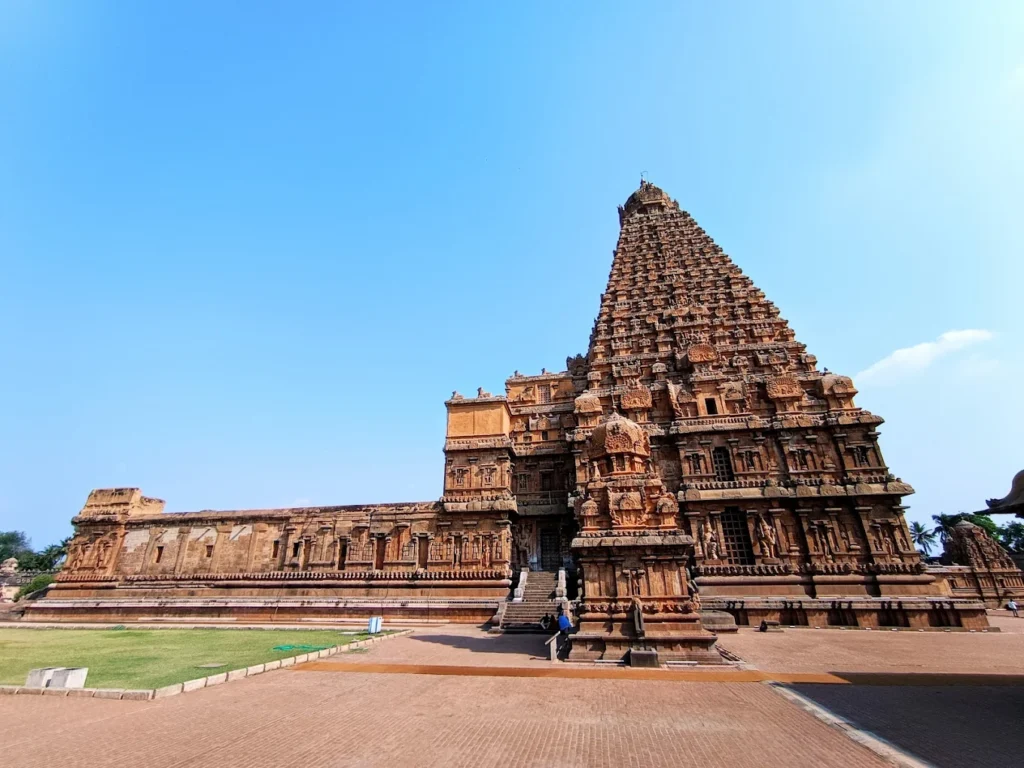
Built by Raja Raja Chola I in the 11th century, the Brihadeeswarar Temple in Thanjavur is a UNESCO World Heritage Site.
One of its most fascinating mysteries is that the 80-ton granite capstone sits atop the temple tower, yet it casts no shadow on the ground at noon during most of the year.
How ancient engineers achieved this precision without modern instruments remains a topic of debate among historians.
The Mehandipur Balaji Temple is widely known for rituals associated with exorcism and spiritual healing. Devotees from across the country visit this temple seeking relief from what they believe to be possession by negative energies.
Unusual behaviors such as screaming, fainting, and sudden emotional outbursts are often witnessed during rituals. Many claim instant recovery after the ceremonies.
While psychology offers possible explanations, the experiences reported here remain deeply mysterious to visitors.
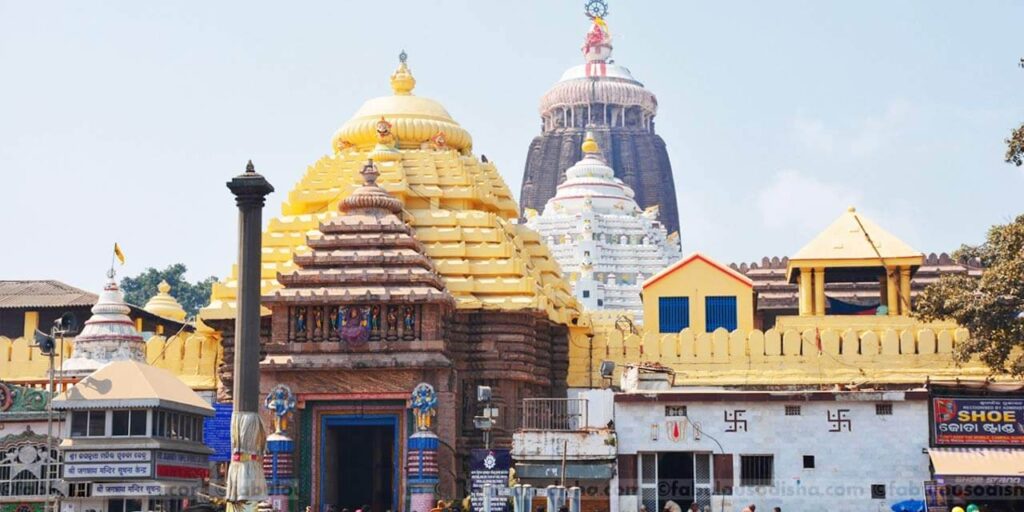
The Jagannath Temple is known for multiple unexplained phenomena:
The temple flag always flutters against the direction of the wind
The sound of ocean waves disappears once you enter the temple premises
Birds avoid flying above the temple
Despite scientific attempts, no conclusive explanation has been universally accepted.
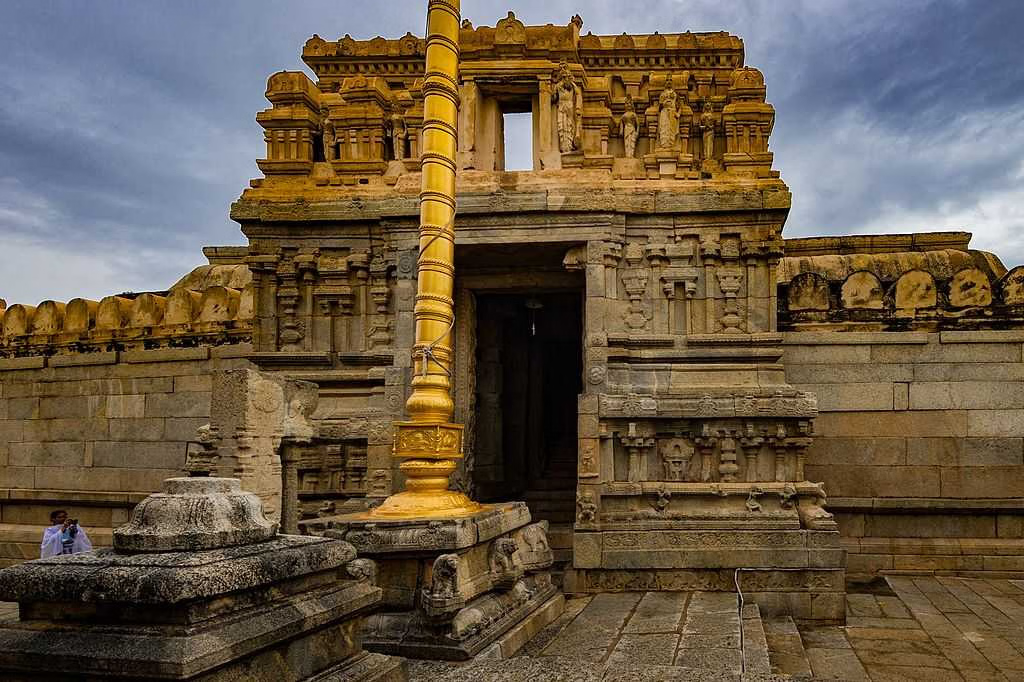
This 16th-century temple is famous for its hanging pillar, which does not touch the ground.
Visitors can pass cloth or paper beneath the pillar, proving that it is suspended in the air. The engineering technique used to achieve this remains unclear.
British engineers reportedly tried to move the pillar, causing it to tilt slightly but not fall.
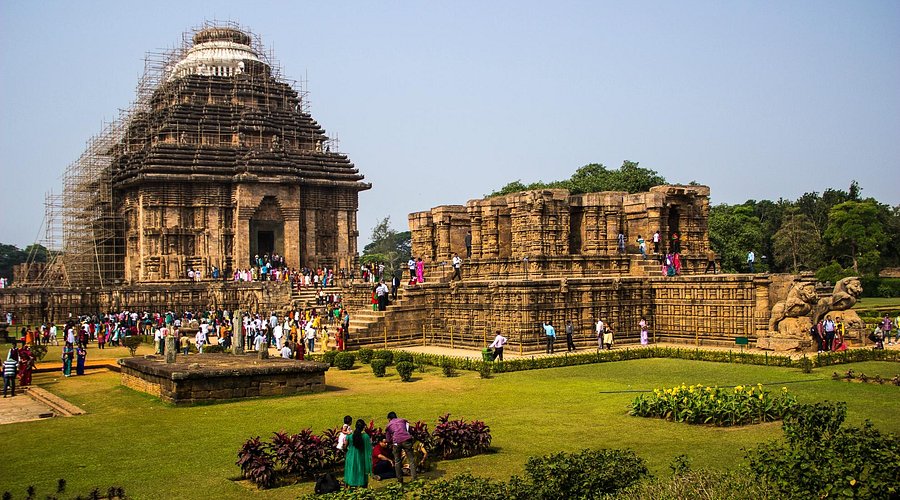
Once known as the “Black Pagoda,” the Konark Sun Temple was believed to have a massive magnetic stone at its peak.
According to legends, this magnet disrupted ship compasses, causing vessels to lose direction near the coast. The stone was later removed, possibly leading to the collapse of parts of the structure.
The advanced understanding of magnetism in ancient India continues to amaze researchers.
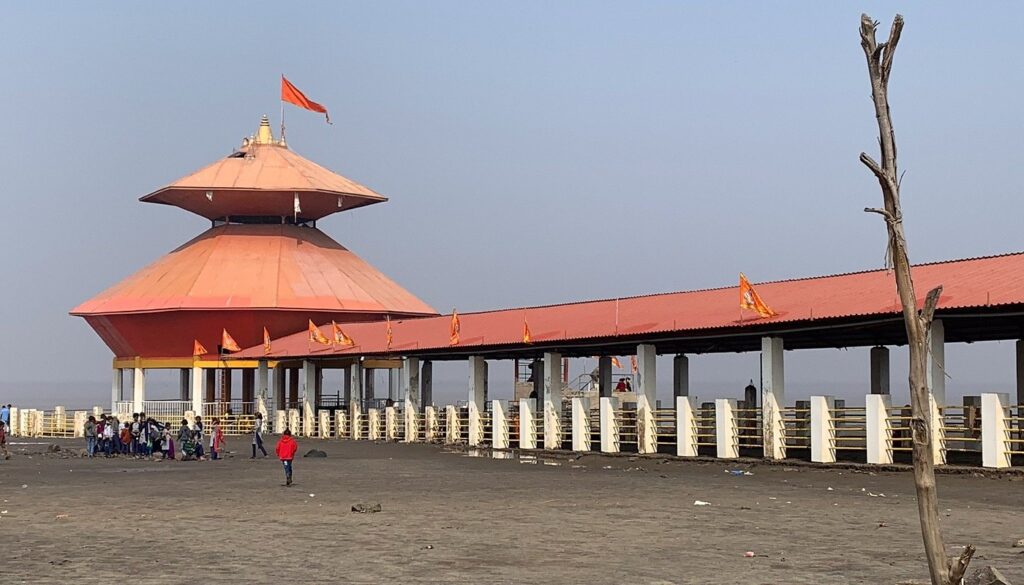
Situated in the Arabian Sea, the Stambheshwar Mahadev Temple is visible only during low tide and completely submerged during high tide.
Devotees visit the temple during specific hours to offer prayers before the sea reclaims it. The temple’s ability to withstand continuous ocean pressure without damage is remarkable.
Nature itself seems to participate in the daily worship here.
Nidhivan is believed to be the sacred site where Lord Krishna performs Raas Leela every night. No one is allowed to stay inside the grove after sunset.
Local priests claim that those who attempted to observe the night events faced severe consequences. Trees in Nidhivan are also mysteriously bent and intertwined.
Discover the full insights and crime analysis of the most dangerous cities in the world in 2026 by exploring our detailed report here.
