If you have ever felt lost, helpless, or quietly hopeful in your heart, chances are someone has told you one simple thing: “Shirdi jaa… Sai Baba Bula rahe hai.” And that is exactly how most journeys to the Sai Baba Temple Shirdi begin not with planning, but with a calling.
Shirdi is not loud. It doesn’t try to impress you. Yet, the moment you enter this small town in Maharashtra, something shifts inside you. The air feels slower. People walk with purpose, but not rush. Eyes are softer. Voices are calmer. Everyone seems to be walking toward the same place, carrying different stories, but the same faith.
Sai Baba of Shirdi was a spiritual saint who lived in India during the late 19th and early 20th century. He is respected by people of all religions because his teachings were based on love, faith, patience, and humanity rather than rituals or religious identity. Sai Baba always reminded people that God is one and taught the principle of “Sabka Malik Ek.”
The exact details of Sai Baba’s birth are unknown. He never spoke clearly about his parents, birthplace, or early life. Some believe he was born to Hindu parents, while others believe he had Muslim origins. Sai Baba himself never confirmed anything, as he believed that spiritual truth was more important than personal history.
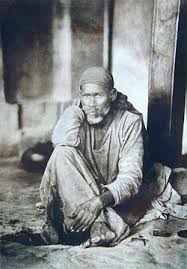
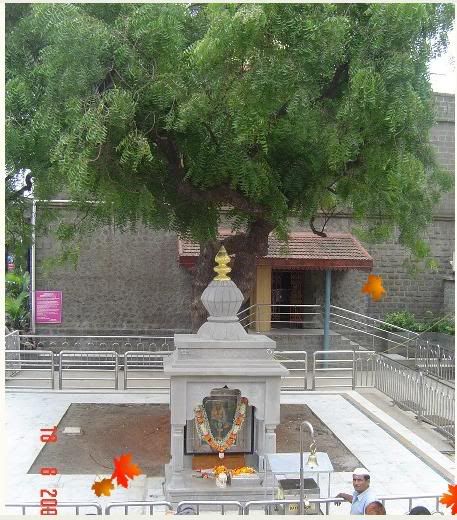
Sai Baba arrived in Shirdi as a young boy around the age of sixteen. He came to the village with a wedding procession and later chose to stay back in Shirdi. At first, villagers were unsure about him, as he lived a simple life under a neem tree, wearing minimal clothing and spending long hours in meditation. Over time, people began to notice his wisdom, compassion, and spiritual powers.
As years passed, Sai Baba made Shirdi his home. He lived among the villagers, helped the poor, healed the sick, and guided people through difficult moments of their lives. Slowly, Shirdi transformed from a small village into a powerful spiritual center, known today because of Sai Baba’s presence and teachings.
Architecture and Significance of Shirdi Sai Baba Temple
The Shirdi Sai Temple is simple in design but powerful in spiritual presence. The temple is built mainly with white marble and focuses more on devotion than grand architecture. At the center of the temple is the Samadhi of Sai Baba, where his mortal remains rest. The idol of Sai Baba seated on the Samadhi gives devotees a deep sense of peace and connection.
The Shirdi Sai Temple is not known for grand or complicated architecture. Its design is simple, clean, and peaceful, which reflects the humble life of Sai Baba. The temple is mainly built using white marble, giving it a calm and pure appearance. The main attraction of the temple is the Samadhi of Sai Baba, where his mortal remains are placed. Above the Samadhi sits a beautiful idol of Sai Baba, which gives devotees a strong feeling of peace and devotion.
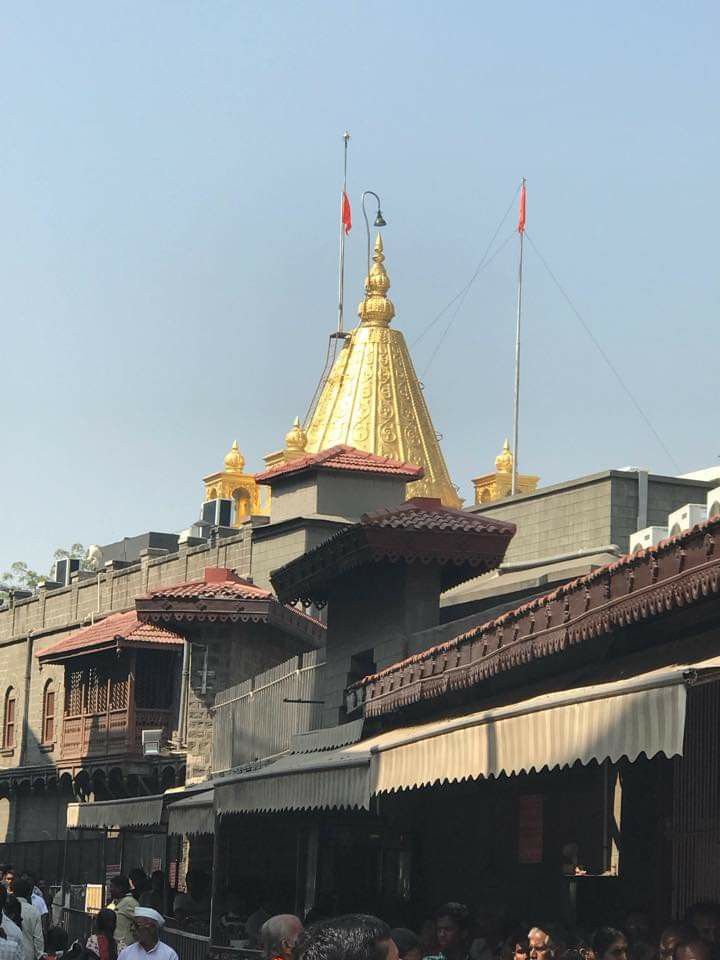
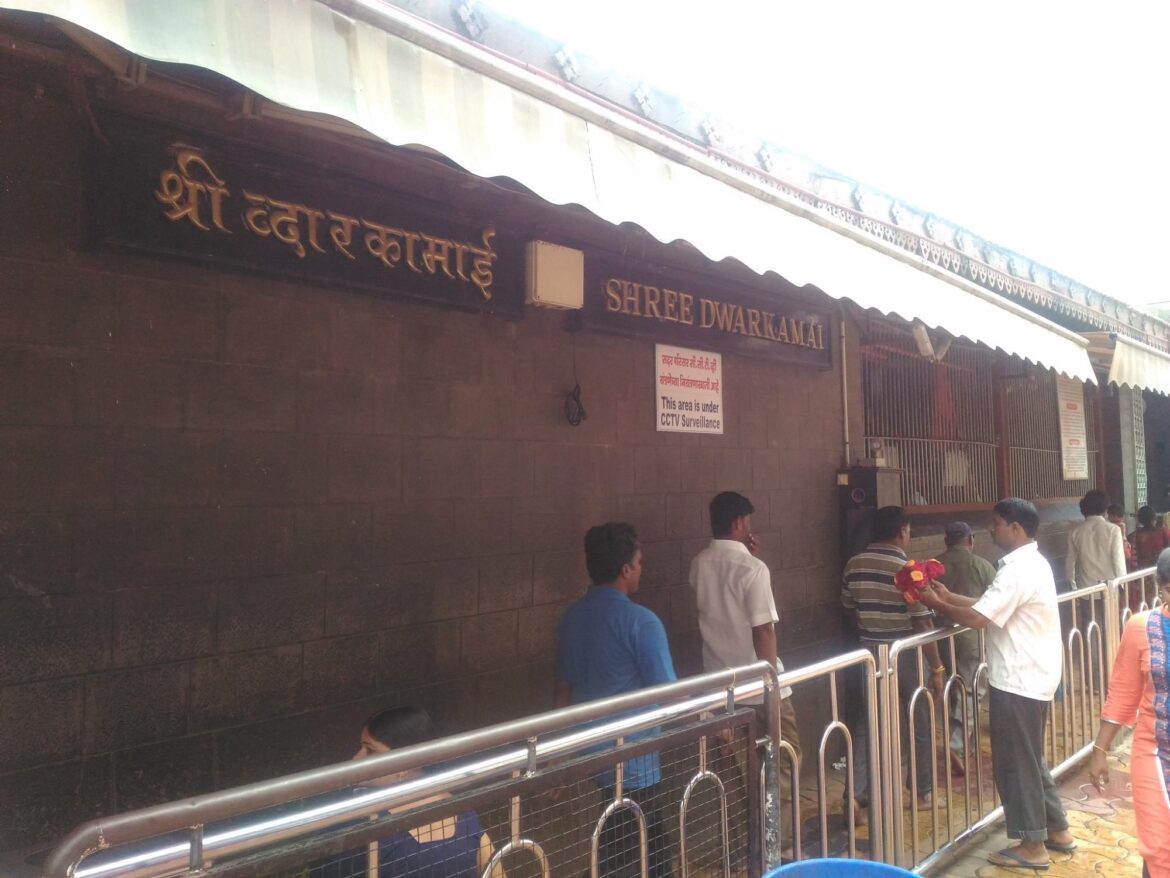
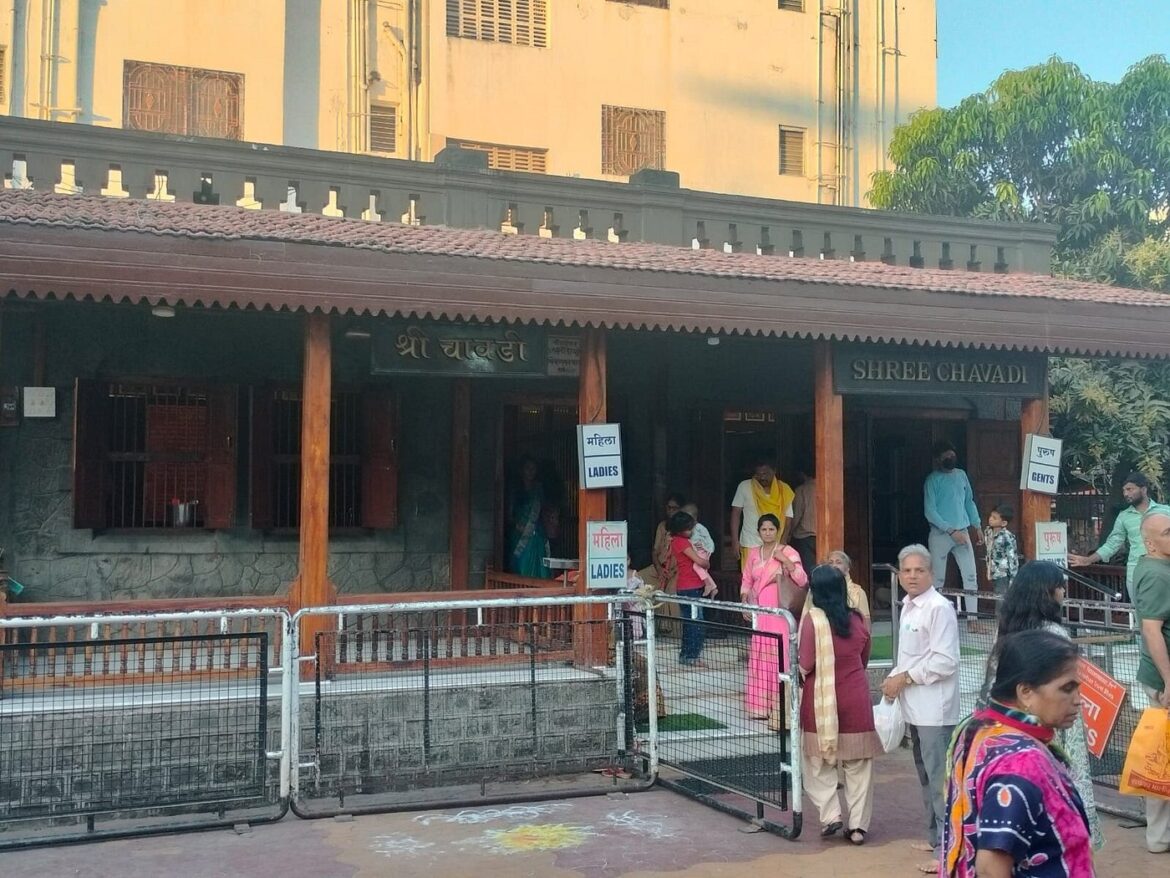
The temple complex is carefully planned to manage large crowds smoothly. Wide pathways, organized queues, and open spaces allow devotees to move comfortably, even during busy days. Nearby places such as Dwarkamai, where Sai Baba lived, Chavadi, and Gurusthan are closely connected to the temple and are important parts of the spiritual experience.
The significance of the Shirdi Sai Temple lies in what it represents. It stands for faith, patience, equality, and love for all. People from different religions visit the temple, as Sai Baba taught unity and kindness. Devotees believe that visiting the temple brings mental peace, strength, and hope during difficult times. For many, the temple is not just a place of worship, but a source of inner calm and spiritual guidance.
Darshan and Aarti at Sai Baba Temple Shirdi
Darshan: To see Sai Baba at Shirdi, devotees join the queues for darshan. There are free and paid darshan options, including special passes for senior citizens and VIPs. The temple is very crowded, so patience is required. Devotees are guided in an organized manner, and the path leads directly to the Samadhi of Sai Baba.
Aarti: There are four daily aartis at the temple:
Kakad Aarti – Early morning
Madhyan Aarti – Afternoon
Dhoop Aarti – Evening
Shej Aarti – Night
Attending at least one aarti is considered very auspicious. The aartis are full of devotion, chants of “Sai Ram”, and the fragrance of incense and lamps.
Rules and Guidelines:
Shoes/Slippers: All footwear must be left outside the temple; inside is barefoot only.
Mobile Phones: Not allowed inside the temple complex.
Behavior: Maintain silence and respect, no pushing or shouting.
Dress Code: Modest clothing is required; avoid shorts and sleeveless tops.
These rules help maintain the temple’s sanctity and ensure a peaceful experience for all devotees.
How to Reach Sai Baba Temple Shirdi
Shirdi is well-connected by road, rail, and air, making it easy for devotees to visit.
By Air:
The nearest airport is Shirdi Airport (SAG), which has regular flights from Mumbai, Pune, and Delhi.
From the airport, you can take a taxi or auto to reach the temple (around 15–20 minutes).
By Train:
The nearest railway station is Sainagar Shirdi Railway Station.
From the station, taxis and buses are available to the temple (around 3–4 km).
By Road:
Shirdi is connected by highways from Mumbai, Pune, Nashik, and Aurangabad.
Buses, taxis, and private cars are available for direct travel.
Once in Shirdi:
Most devotees walk to the temple if staying nearby.
Public transport, auto-rickshaws, and taxis are available for longer distances within Shirdi.
Tip: Staying close to the temple is recommended for early darshan or attending aartis without hassle.
Prasadalaya at Sai Baba Temple Shirdi
The Prasadalaya in Shirdi is where devotees receive the sacred prasad (blessed food) offered at Sai Baba Temple. It is a simple, clean, and well-organized place.


Free meals and prasad: Devotees are offered free lunch, dinner, and prasad like laddoos and other sweets.
Hygiene: The food is prepared and served in a very hygienic manner.
Seva (Service): Many volunteers serve the prasad as an act of seva, reflecting Sai Baba’s teachings of helping others.
Receiving prasad is considered very auspicious. Devotees often take it home to share with family and friends. It is not just food but a symbol of faith, blessings, and devotion.
Final Thoughts on Visiting Sai Baba Temple Shirdi
A visit to Sai Baba Temple Shirdi is more than just a trip—it is a journey of faith, patience, and inner peace. From the moment you arrive in Shirdi to the time you receive prasad and attend the aartis, every step reflects Sai Baba’s teachings of love, equality, and devotion.
Devotees leave with a sense of calm, hope, and spiritual strength. Many return again and again, not just for darshan, but for the experience that stays in the heart forever.
Sai Baba once said: “Have faith and patience.” Visiting Shirdi allows every devotee to understand these words deeply, and to carry that peace back into their daily lives.
Sai Ram.
FAQs – Sai Baba Temple Shirdi
Q1. What is the best time to visit Sai Baba Temple Shirdi?
The best time is October to March when the weather is pleasant. Thursdays and festival days are considered very auspicious.
Q2. Is online darshan booking available?
Yes, devotees can book online darshan and accommodation through the official Shirdi Sai Baba Sansthan Trust website.
Q3. Are mobile phones allowed inside the temple?
No, mobile phones and cameras are strictly prohibited inside the temple premises.
Q4. How long does darshan usually take?
Depending on the crowd, darshan can take 30 minutes to 3 hours. Paid darshan options are faster.
Q5. Are there any dress code rules for devotees?
Yes, modest clothing is required. Avoid shorts, sleeveless tops, and footwear inside the temple.
Q6. What is the significance of attending aarti?
Attending aarti is considered very auspicious. It fills devotees with spiritual energy, devotion, and peace.
Q7. Is accommodation available near the temple?
Yes, there are trust-run guesthouses, budget hotels, and private hotels near the temple for easy access.
If you are planning more spiritual or travel journeys in India and abroad, don’t miss our detailed guides on Tirupati Balaji Temple AND Thailand Travel