
Sikhism is a faith born from truth, sacrifice, equality, and fearless devotion to justice. Established in the 15th century by Guru Nanak Dev Ji, Sikhism evolved through the teachings of ten Gurus, finally finding eternal guidance in the Guru Granth Sahib. At the heart of this living faith stand the Five Takhts, the highest seats of authority in Sikhism.
The Five Takhts are not merely historical monuments or religious sites. They are centers of spiritual power, moral authority, community leadership, and collective conscience of the Sikh Panth. Spread across different regions of India, these Takhts symbolize how Sikhism remains united despite geographical distances — truly representing “Five Takhts, One Faith.”
What Is a Takht in Sikhism?
The word “Takht” means throne or seat of authority. In Sikhism, a Takht is a place from where important religious, spiritual, and social decisions are made.
The Five Takhts were established by the Sikh Gurus themselves or evolved directly from events linked to their lives. Together, they function as the supreme spiritual and administrative pillars of the Sikh Panth.
1. Akal Takht Sahib – Amritsar, Punjab (The Throne of the Timeless One)
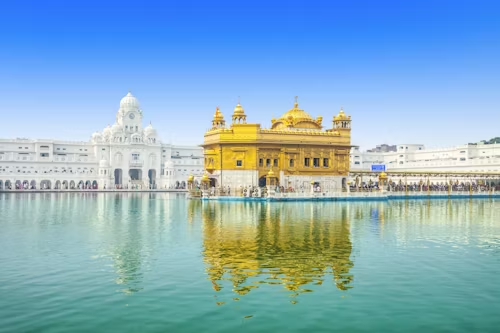
Location: Amritsar, Punjab
Founded: 1606 by Guru Hargobind Sahib Ji
Akal Takht Sahib is the highest authority in Sikhism. Situated directly opposite the Golden Temple (Harmandir Sahib), it stands as a powerful symbol of justice and sovereignty.
Historical Importance
Guru Hargobind Sahib Ji established Akal Takht to assert that Sikhs must be spiritually enlightened yet socially and politically aware. From here, the Guru addressed matters of governance, defense, and justice.
Spiritual Significance
Supreme seat of Sikh authority
Issues Hukamnamas binding on Sikhs worldwide
Represents resistance against oppression
Akal Takht embodies the Sikh belief that faith and action must walk together.
2. Takht Sri Keshgarh Sahib – Anandpur Sahib, Punjab
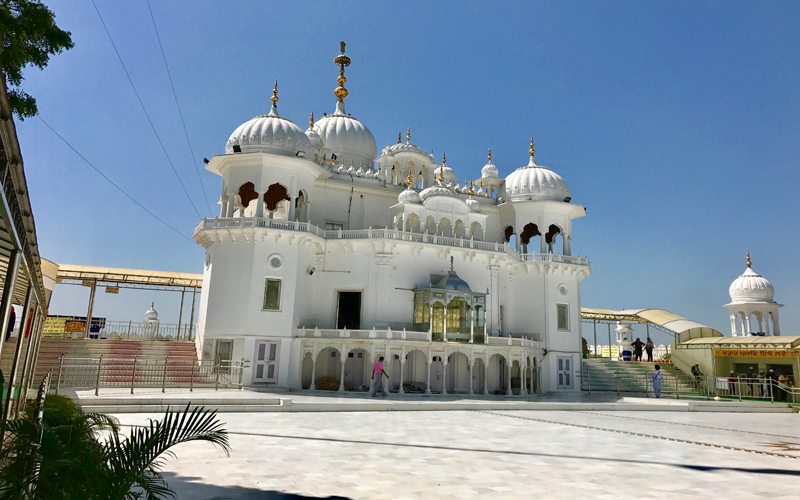
Location: Anandpur Sahib, Punjab
Established: 1699
Takht Sri Keshgarh Sahib marks one of the most defining moments in Sikh history — the birth of the Khalsa Panth.
Vaisakhi of 1699
On Vaisakhi, Guru Gobind Singh Ji called upon Sikhs to offer their heads. Five devoted Sikhs responded, later known as the Panj Pyare. From this event emerged:
The Khalsa identity
The Five Ks
A new code of courage, equality, and discipline
Symbolism
This Takht represents:
Fearlessness
Brotherhood
Moral strength
It transformed Sikhs into saint-soldiers, committed to righteousness.
3. Takht Sri Patna Sahib – Patna, Bihar
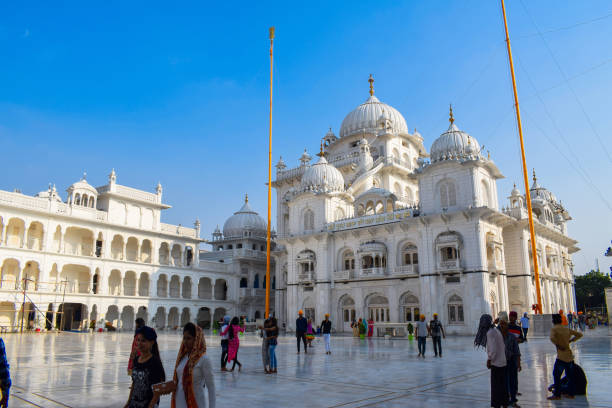
Location: Patna, Bihar
Year of Birth: 1666
Takht Sri Patna Sahib commemorates the birthplace of Guru Gobind Singh Ji, the tenth Guru of Sikhism.
Importance
Though Sikhism originated in Punjab, Patna Sahib shows its pan-Indian presence. Guru Gobind Singh Ji spent his early childhood here, absorbing spiritual wisdom that later shaped Sikh destiny.
Sacred Relics
The Takht preserves:
Weapons used by the Guru
Manuscripts and writings
Personal belongings
Patna Sahib symbolizes beginnings, divine destiny, and youthful spiritual power.
4. Takht Sri Hazur Sahib – Nanded, Maharashtra
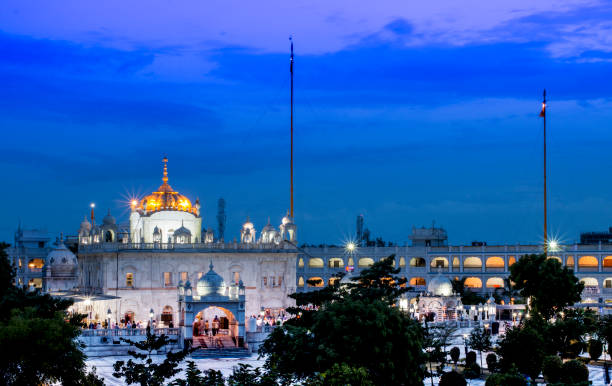
Location: Nanded, Maharashtra
Year: 1708
Takht Sri Hazur Sahib marks the place where Guru Gobind Singh Ji ended the line of human Gurus and declared the Guru Granth Sahib as the eternal Guru.
Historical Turning Point
This moment ensured:
Continuity of Sikh teachings
Elimination of human authority
Spiritual Meaning
Hazur Sahib represents:
Completion of the Guru’s mission
Eternal guidance
Faith beyond time
Even today, Hazur Sahib remains one of the most sacred pilgrimage sites for Sikhs.
5. Takht Sri Damdama Sahib – Talwandi Sabo, Punjab
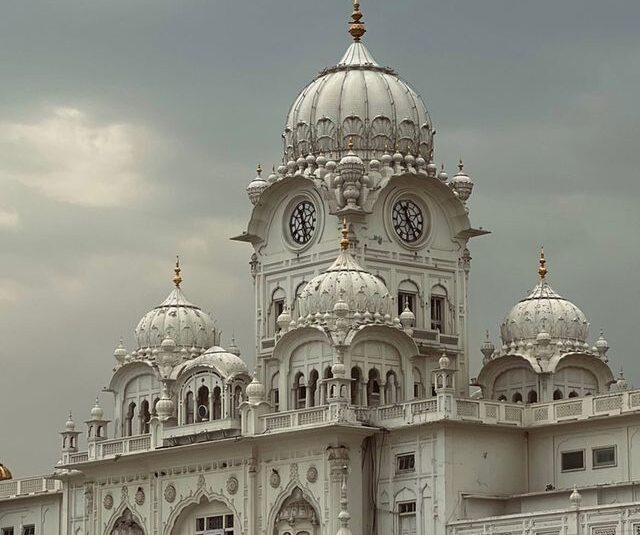
Location: Talwandi Sabo, Punjab
Takht Sri Damdama Sahib holds immense intellectual and spiritual significance. Here, Guru Gobind Singh Ji dictated the final version of the Guru Granth Sahib to Bhai Mani Singh.
Importance
Authentication of Sikh scripture
Center for learning and contemplation
Known as “Guru Ki Kashi”
Damdama Sahib represents wisdom, reflection, and the power of knowledge.
Spiritual Symbolism of the Five Takhts
| Takht | Core Symbol |
|---|---|
| Akal Takht | Justice & Sovereignty |
| Keshgarh Sahib | Courage & Identity |
| Patna Sahib | Birth & Destiny |
| Hazur Sahib | Completion & Eternity |
| Damdama Sahib | Wisdom & Knowledge |
Together, they uphold Sikhism’s foundation.
Why the Five Takhts Matter Today
The Five Takhts teach Sikhs that:
Faith demands action
Equality is sacred
Knowledge empowers
Community strengthens
Truth is eternal
They are not only places of worship but principles for living.
Frequently Asked Questions (FAQ)
1. What are the Five Takhts in Sikhism?
The Five Takhts are the highest seats of authority in Sikhism. They guide the Sikh community in spiritual, religious, and social matters and are deeply connected to the lives of the Sikh Gurus.
2. Why are the Five Takhts important in Sikhism?
The Five Takhts preserve Sikh unity, uphold justice, and protect Sikh traditions. They act as the collective conscience of the Sikh Panth and ensure that Sikh principles are followed worldwide.
3. Which is the highest Takht in Sikhism?
Akal Takht Sahib, located in Amritsar, is the highest and supreme authority among the Five Takhts.
4. Who established the Akal Takht?
Akal Takht Sahib was established in 1606 by Guru Hargobind Sahib Ji, the sixth Sikh Guru.
5. Where was the Khalsa Panth founded?
The Khalsa Panth was founded at Takht Sri Keshgarh Sahib in Anandpur Sahib during the historic Vaisakhi of 1699 by Guru Gobind Singh Ji.
6. Which Takht is associated with the birth of Guru Gobind Singh Ji?
Takht Sri Patna Sahib, located in Patna, Bihar, marks the birthplace of Guru Gobind Singh Ji.
7. Which Takht marks the end of human Gurus in Sikhism?
Takht Sri Hazur Sahib in Nanded, Maharashtra, marks the place where Guru Gobind Singh Ji declared the Guru Granth Sahib as the eternal Guru of Sikhs.
8. Why is Takht Sri Damdama Sahib important?
Takht Sri Damdama Sahib is where Guru Gobind Singh Ji finalized and authenticated the Guru Granth Sahib, making it a major center of Sikh learning and scripture.
9. Are the Five Takhts only religious sites?
No. Apart from being sacred places, the Five Takhts also function as centers for decision-making, moral guidance, and community leadership in Sikhism.
10. Do all Sikhs have to follow decisions made by the Takhts?
Yes, decisions (Hukamnamas) issued collectively, especially from Akal Takht Sahib, are considered binding for the global Sikh community.
For complete details about Tirupati Balaji Temple, its history, darshan process, and travel guide, visit our detailed article here
