Jagannath Puri Temple Complete Guide for Visitors and Devotees
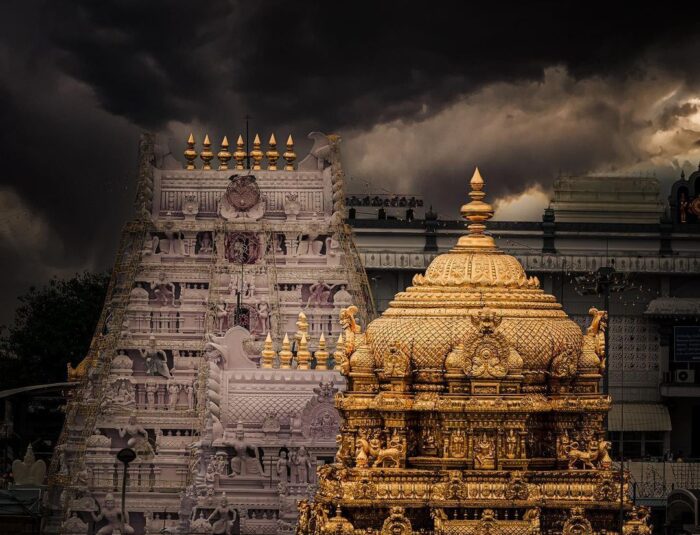
Jagannath Puri Temple is one of the most famous and sacred temples in India. Located in Puri, Odisha, this temple is dedicated to Lord Jagannath, a form of Lord Krishna. Every year, millions of devotees and tourists visit this holy place to seek blessings and experience its spiritual atmosphere.
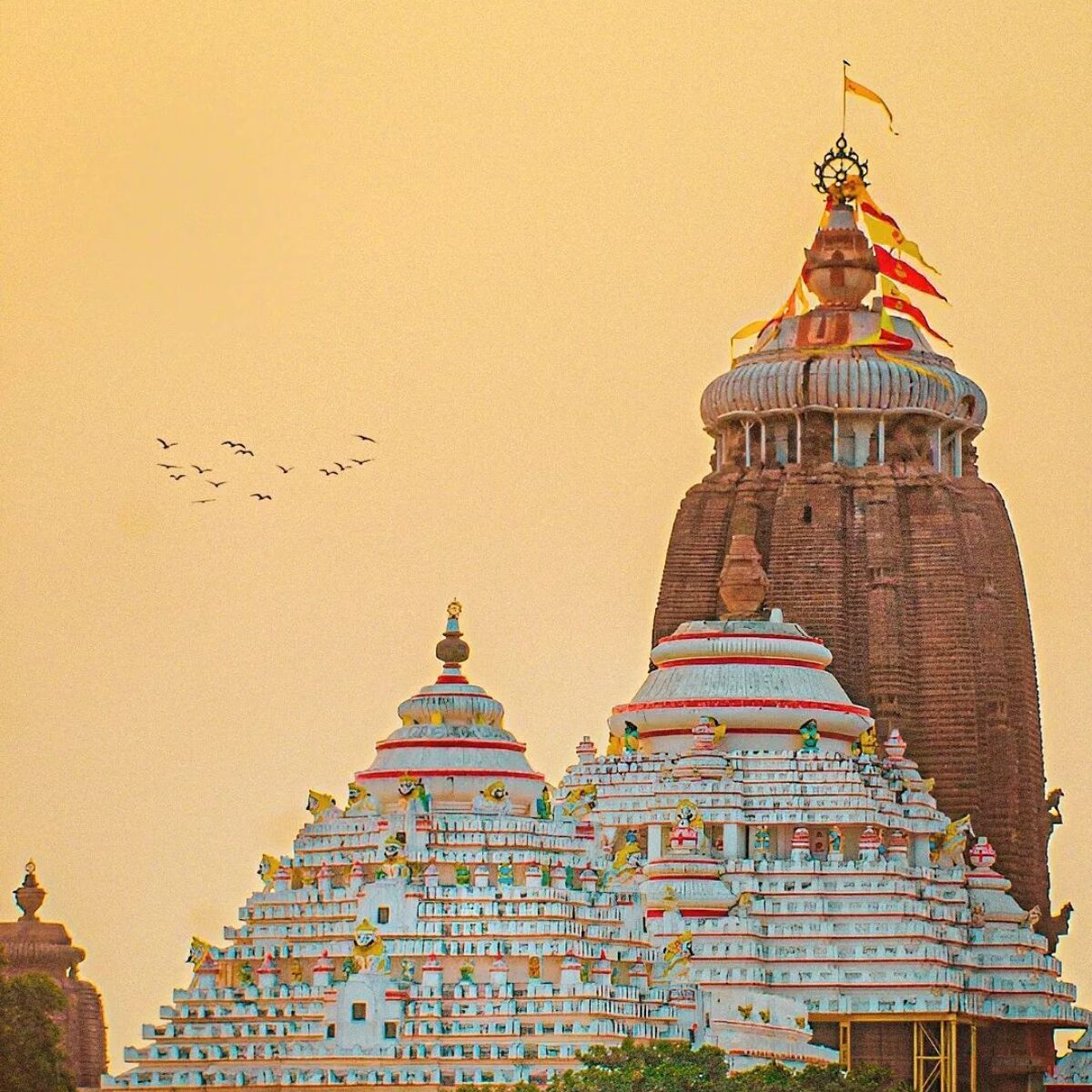
Jagannath Puri is also one of the Char Dham pilgrimage sites, making it extremely important in Hinduism. Apart from religious importance, the temple is famous for its architecture, traditions, and the world-famous Rath Yatra festival.
In this complete guide, you will learn about the temple’s history, darshan timings, rituals, travel tips, and important information that every visitor and devotee should know.
History of Jagannath Temple
The Jagannath Temple in Puri, Odisha, is one of the oldest and most sacred temples in India. Its history dates back many centuries and is deeply connected with Hindu traditions, legends, and royal patronage.
According to historical records, the present temple was built in the 12th century by King Anantavarman Chodaganga Deva of the Eastern Ganga dynasty. Later, the construction was completed by his successor, King Ananga Bhima Deva. The temple was built to worship Lord Jagannath, believed to be a form of Lord Vishnu or Krishna, along with his brother Balabhadra and sister Subhadra.
However, the origin of Lord Jagannath worship is believed to be even older than the temple itself. Ancient legends say that a tribal king named Visvavasu used to worship a form of Lord Vishnu known as Neela Madhava in a forest. Later, King Indradyumna of Malwa learned about this deity and decided to build a grand temple for Lord Jagannath in Puri. According to mythology, Lord Vishwakarma, the divine architect, carved the idols of Jagannath, Balabhadra, and Subhadra in a unique wooden form, which is still a special tradition followed in the temple today.
Over the centuries, the temple survived several invasions and attacks, especially during the medieval period. During these times, the idols were often moved to safe locations to protect them. Despite these challenges, the temple continued to remain an important center of devotion and pilgrimage.
One of the most unique traditions of Jagannath Temple is the Nabakalebara ritual, which takes place every 12 to 19 years. During this ceremony, the wooden idols of the deities are replaced with newly carved ones, following ancient rituals and traditions that have been preserved for generations.
Today, Jagannath Temple is not only a religious center but also a symbol of India’s rich cultural and spiritual heritage. Millions of devotees visit every year, especially during the famous Rath Yatra festival, which has been celebrated for centuries and attracts pilgrims from all over the world.
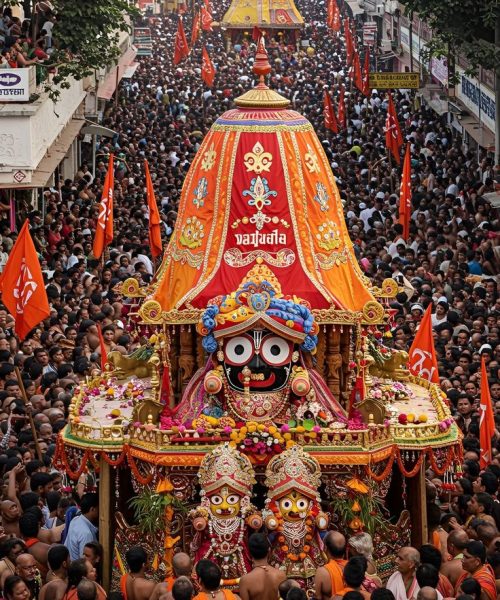
Rath Yatra is the most important and grand festival of the Jagannath Temple, celebrated every year in June or July. During this festival, Lord Jagannath, along with Balabhadra and Subhadra, is taken out of the temple and placed on large, beautifully decorated wooden chariots. Thousands of devotees pull these chariots from the Jagannath Temple to the Gundicha Temple, which is about 3 km away.
This festival is special because devotees get a rare opportunity to see the deities closely, and it is believed that pulling the chariot brings blessings and spiritual merit. Rath Yatra attracts millions of devotees and tourists every year and is considered one of the largest and most famous religious festivals in India.
Hav tar mi Darshan Timings and Visitor Tips section pan banvun deu ka? (blog sathi useful part aahe)
Best Time to Visit Jagannath Puri
Rath Yatra is the most important and grand festival of the Jagannath Temple, celebrated every year in June or July. During this festival, Lord Jagannath, along with Balabhadra and Subhadra, is taken out of the temple and placed on large, beautifully decorated wooden chariots. Thousands of devotees pull these chariots from the Jagannath Temple to the Gundicha Temple, which is about 3 km away.
This festival is special because devotees get a rare opportunity to see the deities closely, and it is believed that pulling the chariot brings blessings and spiritual merit. Rath Yatra attracts millions of devotees and tourists every year and is considered one of the largest and most famous religious festivals in India.
Hav tar mi Darshan Timings and Visitor Tips section pan banvun deu ka? (blog sathi useful part aahe)
How to Reach Jagannath Puri
Puri is well connected by rail, road, and air.
By Air:
The nearest airport is Biju Patnaik International Airport in Bhubaneswar, about 60 km away.
By Train:
Puri Railway Station is connected to major cities like Kolkata, Delhi, and Mumbai.
By Road:
Regular buses and taxis are available from Bhubaneswar and nearby cities.
Travel Tips for Visitors
Here are some useful tips:
Visit early morning to avoid crowds.
Follow temple dress code and rules.
Keep your belongings safe in crowded areas.
Try Mahaprasad from the temple kitchen.
Explore nearby places like Konark Sun Temple and Puri Beach.
Planning your trip properly will help you enjoy a smooth and peaceful visit.
Places to Visit Near Jagannath Puri
When visiting Puri, you can also explore:
Konark Sun Temple
Puri Beach
Chilika Lake
Gundicha Temple
These places add more value to your trip and offer cultural and natural beauty.
Conclusion
Jagannath Puri Temple is not just a religious site but a symbol of faith, tradition, and culture. From its ancient history and grand festivals to its unique architecture and spiritual atmosphere, the temple offers a truly unforgettable experience.
Whether you are a devotee seeking blessings or a traveler exploring India’s heritage, Jagannath Puri is a destination worth visiting.