Lookseverything
keep your memories alive
  • Home
  • Blog
  • About Us
  • Contact Us
  • Privacy Policy
  • Disclaimer
InformationUpcoming

GTA 6 Release Date, New Map, Characters, Gameplay & Everything You Need to Know

by lookseverything.com January 20, 2026
written by lookseverything.com

GTA 6 is coming Learn everything we know so far about the release date, map, story, gameplay, characters, leaks, and new features.

Rockstar Games

The Ultimate GTA 6 Guide

GTA 6 is coming, and fans are buzzing! Explore the newest map, meet new characters, and dive into gameplay mechanics like never before. Get insights on release dates, missions, and hidden Easter eggs in Rockstar’s biggest open-world game yet. Stay ahead and get ready to play!

Watch Trailer

People are not just waiting for GTA 6. They are counting years, analyzing trailers frame by frame, decoding leaks, and imagining how Rockstar Games will once again redefine open-world gaming. From casual players to hardcore fans, from YouTubers to tech analysts, everyone wants answers.

  1. When will GTA 6 release?
  2. Where will it be set?
  3. How big will the map be?
  4. Who are the main characters?
  5. What will gameplay look like?
  6. And most importantly, will GTA 6 really be worth the wait?

This article answers all of that  not through hype alone, but through carefully explained details, realistic expectations, and everything that is currently known about GTA 6.

GTA 6 Release

As of the latest official info, Grand Theft Auto VI (GTA 6) is scheduled to be released on:

📅 November 19, 2026

This date was confirmed by Rockstar Games after they delayed the earlier planned release (which was previously set for May 26, 2026) in order to give the game more time for polishing and development.

So the current expected launch date is:

✅ November 19, 2026

This long wait is not a weakness it is the reason expectations are so high.

GTA 6 Characters: A New Era of Storytelling

tumblr_4bf00004c606ca23c62e6b771ed3f0bd_3898dccb_2048
tumblr_b9a4ee66299eba8c7240bcfe6c771409_3b1cd59b_2048
tumblr_08c29a4f63df2992491878909ca60f53_666c32a6_2048
tumblr_0964d4aa771f752415ee8782fcb6ac4f_e7e9992f_2048
1
tumblr_6fce19936963b24c75cd837ac3385e9a_19a5bcc4_2048
tumblr_2146af6700d7308f26fbfb116a26bbdb_f6c1c2e1_2048
tumblr_021e2f25f36fc835879cbd40b33af013_c2b4cd09_2048
tumblr_eae0c82acec5af8c02950b2a07e7cee2_7fb51428_2048
tumblr_62455d861eb202e0ac8a0e1c21285907_9aa3d7ee_2048
tumblr_50ef07f6c27743cd56e59417c9092083_7c41f8a4_2048

One of the biggest shifts in GTA 6 is its approach to characters. Rockstar is known for strong storytelling, but GTA 6 is expected to take this even further.

For the first time in the main GTA series, the story focuses on a female protagonist alongside a male counterpart. This dual-character system opens the door to deeper emotional storytelling, relationship dynamics, and different perspectives within the criminal world.

The characters are not just criminals doing missions. They are written as human beings with motivations, flaws, relationships, and consequences.

This approach aligns with Rockstar’s recent storytelling direction, where characters feel grounded rather than cartoonish.

How Big Will It Really Be?

GTA 6 Map Size

Map size is another topic that generates massive interest. Every new GTA game has pushed boundaries, and GTA 6 is expected to do the same.
While raw size matters, Rockstar focuses more on density and realism rather than empty land. GTA 6’s map is expected to feel more detailed, interactive, and believable than simply being larger for the sake of numbers.
Buildings are expected to have more accessible interiors. NPC routines are expected to feel natural. Traffic systems, crowds, and environmental details will likely react dynamically to time, weather, and player actions.

Instead of a map that feels like a game level, GTA 6 aims to feel like a real place.

Rockstar’s biggest successes

GTA Online What to Expect

GTA Online has been one of Rockstar’s biggest successes. GTA 6 is expected to continue this trend but in a much more advanced form.

The online experience is expected to feel more integrated with the main world. Instead of separate systems, the online mode may evolve dynamically with updates, events, and new content over time.

This approach ensures that GTA 6 is not just a game you play once, but a platform that grows for years.


GTA 6 Gameplay:

The Biggest Evolution Yet

Gameplay is where GTA 6 is expected to truly shine. Rockstar has had more time, better hardware, and advanced technology to work with than ever before.

Movement, shooting, driving, and interaction systems are expected to feel smoother and more realistic. Animations will likely be more fluid, making characters feel less robotic and more human.

NPC behavior is expected to be smarter. Characters in the world will react realistically to crime, danger, and player actions. Police systems are expected to be more strategic rather than simply aggressive.

GTA 6 System Requirements

What Kind of PC Will You Need?

While official system requirements are not yet finalized, GTA 6 is clearly a demanding game.

Players should expect the need for a modern processor, strong GPU, and sufficient RAM to experience the game at its best. Rockstar usually optimizes their games well, but GTA 6 is designed to take advantage of next-generation hardware.

This is one reason many players are already planning PC upgrades in anticipation.

Why GTA 6 Is the Most Anticipated Game Ever

To understand the hype around GTA 6, you first need to understand the impact of GTA 5. Released in 2013, GTA 5 became one of the most successful entertainment products of all time not just games, but movies, music, everything combined.

More than ten years later, GTA 5 is still being played daily. GTA Online continues to generate massive revenue, and new players keep discovering the game even today. This alone shows how powerful the GTA brand is.
GTA 6 is not just expected to be a new game. It is expected to be a cultural event.

GTA 6 Story: Crime, Power, and Consequences

While Rockstar has not officially revealed the full story, the general theme of GTA 6 revolves around crime in the modern world.

Unlike older GTA games that focused on exaggerated satire, GTA 6 is expected to blend realism with social commentary. Themes like social media, modern crime networks, surveillance, and digital influence are expected to play a role in the narrative.

GTA 6 is not just about becoming powerful. It is about understanding what power costs.

GTA 6 Setting: Return to Vice City and Beyond

One of the most exciting confirmations about GTA 6 is its setting. The game is widely known to be set in a modern-day version of Vice City, Rockstar’s fictional version of Miami.

Vice City is one of the most iconic locations in GTA history. Neon lights, beaches, nightlife, crime, luxury, and chaos it is the perfect playground for a GTA game.

However, GTA 6 is not limited to just a single city.

The map is expected to be far larger and more dynamic than any previous GTA title. Instead of one static city, GTA 6 is designed to feel like a living region, with multiple environments, urban areas, highways, rural zones, and changing locations.

This means players won’t just explore a city. They will experience an entire world that feels alive.

The GTA 6 Experience Awaits

After years of anticipation, endless rumors, and countless fan theories, the world is finally ready to step back into Vice City. GTA 6 promises a universe more immersive, dynamic, and alive than ever before, where every choice carries weight and every corner hides a story. Whether you are a veteran fan or a newcomer, the adventure is set to challenge your skills, test your strategies, and thrill your senses. Get ready to explore, conquer, and experience gaming at a level that only Rockstar can deliver. The city is calling are you ready to answer?

The hack was never successful, and for a detailed breakdown of what actually happened, check out this related blog
0 comments
0 FacebookTwitterPinterestEmail
Religion

Five Takhts One Faith The Pillars That Hold Sikhism Strong

by lookseverything.com January 16, 2026
written by lookseverything.com

Sikhism is a faith born from truth, sacrifice, equality, and fearless devotion to justice. Established in the 15th century by Guru Nanak Dev Ji, Sikhism evolved through the teachings of ten Gurus, finally finding eternal guidance in the Guru Granth Sahib. At the heart of this living faith stand the Five Takhts, the highest seats of authority in Sikhism.

The Five Takhts are not merely historical monuments or religious sites. They are centers of spiritual power, moral authority, community leadership, and collective conscience of the Sikh Panth. Spread across different regions of India, these Takhts symbolize how Sikhism remains united despite geographical distances — truly representing “Five Takhts, One Faith.”

What Is a Takht in Sikhism?

The word “Takht” means throne or seat of authority. In Sikhism, a Takht is a place from where important religious, spiritual, and social decisions are made.

The Five Takhts were established by the Sikh Gurus themselves or evolved directly from events linked to their lives. Together, they function as the supreme spiritual and administrative pillars of the Sikh Panth.

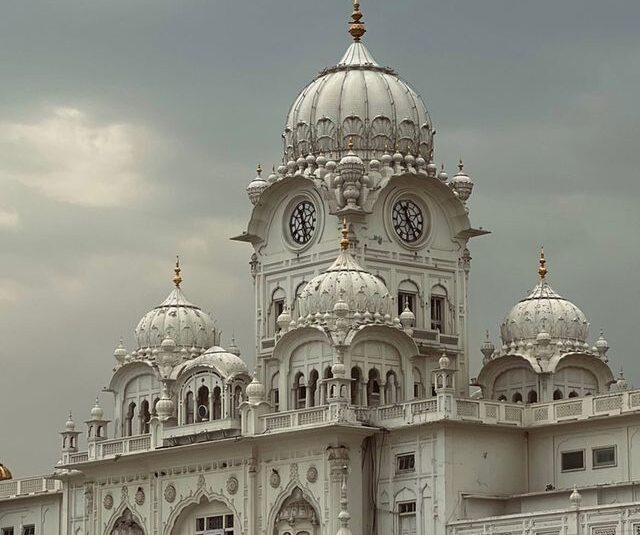
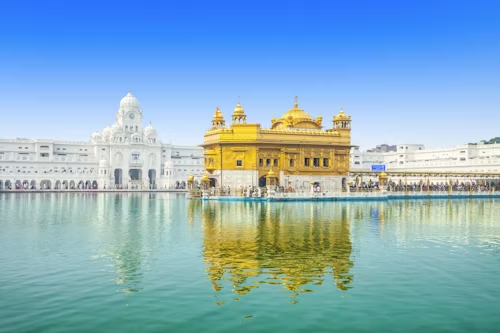
1. Akal Takht Sahib – Amritsar, Punjab (The Throne of the Timeless One)

Akal Takht Sahib

Location: Amritsar, Punjab
Founded: 1606 by Guru Hargobind Sahib Ji

Akal Takht Sahib is the highest authority in Sikhism. Situated directly opposite the Golden Temple (Harmandir Sahib), it stands as a powerful symbol of justice and sovereignty.

Historical Importance

Guru Hargobind Sahib Ji established Akal Takht to assert that Sikhs must be spiritually enlightened yet socially and politically aware. From here, the Guru addressed matters of governance, defense, and justice.

Spiritual Significance

  • Supreme seat of Sikh authority

  • Issues Hukamnamas binding on Sikhs worldwide

  • Represents resistance against oppression

Akal Takht embodies the Sikh belief that faith and action must walk together.

2. Takht Sri Keshgarh Sahib – Anandpur Sahib, Punjab

Takht Sri Keshgarh Sahib

Location: Anandpur Sahib, Punjab
Established: 1699

Takht Sri Keshgarh Sahib marks one of the most defining moments in Sikh history — the birth of the Khalsa Panth.

Vaisakhi of 1699

On Vaisakhi, Guru Gobind Singh Ji called upon Sikhs to offer their heads. Five devoted Sikhs responded, later known as the Panj Pyare. From this event emerged:

  • The Khalsa identity

  • The Five Ks

  • A new code of courage, equality, and discipline

Symbolism

This Takht represents:

  • Fearlessness

  • Brotherhood

  • Moral strength

It transformed Sikhs into saint-soldiers, committed to righteousness.

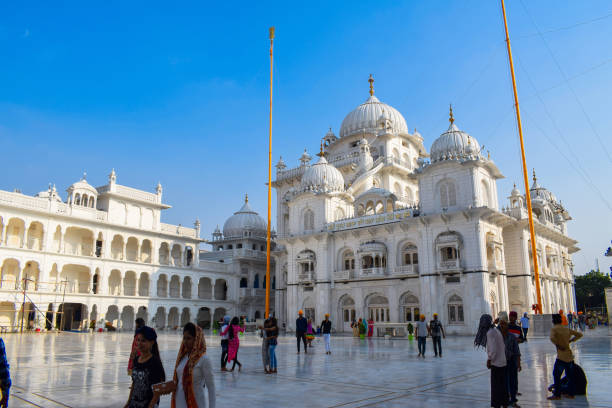
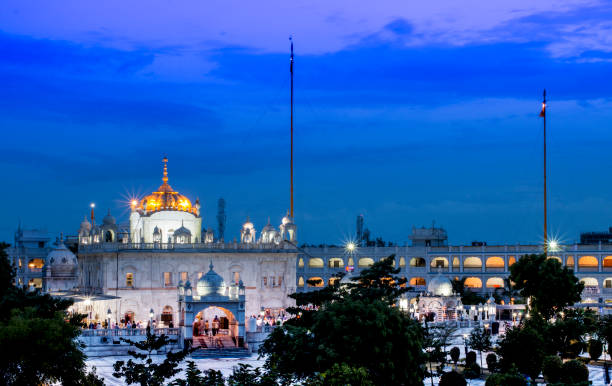
3. Takht Sri Patna Sahib – Patna, Bihar

Location: Patna, Bihar
Year of Birth: 1666

Takht Sri Patna Sahib commemorates the birthplace of Guru Gobind Singh Ji, the tenth Guru of Sikhism.

Importance

Though Sikhism originated in Punjab, Patna Sahib shows its pan-Indian presence. Guru Gobind Singh Ji spent his early childhood here, absorbing spiritual wisdom that later shaped Sikh destiny.

Sacred Relics

The Takht preserves:

  • Weapons used by the Guru

  • Manuscripts and writings

  • Personal belongings

Patna Sahib symbolizes beginnings, divine destiny, and youthful spiritual power.

4. Takht Sri Hazur Sahib – Nanded, Maharashtra

Location: Nanded, Maharashtra
Year: 1708

Takht Sri Hazur Sahib marks the place where Guru Gobind Singh Ji ended the line of human Gurus and declared the Guru Granth Sahib as the eternal Guru.

Historical Turning Point

This moment ensured:

  • Continuity of Sikh teachings

  • Elimination of human authority

Spiritual Meaning

Hazur Sahib represents:

  • Completion of the Guru’s mission

  • Eternal guidance

  • Faith beyond time

Even today, Hazur Sahib remains one of the most sacred pilgrimage sites for Sikhs.

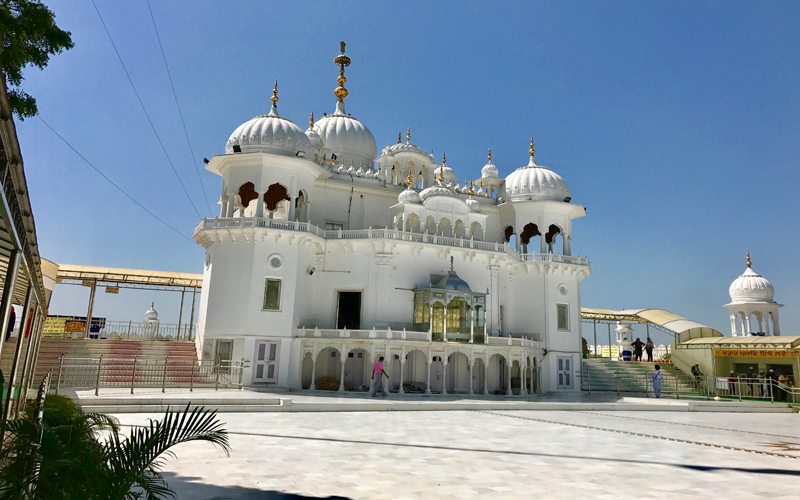
5. Takht Sri Damdama Sahib – Talwandi Sabo, Punjab

45e43f9d4f568a69c7a17310344088db

Location: Talwandi Sabo, Punjab

Takht Sri Damdama Sahib holds immense intellectual and spiritual significance. Here, Guru Gobind Singh Ji dictated the final version of the Guru Granth Sahib to Bhai Mani Singh.

Importance

  • Authentication of Sikh scripture

  • Center for learning and contemplation

  • Known as “Guru Ki Kashi”

Damdama Sahib represents wisdom, reflection, and the power of knowledge.

Spiritual Symbolism of the Five Takhts

TakhtCore Symbol
Akal TakhtJustice & Sovereignty
Keshgarh SahibCourage & Identity
Patna SahibBirth & Destiny
Hazur SahibCompletion & Eternity
Damdama SahibWisdom & Knowledge

Together, they uphold Sikhism’s foundation.

Why the Five Takhts Matter Today

The Five Takhts teach Sikhs that:

  • Faith demands action

  • Equality is sacred

  • Knowledge empowers

  • Community strengthens

  • Truth is eternal

They are not only places of worship but principles for living.

Frequently Asked Questions (FAQ)

1. What are the Five Takhts in Sikhism?

The Five Takhts are the highest seats of authority in Sikhism. They guide the Sikh community in spiritual, religious, and social matters and are deeply connected to the lives of the Sikh Gurus.


2. Why are the Five Takhts important in Sikhism?

The Five Takhts preserve Sikh unity, uphold justice, and protect Sikh traditions. They act as the collective conscience of the Sikh Panth and ensure that Sikh principles are followed worldwide.


3. Which is the highest Takht in Sikhism?

Akal Takht Sahib, located in Amritsar, is the highest and supreme authority among the Five Takhts.


4. Who established the Akal Takht?

Akal Takht Sahib was established in 1606 by Guru Hargobind Sahib Ji, the sixth Sikh Guru.


5. Where was the Khalsa Panth founded?

The Khalsa Panth was founded at Takht Sri Keshgarh Sahib in Anandpur Sahib during the historic Vaisakhi of 1699 by Guru Gobind Singh Ji.


6. Which Takht is associated with the birth of Guru Gobind Singh Ji?

Takht Sri Patna Sahib, located in Patna, Bihar, marks the birthplace of Guru Gobind Singh Ji.


7. Which Takht marks the end of human Gurus in Sikhism?

Takht Sri Hazur Sahib in Nanded, Maharashtra, marks the place where Guru Gobind Singh Ji declared the Guru Granth Sahib as the eternal Guru of Sikhs.


8. Why is Takht Sri Damdama Sahib important?

Takht Sri Damdama Sahib is where Guru Gobind Singh Ji finalized and authenticated the Guru Granth Sahib, making it a major center of Sikh learning and scripture.


9. Are the Five Takhts only religious sites?

No. Apart from being sacred places, the Five Takhts also function as centers for decision-making, moral guidance, and community leadership in Sikhism.


10. Do all Sikhs have to follow decisions made by the Takhts?

Yes, decisions (Hukamnamas) issued collectively, especially from Akal Takht Sahib, are considered binding for the global Sikh community.

For complete details about Tirupati Balaji Temple, its history, darshan process, and travel guide, visit our detailed article here

Click here
0 comments
0 FacebookTwitterPinterestEmail
Information

Badminton Tournament India Open 2026 Everything You Need to Know

by lookseverything.com January 15, 2026
written by lookseverything.com

The India Open Badminton Tournament is one of the most prestigious badminton tournaments in the world and holds a special place in the hearts of badminton fans in India. Every year, this tournament attracts world-class players, promising thrilling matches and unforgettable moments. The January 2026 edition of the India Open is set to take place in New Delhi, India’s bustling capital, and it is expected to be bigger and more exciting than ever. In this comprehensive guide, we will cover everything you need to know about the India Open 2026, including dates, venue, players, match schedules, ticketing, travel and stay options, and how to watch the event live.

f6e22114d85c12cea22e1aecfad82420
Badminton Tournament

Badminton Tournaments 🇮🇳

The India Open is part of the BWF World Tour Super 500 series, which makes it a significant event in the international badminton calendar. Being a Super 500 event, the tournament offers substantial ranking points, which are crucial for players aiming for the Olympics, World Championships, and other top-tier competitions. In the January 2026 edition, matches will be held across all categories: Men’s Singles, Women’s Singles, Men’s Doubles, Women’s Doubles, and Mixed Doubles. This tournament is not just about competition; it is a celebration of badminton, drawing fans from across India and around the world.

Tournament Details

The January 2026 India Open will take place from January 20 to January 27, 2026, at the K. D. Jadhav Indoor Hall in New Delhi. This venue is famous for hosting international sporting events and offers world-class facilities for both players and spectators. The tournament features some of the best players globally, competing for a total prize pool of $400,000, making it one of the most lucrative events on the BWF calendar. Fans can expect intense competition, as the tournament serves as a key ranking event and a testing ground for top players ahead of other international tournaments.

Top Players to Watch

One of the most exciting aspects of the India Open is seeing some of the world’s best badminton players compete on Indian soil. In the January 2026 edition, several top-ranked athletes are expected to participate.

Men’s Singles: Players like Viktor Axelsen (Denmark), Kidambi Srikanth (India), and Lee Zii Jia (Malaysia) are likely to be the top contenders. Viktor Axelsen, a former World Champion and Olympic gold medalist, is always a crowd favorite due to his powerful game and consistency. Kidambi Srikanth, India’s own star, will be aiming to impress the home crowd and secure crucial ranking points.

Women’s Singles: India will cheer for PV Sindhu, who has won multiple medals in the Olympics and World Championships. Other notable players include Carolina Marin (Spain), the Olympic gold medalist, and Akane Yamaguchi (Japan), a former World No. 1. These players are known for their aggressive gameplay, strategic shot-making, and the ability to deliver match-winning performances under pressure.

Men’s Doubles: India’s top pair, Satwiksairaj Rankireddy & Chirag Shetty, will be key players to watch. Their speed, coordination, and tactical brilliance make them one of the most formidable pairs in the world. Other notable pairs include Mohammad Ahsan & Hendra Setiawan (Indonesia), known for their experience and sharp net play.

Women’s Doubles: The competition is expected to be intense with pairs like Greysia Polii & Apriyani Rahayu (Indonesia) and India’s own Ashwini Ponnappa & N. Sikki Reddy. These doubles teams are known for their quick reflexes and seamless partnership on the court.

Mixed Doubles: India has emerging talents in this category, and they will face stiff competition from top international pairs, making this category unpredictable and exciting for fans.

Match Schedule

The India Open follows a structured tournament format, starting with qualifiers and leading up to the finals. Here’s a breakdown of the schedule:

  • Qualifiers: January 20 – 21, 2026

  • Round of 32: January 22 – 23, 2026

  • Round of 16: January 24, 2026

  • Quarterfinals: January 25, 2026

  • Semifinals: January 26, 2026

  • Finals: January 27, 2026

The tournament is designed to provide maximum excitement each day, with matches often featuring nail-biting finishes. Fans attending in person or watching live online can expect intense action from the first day to the finals.

Ticket Information

Fans looking to attend the India Open can book tickets through platforms like BookMyShow or Paytm Tickets. Ticket prices range from ₹500 to ₹5000, depending on the match and seating category. It is highly recommended to book tickets early, especially for high-profile matches, as they tend to sell out quickly. VIP and premium seating options are also available for those seeking a luxury match-watching experience.

Attending the India Open in person allows fans to experience the electric atmosphere, hear the crowd’s cheers, and witness world-class badminton up close, making it a memorable sporting experience

Live Streaming and Broadcast

For those unable to attend in person, India Open 2026 will be widely available on television and online streaming platforms.

  • Television Broadcast: Sony Sports Network will cover live matches across India.

  • Online Streaming: Fans can watch live matches on the SonyLIV app and the official BWF YouTube Channel.

  • Live Updates: Real-time scores and match results will be available on the BWF official website and their social media channels, including Twitter and Instagram.

This ensures that fans worldwide can enjoy the tournament regardless of their location, making it truly a global event.

Interesting Facts About India Open

  1. The India Open is part of the BWF World Tour Super 500 series, which makes it a key event for ranking points.
  2. PV Sindhu has won multiple editions of the India Open, making her one of the tournament’s biggest crowd favorites.

  3. The tournament has produced several legendary matches and memorable upsets, creating a rich history of badminton drama.

  4. India Open serves as a critical platform for young Indian players to showcase their talent on the international stage.

  5. Fans from across the country and abroad often travel to Delhi specifically to experience this tournament, reflecting its growing popularity.

The January 2026 India Open is set to be an unforgettable experience for players and fans alike. With world-class talent, thrilling matches, and a vibrant atmosphere, this tournament is a celebration of badminton at its finest. From knowing the schedule and top players to planning travel and ticket bookings, being prepared allows fans to make the most of this spectacular event. Whether you are cheering from the stands or watching live from home, India Open 2026 promises action, excitement, and moments that every badminton fan will cherish.

Click here

If you enjoyed this article, don’t miss our previous blog

0 comments
0 FacebookTwitterPinterestEmail
ReligionInformationTravel

Tirupati Balaji Temple Complete Travel Guide, History, Mysteries, and Everything You Need to Know

by lookseverything.com January 15, 2026
written by lookseverything.com

Introduction to Tirupati Balaji Temple

53a7e287d57958ebf7080981f6170b30
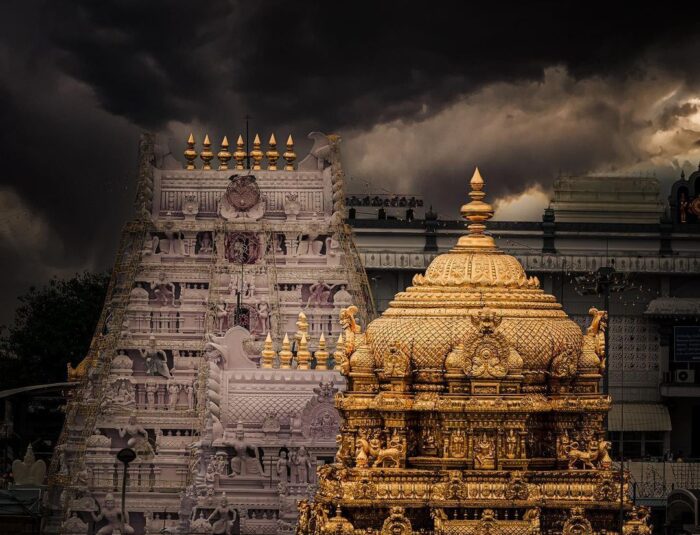
Tirupati Balaji Temple

The Tirupati Balaji Temple, also known as the Sri Venkateswara Swamy Temple, is not just a place of worship it is a living symbol of faith, devotion, and divine mystery. Located on the sacred Tirumala Hills in Andhra Pradesh, this ancient temple attracts millions of devotees every year from across the world.

For centuries, pilgrims have believed that Lord Venkateswara listens to every prayer and never sends a true devotee empty-handed. From its legendary history and mysterious idol to its sacred rituals and breathtaking hill routes, Tirupati Balaji stands as one of the most powerful spiritual centers on Earth.

How to get to Tirumala after reaching Tirupati? (For Air, Railway, and Bus travelers)

Tirupati is the main base town for the Tirumala pilgrimage. Whether you arrive by flight, train, or bus, you will ultimately reach Tirupati city. From Tirupati Airport, Railway Station, and Central Bus Stand – all three locations offer very easy, safe, and well-managed facilities to reach Tirumala. Therefore, even first-time visitors face no difficulties.

If you arrive in Tirupati by air:

Tirupati Airport (Renigunta) is approximately 15-16 kilometers from the city. As soon as you exit the airport, you can easily find APSRTC (Andhra Pradesh State Transport) buses going to Tirumala. These buses run throughout the day and take you directly to the Tirumala Bus Stand.
If you prefer not to travel by bus, prepaid taxis or private cabs are also available. It takes approximately 45 minutes to 1 hour to reach Tirumala by cab, but the journey is a bit slower due to speed limits on the ghat road.

If you arrive by train:

Tirupati Railway Station is located in the central part of the city. APSRTC buses to Tirumala are readily available right outside the station. Besides this, shared autos, private autos, or cabs are also easily available.
Traveling by bus is considered the safest, cheapest, and the most preferred option approved by the Tirumala Trust, which is why most devotees choose this route.

If you arrive in Tirupati by bus,

If you have already alighted at the Tirupati Bus Stand, then going to Tirumala becomes even easier. Special buses to Tirumala depart from the bus stand itself. There is a separate ticket counter there, and the staff will explain the further process to you.

Tirupati to Tirumala – Bus, Cab and Ghat Road experience

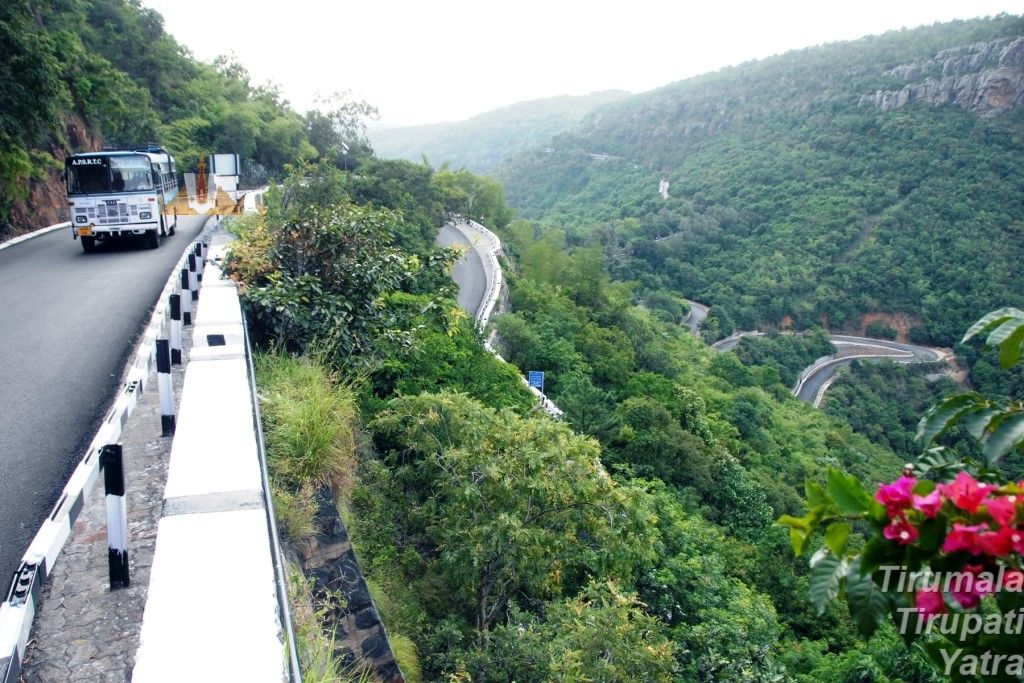
APSRTC’s Tirumala buses operate 24/7 and take you directly to the Tirumala Bus Stand. The ghat road is extremely scenic, with lush green hills, dense forests, and winding hairpin turns that give the journey a unique spiritual feel. The buses are driven by experienced drivers, making the journey completely safe. Both normal buses and Srivari buses are available.

If you prefer to travel by cab, you can hire a private cab from Tirupati, but there are speed restrictions and checkpoints on the ghat road. Due to certain regulations applicable to private vehicles, a cab might be more expensive and slightly inconvenient compared to the bus.

How to reach Tirumala by foot? (Alipiri / Srivari Mettu)

The most sacred and revered way to reach Tirumala is by walking up the steps. Many devotees choose this path as a vow.

The Alipiri Footpath starts from Tirupati and has over 3550 steps. It takes approximately 3 to 4 hours to complete this journey on foot. The journey is made relatively easy by the availability of drinking water, medical help, roofed shelters, and resting points along the entire route.

Srivari Mettu is another option, considered shorter and more comfortable. This route has over 2400 steps and allows you to reach Tirumala in about 2 to 2.5 hours. Necessary facilities and amenities are well-provided on both routes for ladies, senior citizens, and general devotees.

What are the checking and security arrangements like?

Tirupati Balaji Temple is a highly secured spiritual destination. Vehicle checking is conducted on the ghat road, and plastic, alcohol, and tobacco are completely banned. Security checks are also performed on the footpath route. Luggage scanning is compulsory upon reaching Tirumala. Mobile phones, purses, and essential items are allowed, but it’s best to avoid carrying unnecessary items.

Accommodation arrangements in Tirumala – Trust Quarters (TTD Rooms)

Tirumala Tirupati Devasthanams (TTD) provides very clean, safe, and affordable accommodation for devotees in Tirumala. Rooms are available from the Trust at rates of ₹100, ₹200, ₹500, and ₹1000. The ₹100–₹200 rooms are basic.

How to book accommodation in Tirumala?
Online booking can be done through the official TTD website. Selecting the date and providing an ID proof like Aadhaar is required. Since rooms are limited, booking in advance is safer.
If online booking is not possible, an offline room can be obtained from the CRO (Central Reception Office) upon reaching Tirumala, but availability is limited during peak season, and ID proof is compulsory.

What is the Tirupati Balaji Darshan like? (Complete Guide)

The main purpose of visiting Tirupati Balaji Temple is to have a darshan (sight) of Lord Venkateswara (Balaji). The darshan system is very disciplined, secure, and well-planned to manage millions of devotees. The entire system is designed in such a way that even first-time visitors receive proper guidance.

There are mainly three types of darshan available in Tirumala:

Sarva Darshan (Free Darshan)

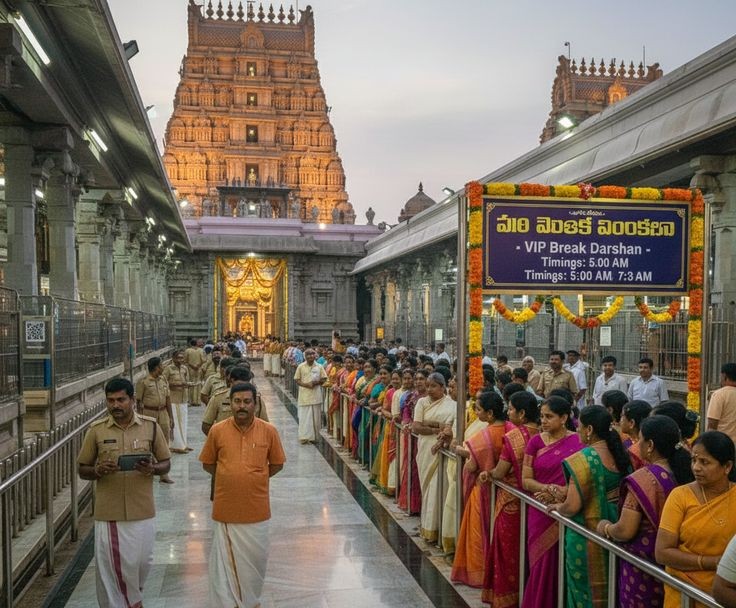
  1. This is the free darshan for general devotees. If there is a large crowd, the waiting time can be 6 to 12 hours or even more. The darshan line goes through the Vaikuntham Queue Complex, where seating, water, toilets, and announcements are available.

2 . Sheeghra Darshan (₹300 Darshan)

This is the most preferred type of darshan. Devotees with a ₹300 ticket get darshan in a comparatively shorter time. In a normal crowd, darshan can be completed in 2 to 4 hours, but the time may increase during the peak season.

3. VIP Darshan

This darshan is for special people or those with a recommendation letter. It is not easily available for general devotees.

  • Important instructions for Darshan

It is mandatory to wear traditional and decent clothing when going for Darshan. For men, dhoti/pant-shirt and for women, saree or salwar-kameez are considered preferable. Entry may be denied if you wear sleeveless tops, shorts, or inappropriate clothing.

The Real History Behind Tirupati Balaji Temple

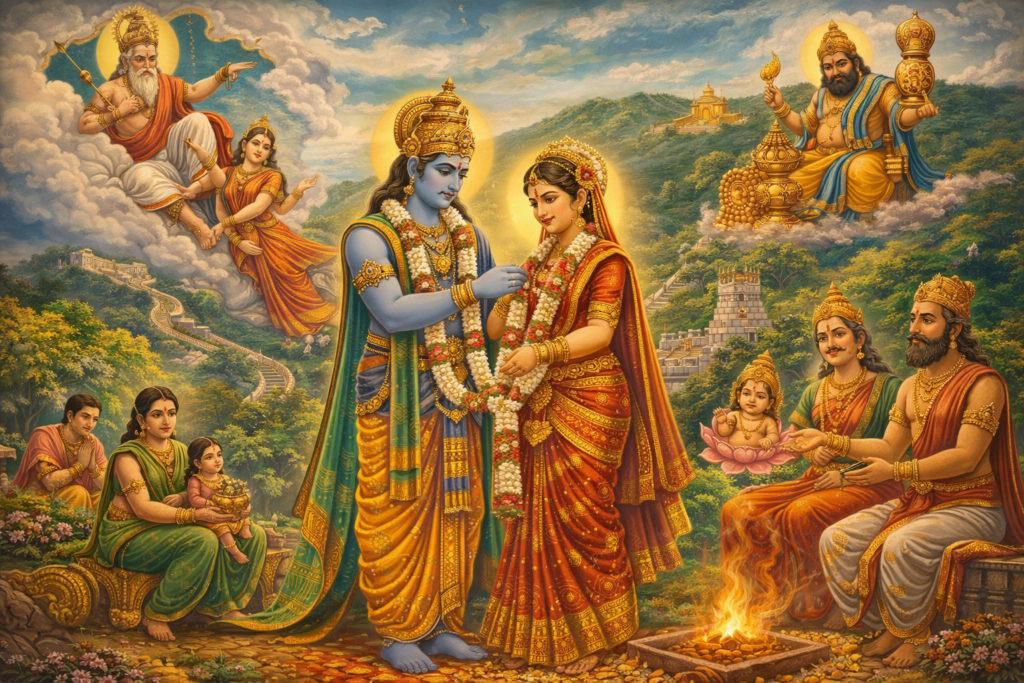
A long time ago, an incident occurred in Vaikuntha between Goddess Lakshmi and Lord Vishnu. According to some stories, Sage Bhrigu placed his foot on Vishnu’s chest, and Vishnu did not consider it an insult, but Goddess Lakshmi was deeply offended. She felt that Vishnu had not upheld her honor. For this reason, Goddess Lakshmi left Vaikuntha and came to Earth.

Vishnu was distraught by Lakshmi’s absence. Without his wife, even Vaikuntha seemed meaningless to him. Therefore, he took an avatar on Earth and came to the Tirumala hills to perform penance in search of Lakshmi. He accepted solitude in the dense forests and mountains and settled there. This avatar later came to be known as Sri Venkateswara.

During this time, there was a righteous king named Akasharaja on Earth. He and his wife, Dharmadevi, were childless. One day, while wandering in the forest, they found a baby girl in a lotus flower. They named the girl Padmavati and raised her as their own daughter. Padmavati is considered to be an earthly incarnation of Goddess Lakshmi. Time passed. One day, while Lord Venkateswara was hunting, he saw Padmavati, and love blossomed between them. Later, with Akasharaja’s consent, a grand wedding was arranged between Venkateswara and Padmavati.

This wedding was extremely grand, but it required a large amount of wealth. Therefore, it is believed that Lord Venkateswara borrowed money from Kubera, the god of wealth. It is believed that this debt is to be repaid until the end of Kali Yuga. That is why devotees believe that the donations they make today are given to repay the Lord’s debt.

After this marriage, Lord Venkateswara settled on the Tirumala hills and, according to belief, continues to reside there even today for the welfare of his devotees.

The Untold Mystery of the Tirumala Balaji Idol

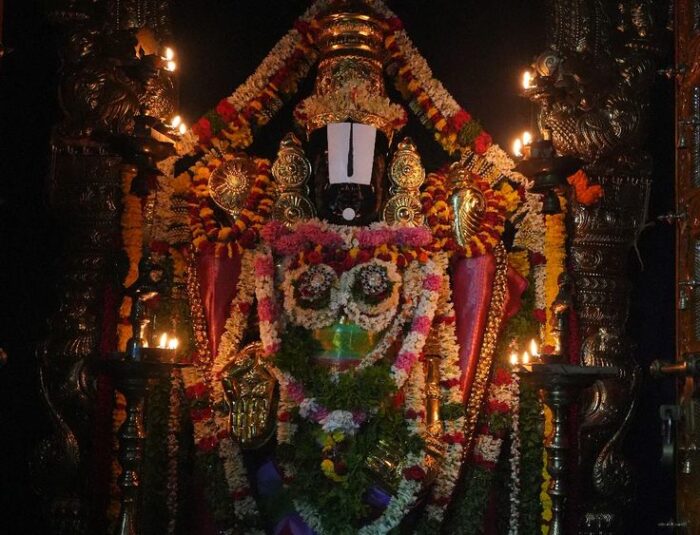
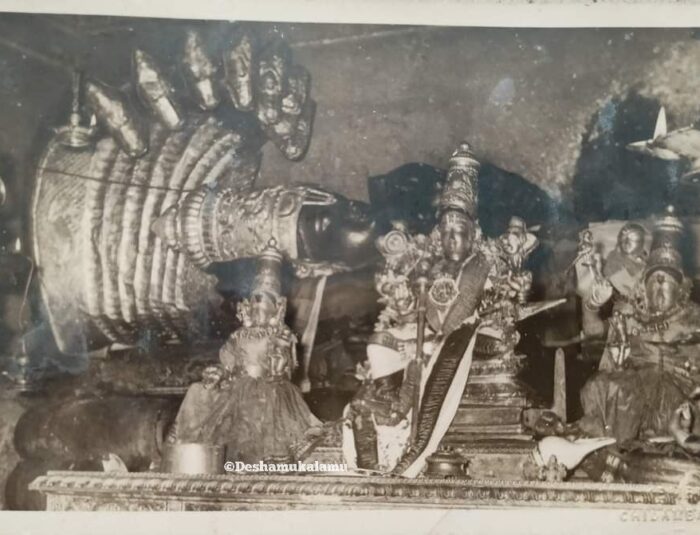
The idol of Lord Venkateswara, also known as Balaji, in Tirumala is not just a simple stone statue, but is considered a mysterious and divine enigma by devotees even today. This idol has remained unchanged for hundreds of years, and many wondrous stories are told about it. The first thing that is noticeable is that the idol does not behave like ordinary stone. When touched or during the anointing ceremony, many priests feel that it is warm, as if it were alive. Even though the atmosphere in the temple’s sanctum is cool, the idol is always slightly warm, which is why a sandalwood paste is applied to it daily. Interestingly, after this sandalwood paste is removed, it is completely wet and warm, giving many the experience that the idol is generating heat from within.

The hair of the Balaji idol is also considered a great mystery. 

7310588cca7d5239f16d00e24571521c

It is said that the hair is real and never gets tangled or dry. Due to this belief, millions of devotees offer their hair at Tirumala, as they believe that the deity himself possesses hair. A constant moisture is felt near the idol’s ears, which is attributed to the belief that Balaji is still listening to the prayers of his devotees. Therefore, many devotees consider the idol to be a living deity. The ornaments adorning the idol are fitted so precisely that they cannot be removed, and it is believed that attempting to remove them could damage the idol.

Another mysterious aspect is the eyes of the Balaji idol. These eyes are said to be extremely radiant. Previously, there was a belief that if one looked directly into the eyes, the lamp would extinguish or some misfortune would occur; hence, even today, the eyes are not kept fully open during the Aarti (ritual of waving lamps). According to the experiences of some priests, during the Abhishek (ritual bathing of the idol), they feel a pulse-like sensation on the idol, creating the feeling that the idol is not merely an object of worship but is alive. It is also believed that there is a mysterious presence behind the idol in the Garbhagriha (sanctum sanctorum), which is why the priests never go completely behind the idol.

Although all these mysteries have not been fully proven by science, centuries of tradition, the experiences of millions of devotees, and unwavering faith make the Tirumala Balaji idol one of the most mysterious and miraculous idols in the world. Therefore, the darshan (sight) of Balaji is not limited to merely seeing with the eyes, but becomes an unforgettable experience of the mind, faith, and spiritual peace.

Places to Visit in Tirumala Beyond Balaji Temple – A Complete Guide

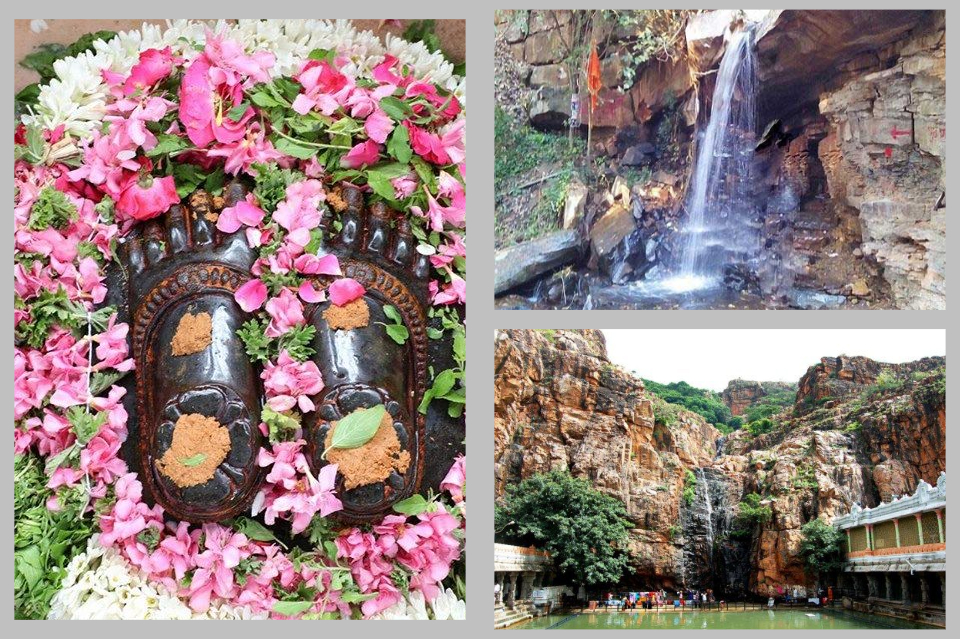
Tirumala is not only known for the sacred Sri Venkateswara Temple but also for its spiritually rich surroundings and naturally beautiful places that enhance the pilgrimage experience. One of the most important places to visit is Sri Vari Paadaalu, believed to be the spot where Lord Venkateswara first set foot on Tirumala Hills. Devotees visit this place with deep reverence, as it offers a peaceful atmosphere and a divine connection.

Another significant place is Akasa Ganga, a sacred waterfall where temple priests collect holy water daily for the Lord’s rituals. It is believed that the water here is pure and spiritually powerful. Nearby lies Papavinasanam, where devotees take a holy dip with the belief that their sins are washed away. The natural beauty of flowing water combined with religious faith makes this place truly special.

For those interested in mythology, Japali Teertham holds great importance. It is associated with Sage Anjaneya (Hanuman) and is surrounded by dense forests, offering a calm and meditative environment. Similarly, Tumbhuru Teertham is considered one of the oldest teerthams in Tirumala and is believed to be visited by celestial beings.

Tirumala also offers serene viewpoints such as Srivari Padalu View Point and nearby forest paths, where devotees can experience the calmness of nature while enjoying panoramic views of the hills. These locations allow visitors to slow down, reflect, and absorb the spiritual energy of Tirumala beyond temple darshan.

Overall, exploring Tirumala gives pilgrims a deeper understanding of why this sacred hill is considered the earthly abode of Lord Venkateswara. The blend of mythology, devotion, and natural beauty makes Tirumala a complete spiritual journey, not just a single temple visit.

The final darshan in Tirupati: Govindaraja Swami and Padmavathi Devi

After having the divine darshan of Lord Venkateswara at Tirumala, the devotees’ return journey concludes in Tirupati. According to tradition, it is considered highly auspicious to first visit the Govindaraja Swamy Temple after descending from the hills. This temple is dedicated to Lord Vishnu in his elder form and is the spiritual center of Tirupati city. While visiting this temple, devotees express their gratitude for their entire pilgrimage and offer prayers to the Lord with a peaceful mind.
Devotees express their gratitude to God, feeling that their wishes have been fulfilled. These final darshans at Tirupati bring peace of mind and provide a beautiful conclusion to the sacred journey to Tirumala. For many devotees, this moment is memorable for a lifetime and inspires them to return again.

3b721bcaa0d18d3c59a21c5424d64c4f
Govindaraja Swami

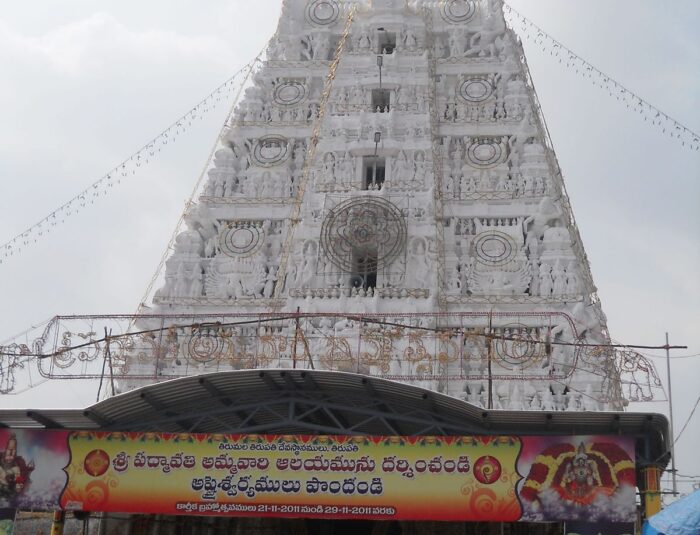
After visiting Govindaraja Swamy, devotees visit the Padmavathi Ammavari temple to have darshan of the goddess. Goddess Padmavathi is considered an earthly incarnation of Mahalakshmi and is the consort of Sri Venkateswara. Devotees believe that visiting this temple brings happiness, prosperity, and marital bliss to the family. These two sacred darshans complete the pilgrimage to Tirumala, and devotees return home with contentment, devotion, and positive energy. Devotees thank the deities for fulfilling their wishes and pray for proper guidance in life. This final darshan in Tirupati instills immense peace, faith, and a feeling of devotion in the hearts of the devotees, inspiring them to return to Tirumala again.

3e9ef0a441b390214148d088041aa4a5
Padmavathi Devi Temple

The pilgrimage to Tirupati Balaji is a journey of faith and spiritual fulfillment. The darshan (viewing of the deity) ends, but the Lord’s grace and the feeling of devotion remain forever in the heart.

If you found this article helpful, please share it with your family and friends and spread the experience of the divine journey to Tirupati Balaji to others.

If you are interested in Sikh history, read our detailed guide on Five Takhts of Sikhism.

Maharashtra has one of the 12 sacred Jyotirlingas of Lord Shiva. Read more about Grushneshwar Jyotirlinga Temple here.

Read our detailed guide on Ujjain Mahakal to learn about its spiritual importance, rituals, and sacred history.

0 comments
0 FacebookTwitterPinterestEmail
ReligionInformation

The Beautiful Tradition of Lohri : History

by lookseverything.com January 13, 2026
written by lookseverything.com

Why Lohri Is More Than a Festival: A Celebration of Harvest and Happiness

Lohri is one of the most vibrant and culturally rich festivals of North India. Celebrated every year on 13th January, Lohri marks the end of the harsh winter season and the beginning of longer, warmer days. Deeply rooted in agricultural traditions, Lohri is not just a festival but a heartfelt celebration of harvest, hope, and togetherness.

Primarily celebrated in Punjab, Haryana, Himachal Pradesh, and parts of Delhi, Lohri brings families and communities together around warmth, music, food, and gratitude toward nature.

The Historical Origins of Lohri

Lohri has its roots in ancient agrarian society. It is closely associated with the Rabi crop cycle, especially wheat, which starts ripening during this period. Farmers celebrate Lohri as a thanksgiving festival, expressing gratitude for a good harvest and praying for prosperity in the coming season.

The festival also has connections to the winter solstice, when the sun begins its northward journey, bringing longer daylight hours. This astronomical change symbolized hope and renewal for early farming communities.

Wheat harvest season in North India

The Legend of Dulla Bhatti

One of the most beloved folk tales associated with Lohri is that of Dulla Bhatti, a legendary hero from Punjab who lived during the Mughal era. He is remembered for helping poor girls escape exploitation and supporting their marriages by providing financial aid.

Traditional Lohri songs often mention Dulla Bhatti’s name, honoring his bravery and generosity. This connection adds a strong social and moral dimension to the festival, emphasizing values like justice, kindness, and community responsibility.

The Bonfire Ritual: Soul of Lohri

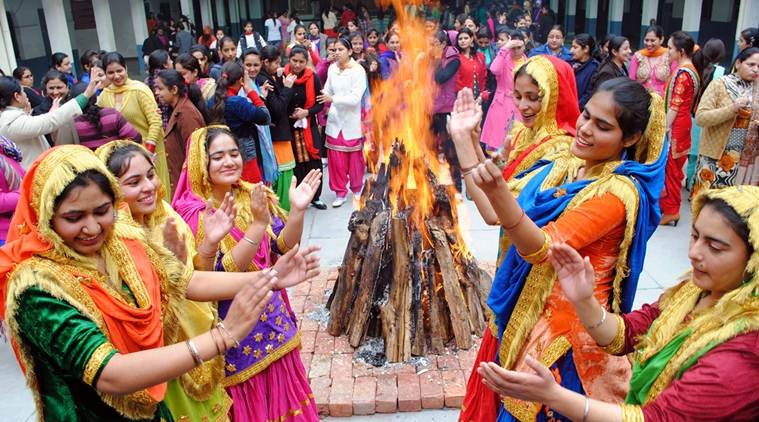
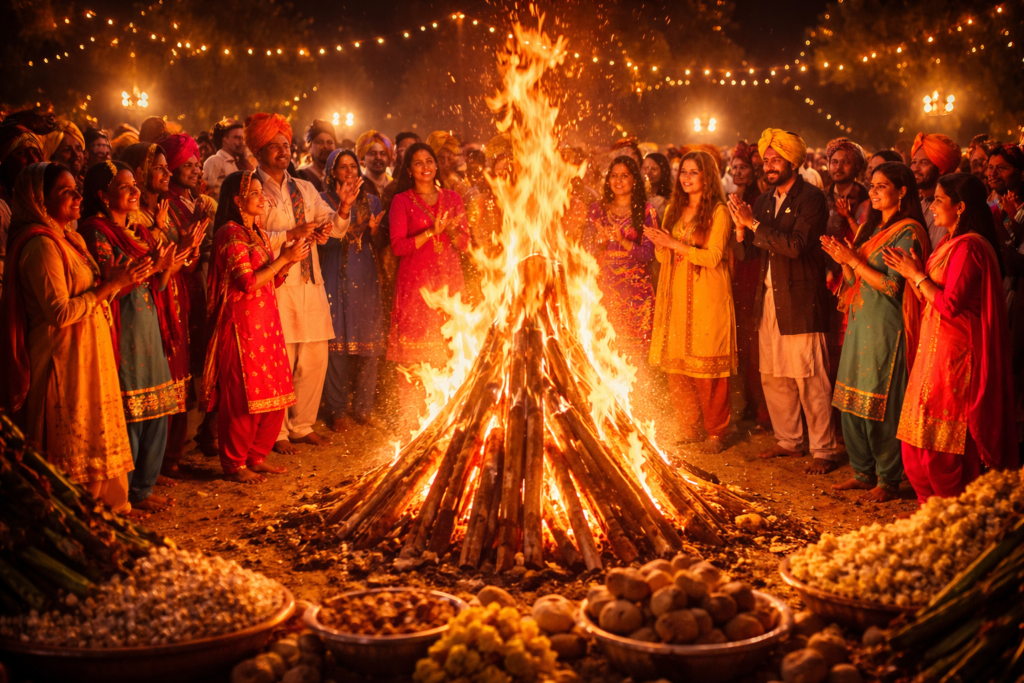
The Lohri bonfire is the heart of all celebrations. As the sun sets, people gather around a fire built using wood and cow dung cakes. The fire represents warmth, energy, and the life-giving power of the sun.

Offerings such as:

  • Sesame seeds (Til)

  • Jaggery (Gur)

  • Peanuts

  • Popcorn

  • Sugarcane

are thrown into the fire while people pray for abundance and well-being. Families walk around the fire, singing folk songs and clapping in rhythm.

Music, Dance, and Cultural Expression

No Lohri celebration is complete without Bhangra and Gidda. The energetic beats of the dhol fill the air as men and women dance joyfully around the bonfire.

Traditional attire adds vibrant colors to the celebration. Women wear salwar suits with phulkari dupattas, while men dress in kurta-pyjamas with turbans. The dance and music symbolize happiness, unity, and the festive spirit of Punjabi culture.

Special Importance for Newlyweds and Newborns

Lohri holds special significance for families celebrating the first Lohri of a newborn child or a newly married couple. These occasions are marked with grand celebrations, gifts, sweets, and extended family gatherings.

Such celebrations symbolize fertility, new beginnings, and blessings for a prosperous future.

Lohri Celebrations in Modern Times

In urban areas, Lohri has adapted to modern lifestyles. Housing societies organize community bonfires, cultural programs, and musical evenings. Even though the scale and setting may differ, the emotions and traditions remain intact.

Social media, digital invitations, and eco-friendly celebrations have become part of modern Lohri, blending tradition with contemporary life.

Why Lohri Still Matters Today

In today’s fast-paced world, Lohri reminds us of the importance of:

  • Gratitude toward nature

  • Strong family bonds

  • Community togetherness

  • Cultural heritage

It encourages people to pause, celebrate seasonal change, and reconnect with loved ones.

Conclusion

Lohri is much more than a festival—it is a celebration of life, warmth, and shared happiness. With its glowing bonfires, soulful folk songs, and rich traditions, Lohri continues to unite people across generations.

As the flames rise on Lohri night, they carry hopes of prosperity, health, and harmony, making Lohri a timeless celebration of harvest and happiness.

Frequently Asked Questions

Q1. Why is Lohri celebrated every year on 13th January?
Lohri is celebrated on 13th January to mark the end of winter and the beginning of longer days, linked with the harvest season and the sun’s northward movement.

Q2. What is the significance of the Lohri bonfire?
The bonfire symbolizes warmth, energy, and gratitude toward nature. People offer traditional foods to seek prosperity and happiness.

Q3. Who was Dulla Bhatti and why is he remembered during Lohri?
Dulla Bhatti was a folk hero known for helping poor girls. Lohri songs honor his courage and generosity.

Q4. What foods are traditionally eaten during Lohri?
Common Lohri foods include til ladoos, gajak, rewri, peanuts, popcorn, makki di roti, and sarson da saag.

Q5. Is Lohri celebrated outside Punjab?
Yes, Lohri is also celebrated in Haryana, Himachal Pradesh, Delhi, and by Punjabi communities worldwide.

0 comments
0 FacebookTwitterPinterestEmail
InformationReligion

Top 10 Mysterious Temples with Secrets No One Can Explain

by lookseverything.com January 12, 2026
written by lookseverything.com

India is home to ancient civilizations and remarkable architecture. Some temples stand out not only for their religious significance but for the mysteries that continue to baffle scientists and historians

Here is a detailed look at the Top 10 Mysterious Temples in India, where faith, history, and unexplained phenomena come together.

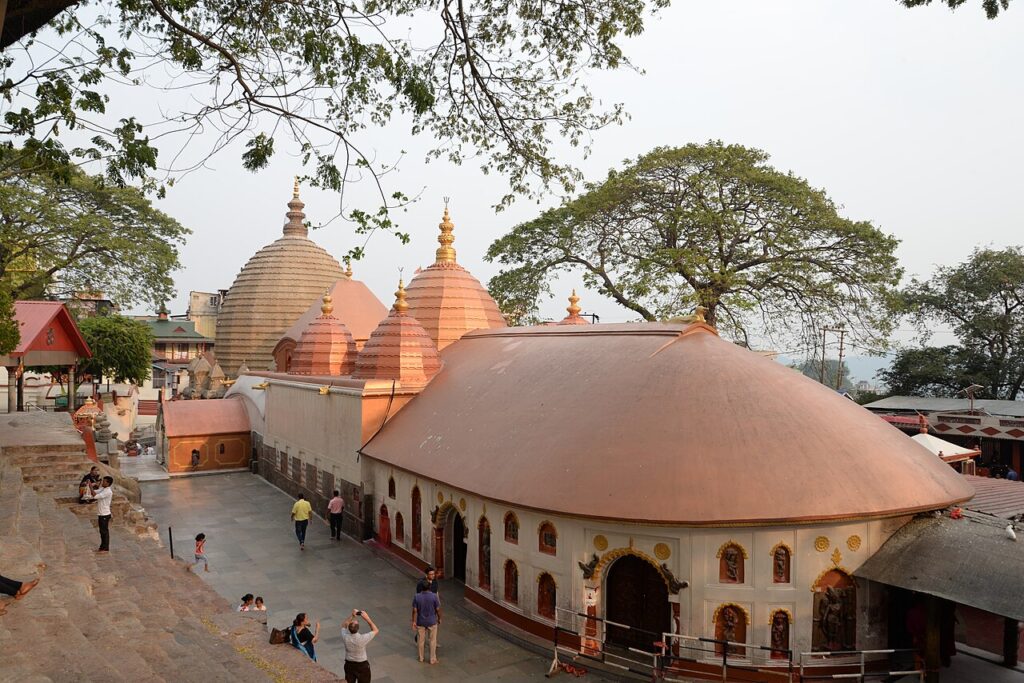
1. Kamakhya Temple, Assam

Located atop Nilachal Hill in Guwahati, the Kamakhya Temple is one of the most important Shakti Peethas in India. Unlike other temples, Kamakhya does not worship an idol but a yoni-shaped stone, symbolizing feminine power.

The greatest mystery lies in the Ambubachi Mela, when the temple is closed for three days every year. It is believed that the goddess undergoes her annual menstrual cycle, during which a natural spring inside the temple turns red.

Despite scientific explanations involving iron-rich water, the phenomenon continues to intrigue devotees and researchers alike.

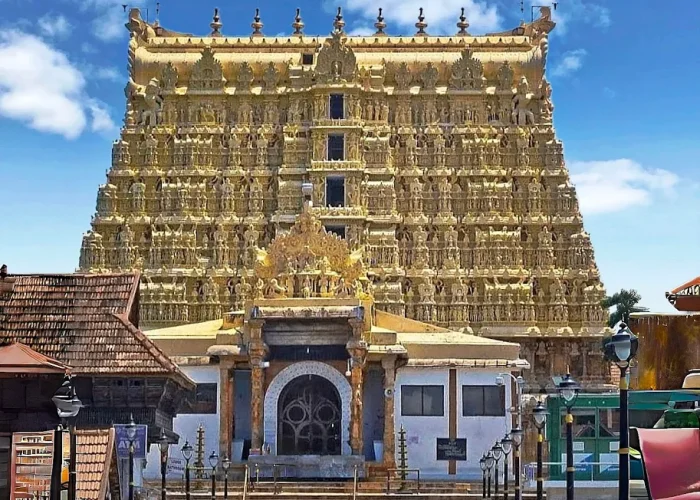
2. Padmanabhaswamy Temple, Kerala

unnamed (1)

This ancient Vishnu temple in Thiruvananthapuram gained global attention when its underground vaults were opened in 2011, revealing unimaginable wealth.

However, Vault B remains unopened due to strong religious beliefs and warnings associated with it. Legends suggest catastrophic consequences if it is disturbed.

The mystery surrounding Vault B continues to spark debate between faith, law, and archaeology.

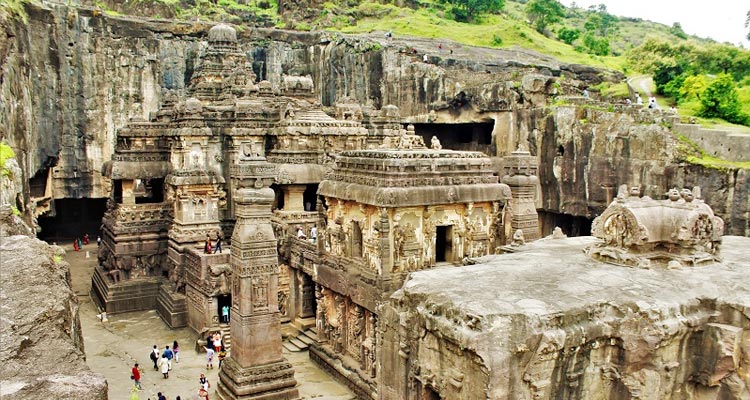
3. Kailasa Temple, Ellora, Maharashtra

The Kailasa Temple is an architectural wonder carved entirely from a single massive rock, from top to bottom. Built in the 8th century during the Rashtrakuta dynasty, it is dedicated to Lord Shiva.

What baffles experts is how ancient craftsmen removed nearly 400,000 tons of rock using basic tools. Even today, replicating such a structure with modern machinery would be extremely difficult.

The destination of the excavated rock remains unknown, adding to the mystery.

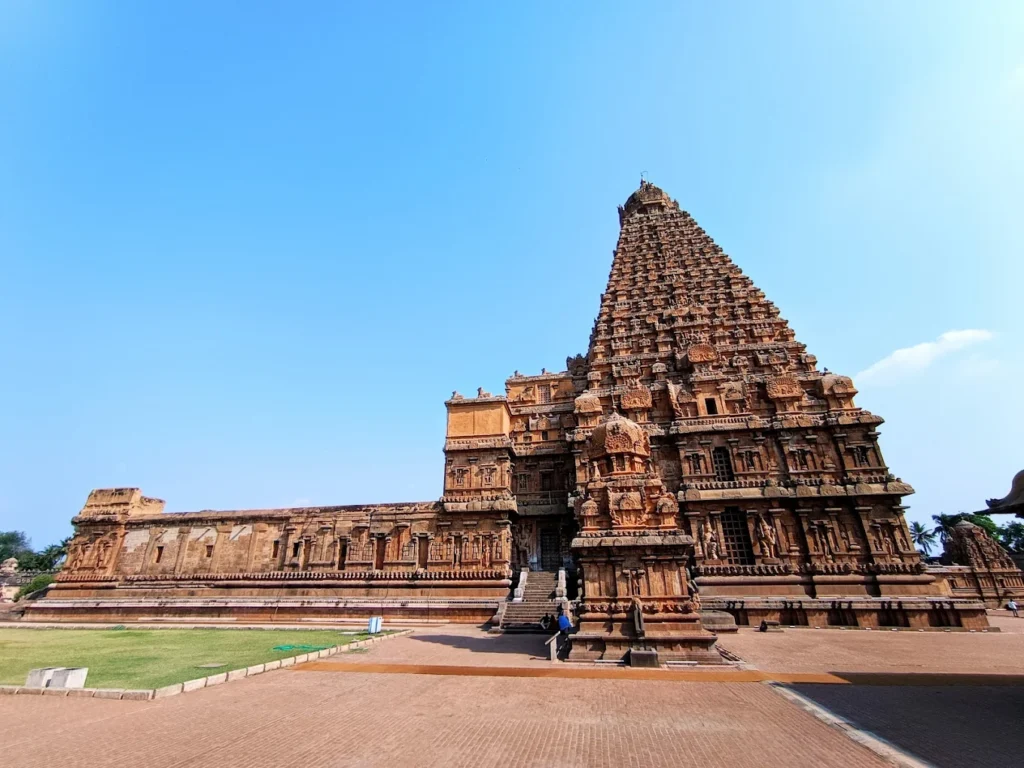
4. Brihadeeswarar Temple, Tamil Nadu

Built by Raja Raja Chola I in the 11th century, the Brihadeeswarar Temple in Thanjavur is a UNESCO World Heritage Site.

One of its most fascinating mysteries is that the 80-ton granite capstone sits atop the temple tower, yet it casts no shadow on the ground at noon during most of the year.

How ancient engineers achieved this precision without modern instruments remains a topic of debate among historians.

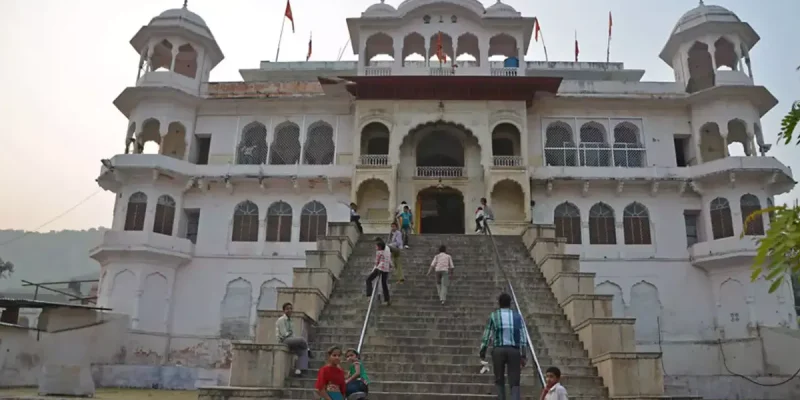
5. Mehandipur Balaji Temple, Rajasthan

mehandipur-balaji-temple (1)

The Mehandipur Balaji Temple is widely known for rituals associated with exorcism and spiritual healing. Devotees from across the country visit this temple seeking relief from what they believe to be possession by negative energies.

Unusual behaviors such as screaming, fainting, and sudden emotional outbursts are often witnessed during rituals. Many claim instant recovery after the ceremonies.

While psychology offers possible explanations, the experiences reported here remain deeply mysterious to visitors.

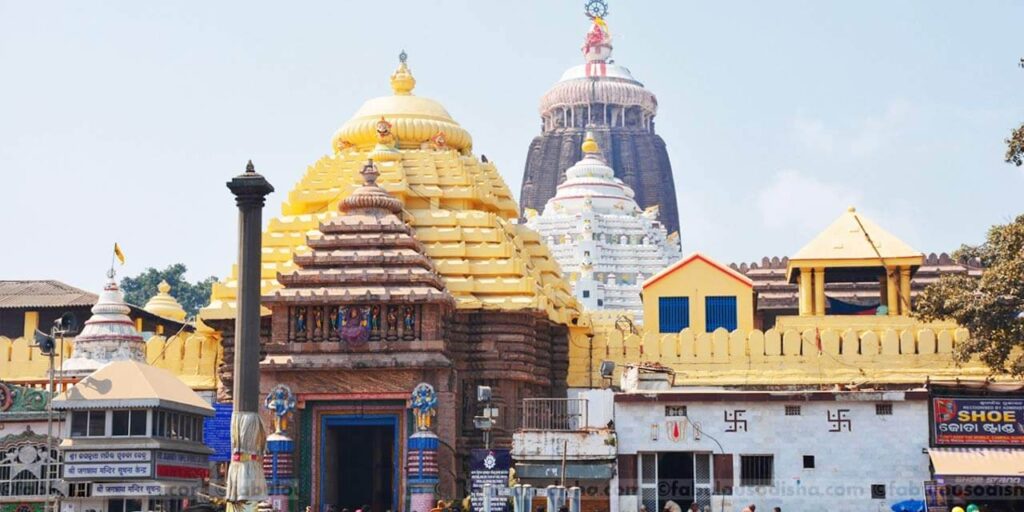
6. Jagannath Temple, Puri, Odisha

The Jagannath Temple is known for multiple unexplained phenomena:

  • The temple flag always flutters against the direction of the wind

  • The sound of ocean waves disappears once you enter the temple premises

  • Birds avoid flying above the temple

Despite scientific attempts, no conclusive explanation has been universally accepted.

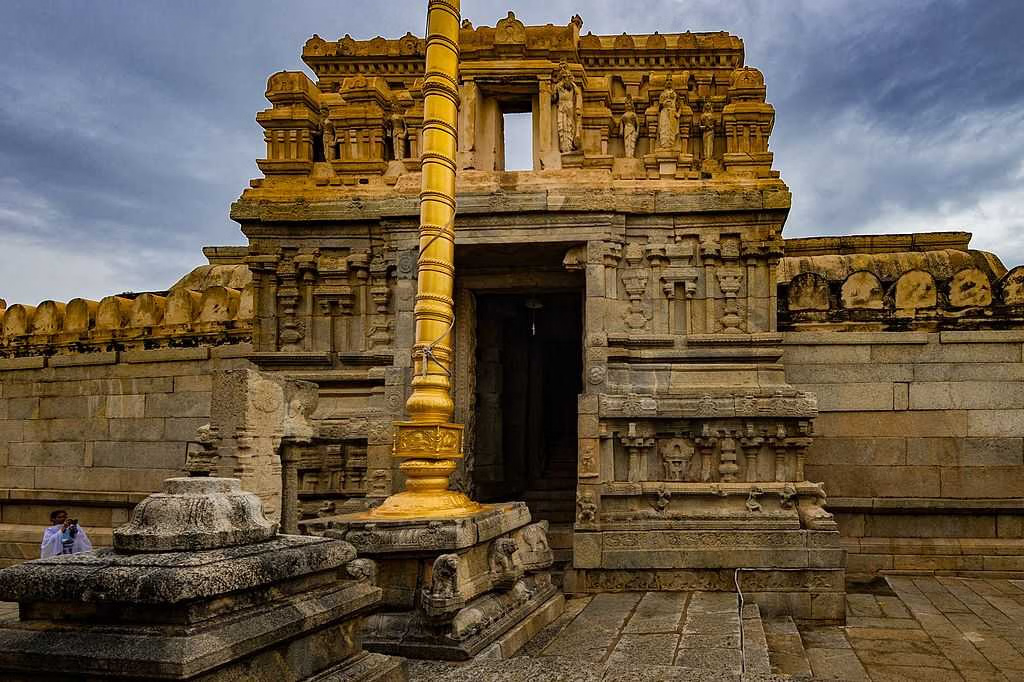
7. Veerabhadra Temple, Lepakshi, Andhra Pradesh

This 16th-century temple is famous for its hanging pillar, which does not touch the ground.

Visitors can pass cloth or paper beneath the pillar, proving that it is suspended in the air. The engineering technique used to achieve this remains unclear.

British engineers reportedly tried to move the pillar, causing it to tilt slightly but not fall.

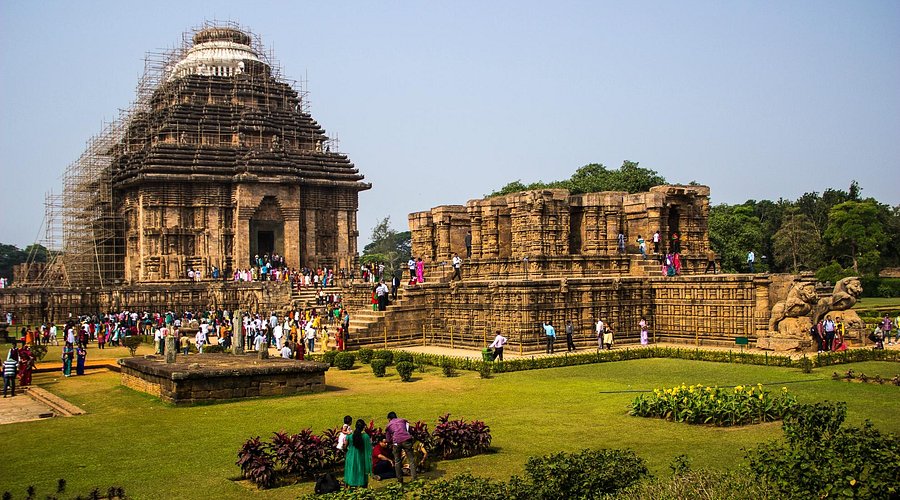
8. Konark Sun Temple, Odisha

Once known as the “Black Pagoda,” the Konark Sun Temple was believed to have a massive magnetic stone at its peak.

According to legends, this magnet disrupted ship compasses, causing vessels to lose direction near the coast. The stone was later removed, possibly leading to the collapse of parts of the structure.

The advanced understanding of magnetism in ancient India continues to amaze researchers.

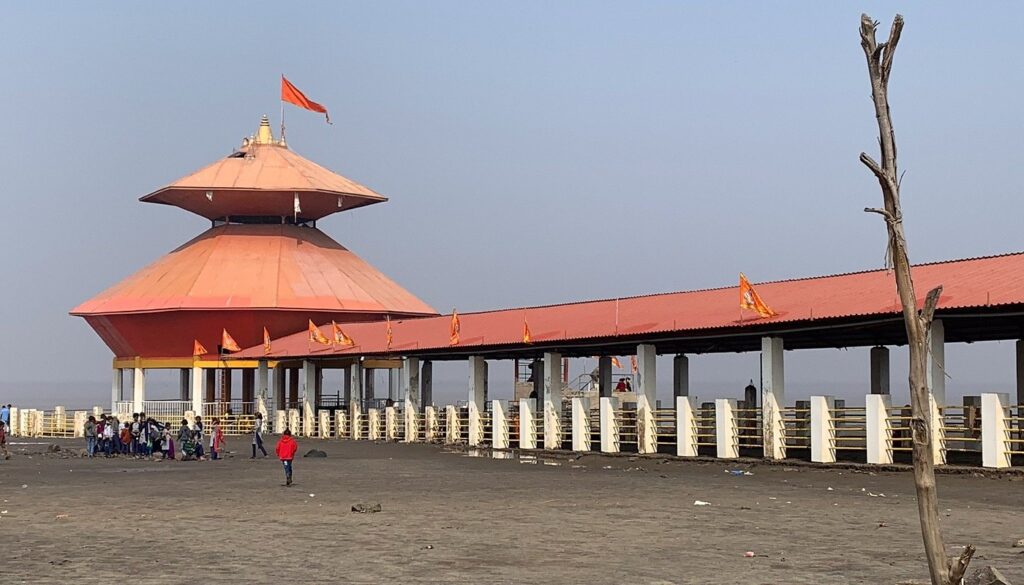
9. Stambheshwar Mahadev Temple, Gujarat

Situated in the Arabian Sea, the Stambheshwar Mahadev Temple is visible only during low tide and completely submerged during high tide.

Devotees visit the temple during specific hours to offer prayers before the sea reclaims it. The temple’s ability to withstand continuous ocean pressure without damage is remarkable.

Nature itself seems to participate in the daily worship here.

10. Nidhivan, Vrindavan, Uttar Pradesh

Nidhivan is believed to be the sacred site where Lord Krishna performs Raas Leela every night. No one is allowed to stay inside the grove after sunset.

Local priests claim that those who attempted to observe the night events faced severe consequences. Trees in Nidhivan are also mysteriously bent and intertwined.

Click here

Discover the full insights and crime analysis of the most dangerous cities in the world in 2026 by exploring our detailed report here.

0 comments
0 FacebookTwitterPinterestEmail
InformationTravel

Most Dangerous Cities in the World 2026 – Full Crime Analysis

by lookseverything.com January 11, 2026
written by lookseverything.com

.


🌍 Top 10 Most Dangerous Cities in the World (2026)

The world has many beautiful cities, but some places struggle with high crime rates, violence, gang activity, and safety issues. These cities are not entirely unsafe, but certain areas pose serious risks for residents and travelers.

In this blog, we explore the Top 10 Most Dangerous Cities in the World, based on crime levels, murder rates, and overall safety conditions.

⚠️ Disclaimer: Crime levels vary by neighborhood. Many cities have safe areas, but the rankings reflect overall risk.


1. Caracas, Venezuela

Caracas is the capital city of Venezuela and one of the most populated cities in the country. It is surrounded by mountains and has a rich cultural history. However, economic collapse and political instability have badly affected daily life. Unemployment and poverty have increased crime levels. Many areas of the city are controlled by gangs. Safety remains a major concern for residents and visitors.

2. Tijuana, Mexico

Tijuana is a major border city located next to the United States. It is known for tourism, nightlife, and manufacturing industries. At the same time, the city faces serious challenges due to drug cartel activity. Violence between rival gangs is common in some areas. Crime rates remain high despite strong police presence. Travelers must be cautious while visiting.

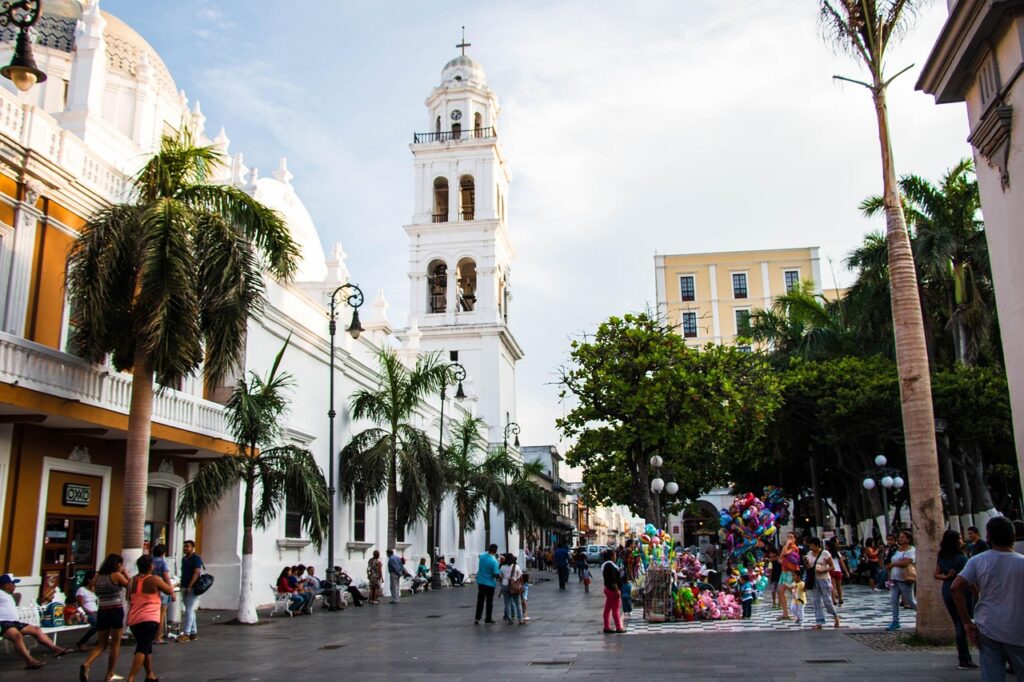
3. Acapulco, Mexico

Acapulco is a coastal city famous for its beaches and resorts. It was once a top international tourist destination. Over the years, drug-related violence has increased sharply. Rival gangs fight for control of territories. This has led to one of the highest murder rates in the world. Tourism has declined due to safety concerns.

4. Cape Town, South Africa

Cape Town is one of the most beautiful cities in Africa, known for Table Mountain and beaches. It attracts millions of tourists every year. However, some neighborhoods suffer from gang violence and shootings. Economic inequality plays a major role in crime. Certain areas are considered unsafe after dark. Safety depends heavily on location.

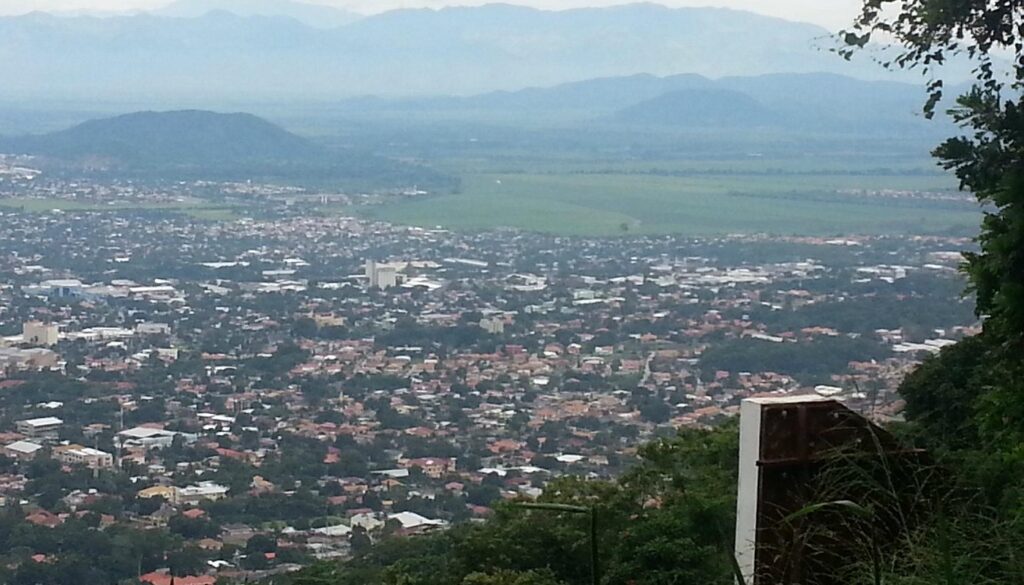
5. San Pedro Sula, Honduras

San Pedro Sula is an important industrial and commercial city in Honduras. It plays a key role in the country’s economy. Unfortunately, it has a long history of violent crime. Gang activity and drug trafficking are widespread. The city often records extremely high homicide rates. Many residents live under constant fear.

6. Rio de Janeiro, Brazil

Rio de Janeiro is famous for Carnival, beaches, and football culture. It is one of the most visited cities in South America. Alongside its beauty, crime remains a serious issue. Many favelas are controlled by armed groups. Street robberies and gun violence are common in some areas. Visitors must stay alert at all times.

7. Baltimore, United States

Baltimore is a historic city located in the state of Maryland. It has an important port and rich cultural heritage. Despite this, the city struggles with gun violence and drug-related crime. Certain neighborhoods report high homicide rates. Social and economic problems contribute to crime. Safety varies greatly by area.

8. Ciudad Juárez, Mexico

Ciudad Juárez is located along the US–Mexico border and plays a major role in trade. It is known for its factories and manufacturing industry. The city has been heavily affected by drug cartel conflicts. Violence has claimed thousands of lives over the years. Crime remains a major challenge. Law enforcement efforts continue to improve safety.

9. Lagos, Nigeria

Lagos is the largest city in Nigeria and one of the fastest-growing cities in Africa. It is a major economic and financial hub. Despite its growth, the city faces serious crime issues. Robbery, kidnapping, and fraud are common problems. Overpopulation adds pressure on resources. Safety concerns remain high in many areas.

10. Port Moresby, Papua New Guinea

Port Moresby is the capital city of Papua New Guinea. It serves as the political and economic center of the country. The city struggles with high levels of violent crime. Armed robberies and carjackings are frequent. Limited policing increases safety risks. It is considered one of the least safe capitals in the world.

Click here

Uncover the hidden secrets and fascinating stories of the Top 10 Mysterious Temples—explore them all here

0 comments
0 FacebookTwitterPinterestEmail
InformationAutomobile

Nissan Gravite 2026 Affordable 7-Seater MPV Launching in India at Just ₹6 Lakh?

by lookseverything.com January 9, 2026
written by lookseverything.com

🚗 Nissan Gravite – Upcoming 7-Seater MPV Launch in India (2026)

Nissan is preparing to strengthen its presence in the Indian automobile market with the launch of a brand-new compact MPV called Nissan Gravite.

💰 Expected Price in India

Nissan Gravite is expected to be priced aggressively to compete in the budget MPV segment.

👉 Expected Ex-Showroom Price:
₹5.5 lakh – ₹8.5 lakh

This pricing will make it one of the most affordable 7-seater cars in India.

📅 Expected Launch Timeline in India

Nissan Gravite is expected to be officially unveiled in January 2026, with sales starting around March 2026 across India. This launch will be part of Nissan’s larger comeback strategy, where the company plans to introduce multiple new models in the coming years.

Gravite will be positioned below Nissan’s future SUVs and will focus on volume sales

🏗 Platform & Design Approach

The Nissan Gravite will be based on the CMF-A+ platform, which is also used by the Renault Triber. However, Nissan will give the Gravite a distinct identity with brand-specific styling updates.

Exterior Highlights (Expected):

  • Nissan’s signature V-motion front grille

  • Sharper headlamps and redesigned bumper

  • Sporty side profile with roof rails

  • Unique rear design with Nissan branding

Overall, the Gravite is expected to look more premium and bold compared to its platform sibling.

🧑‍👩‍👧 Interior & Seating Comfort

The Nissan Gravite is expected to be offered as a 5-seater and 7-seater MPV, making it ideal for Indian families.

Expected Interior Features:

  • Modular seating layout with foldable third row

  • 8-inch touchscreen infotainment system

  • Android Auto & Apple CarPlay support

  • Digital instrument cluster

  • Rear AC vents for better cooling

  • Multiple storage spaces and cup holders

The focus will be on comfort, space, and everyday usability rather than luxury.

⚙️ Engine & Performance

Nissan Gravite is likely to be powered by a 1.0-litre, 3-cylinder petrol engine.

Expected Engine Specs:

  • Power output: 72–76 PS

  • Torque: Around 96 Nm

  • Transmission options:

    • 5-speed Manual

    • 5-speed AMT

This engine setup is designed for city driving, family use, and fuel efficiency rather than high performance.

⛽ Mileage Expectation

Fuel efficiency will be one of Gravite’s strong points. The expected mileage could be:

  • Manual: 19–20 km/l

  • AMT: Around 18–19 km/l

These figures make it a practical choice for daily commuting and long trips.

🚙 Key Rivals in the Market

Nissan Gravite will compete with:

  • Renault Triber

  • Maruti Suzuki Ertiga

  • Toyota Rumion

  • Citroën C3 Aircross (7-seater variant)

Among these, Gravite’s main rival will be the Renault Triber, due to similar size and pricing.

✅ Why Nissan Gravite Makes Sense

  • Affordable 7-seater option

  • Ideal for Indian families

  • Good fuel efficiency

  • Trusted Nissan engineering

  • Practical features for daily use

Final Verdict

The Nissan Gravite looks like a smart and sensible MPV for buyers who want space, comfort, and value for money without stretching their budget. If Nissan prices it right and offers good after-sales support, Gravite could become a strong player in the compact MPV segment.

Know more about the New Renault Duster SUV

Click here
0 comments
0 FacebookTwitterPinterestEmail
Information

WordPress Website Not Indexing on Google? Fix It Fast (2026 Complete Guide)

by lookseverything.com January 7, 2026
written by lookseverything.com

Why WordPress Website Is Not Indexing on Google? (2026 Complete Guide)

If your WordPress website is not indexing on Google, you’re not alone. This is one of the most common problems new bloggers face. The good news? In most cases it’s easy to fix.

In this guide, I’ll explain all real reasons why Google doesn’t index WordPress sites—and exact steps to fix each one.

What Does “Not Indexed” Mean?

When a page is not indexed, Google knows about it (or sometimes doesn’t) but doesn’t show it in search results. So even if your site is live, people can’t find it on Google.

1️⃣ Your Website Is New (Most Common Reason)

If your domain is new (0–15 days), Google needs time to crawl and index it.

Fix:

  • Open Google Search Console

  • Use URL Inspection Tool

  • Enter your homepage URL

  • Click Request Indexing

⏳ Indexing usually takes 24–72 hours for new sites.

2️⃣ “Discourage Search Engines” Is Enabled ❌

WordPress has a setting that blocks Google completely.

Check this NOW:

Dashboard → Settings → Reading

Make sure:

  • ❌ Discourage search engines from indexing this site is UNCHECKED

Then click Save Changes.

3️⃣ No Sitemap Submitted to Google

Without a sitemap, Google may not crawl your pages properly.

Fix:

Install an SEO plugin:

  • Rank Math (Recommended)

  • Yoast SEO

Then submit sitemap in Search Console:

/sitemap_index.xml

Path: Search Console → Sitemaps → Add New Sitemap

4️⃣ Pages Are Set to “Noindex”

Sometimes themes or plugins add noindex tag, which blocks Google.

Check:

  • Edit a post/page

  • Look at SEO settings (Rank Math / Yoast)

  • Make sure Index is selected

5️⃣ Poor or Thin Content

Google avoids indexing pages with:

  • Very short content (<300 words)

  • Duplicate content

  • AI spam without value

Fix:

  • Write 800–1200 words

  • Add images

  • Use headings (H2, H3)

  • Answer real user problems

6️⃣ Website Blocked by robots.txt

If robots.txt blocks Google, indexing will fail.

Check:

Visit: yoursite.com/robots.txt

Make sure this line is NOT present:

Disallow: /

7️⃣ Website Is Very Slow

Slow websites may get ignored by Google.

Fix:

  • Use fast hosting

  • Install cache plugin (WP Rocket / LiteSpeed Cache)

  • Compress images

8️⃣ No Internal Links

If no page links to your post, Google may not find it.

Fix:

  • Link new posts from homepage

  • Add links from older posts

How to Check Indexing Status

Search on Google:

site:yourwebsite.com 

If nothing appears, your site is not indexed yet.

How Long Does Google Take to Index?

Website TypeTime
New site1–7 days
New post24–48 hours
After fix1–3 days

Final Checklist (Do This Today ✅)

✔️ Submit sitemap ✔️ Request indexing ✔️ Disable discourage option ✔️ Write quality content ✔️ Use SEO plugin ✔️ Be patient

Final Verdict

If your WordPress website is not indexing on Google, it’s usually because of settings or time delay, not a serious issue.

Fix the basics, request indexing, and Google WILL index your site.

🚀 Want Faster Results?

If you want your WordPress website to get indexed faster and rank better, follow these proven tips:

  • Publish content regularly (at least 1–2 posts per week)

  • Update old posts with fresh information, images, and the latest year

  • Share links on social media like Facebook, X (Twitter), WhatsApp groups, and Telegram

When Google sees fresh activity and engagement, it trusts your website more.

🚀 Consistency beats everything in SEO.

14 comments
0 FacebookTwitterPinterestEmail
ReligionTravel

Why Grushneshwar Jyotirling Is One of the Most Powerful Jyotirlings of Lord Shiva

by lookseverything.com January 6, 2026
written by lookseverything.com

Introduction

Grushneshwar Jyotirling is one of the 12 sacred Jyotirlings of Lord Shiva and holds immense religious importance in Hinduism. It is located near Ellora Caves in Chhatrapati Sambhajinagar (Aurangabad), Maharashtra. Surrounded by history, spirituality, and ancient architecture, this holy shrine attracts lakhs of devotees every year.

History & Mythology of Grushneshwar Jyotirling

Grushneshwar Jyotirlinga is an ancient shrine dedicated to Lord Shiva, believed to be over 1,000 years old. It is mentioned in several Hindu scriptures, including the Shiva Purana, highlighting its deep mythological importance. According to legend, Lord Shiva manifested here to bless a devoted woman named Ghushma, from whom the temple gets its name. The temple has been destroyed and rebuilt multiple times, reflecting centuries of devotion and resilience. The present structure was restored in the 18th century under the patronage of Queen Ahilyabai Holkar. Today, Grushneshwar stands as the twelfth and last Jyotirlinga, symbolizing eternal faith and spiritual power.

The temple is located close to the UNESCO World Heritage Ellora Caves, adding to its historical significance. Grushneshwar Jyotirlinga has long been a major pilgrimage site for Shaivite devotees from across India. The sacred atmosphere of the temple is believed to radiate the divine presence of Lord Mahadev.

  1. The Grushneshwar Jyotirlinga Temple is primarily built using local basalt stone, common in ancient Deccan architecture.
  2. Detailed sculptures of Lord Shiva, Goddess Parvati, Nandi, and other divine figures adorn the temple structure.
  3. The temple follows traditional South Indian–influenced Nagara-style architecture with a beautifully carved shikhara.
  4. Its walls, pillars, and entrance showcase intricate stone carvings (nakshikam) of gods, goddesses, and floral patterns.
  5. Mythological scenes from Hindu scriptures are finely engraved on the temple walls, reflecting deep spiritual symbolism.

Religious Significance

Visiting Grushneshwar Jyotirling is believed to:
  • Remove sins and negative karma

  • Fulfill devotees’ wishes

  • Bring mental peace and spiritual awakening

Major festivals celebrated here include Mahashivratri, Shravan Month Mondays, and Pradosh Vrat, when the temple witnesses massive crowds. 

Darshan & Abhishek Timings

Temple Timings:

  • 5:30 AM to 9:30 PM

Abhishek Timings:

  • 5:30 AM to 7:30 AM

  • 🔱 Unique Feature: Devotees are allowed to touch the Shiva Linga during Abhishek, which is rare among Jyotirling temples.

How to Reach Grushneshwar Jyotirling

✈️ By Air

Nearest Airport: Chhatrapati Sambhajinagar (Aurangabad) – approx. 40 km

🚆 By Train

Nearest Railway Station: Aurangabad Railway Station – well connected to major cities

🚌 By Road

Regular buses and taxis available from Aurangabad, Pune, Nashik, and nearby cities

Nearby Tourist Attractions

  • 🗿 Ellora Caves (UNESCO World Heritage Site)

  • 🏰 Daulatabad Fort

  • 🕌 Bibi Ka Maqbara

  • 🗿 Ajanta Caves

Important Guidelines for Devotees

  • Traditional dress is mandatory

  • Men must remove upper garments before entering sanctum

  • Mobile phones and cameras are not allowed inside

  • Early morning visits are recommended for peaceful darshan

Conclusion

Grushneshwar Jyotirling is not just a religious destination but a powerful center of faith, history, and divine energy. Its proximity to Ellora Caves makes it a perfect blend of spirituality and heritage. Every Shiva devotee should visit this sacred Jyotirling at least once in their lifetime.

If you are planning a spiritual trip, you should also read our complete guide on Tirupati Balaji Temple.

To explore more about the spiritual significance and mysteries of Ujjain Mahakal, be sure to read our detailed guide.

Frequently Asked Questions about Grushneshwar Temple

Grushneshwar Temple is the 12th and last Jyotirlinga of Lord Shiva, making it one of the most sacred pilgrimage sites for Shiva devotees.

The temple is located near Ellora Caves in Verul village, Aurangabad district, Maharashtra, India.

Grushneshwar Temple is generally open from 5:30 AM to 9:30 PM. Timings may vary on festivals and special occasions.

Yes, devotees are expected to wear traditional and modest clothing. Men usually wear dhoti or kurta, while women wear saree or salwar suit.

Yes, devotees are allowed to perform Abhishek personally, which is a unique feature of Grushneshwar Jyotirlinga.

0 comments
0 FacebookTwitterPinterestEmail
Newer Posts
Older Posts

Search

Recent Posts

  • Jeffrey Epstein Files Explained Powerful Names, Hidden Truths
  • Jagannath Puri Temple: History, Secrets, Rath Yatra & Travel Guide
  • Top Drug Addiction Cities in the World
  • Ravana Story From Birth to Death Life
  • Ujjain Mahakal Where Time Ends, Fear Dissolves, and Moksha Begins

Categories

  • Automobile
  • Information
  • Religion
  • Travel
  • Upcoming

Categories

  • Automobile
  • Information
  • Religion
  • Travel
  • Upcoming

Pages

  • About Us
  • Blog
  • Cart
  • Checkout
  • Contact Us
  • Disclaimer
  • Home
  • My account
  • Privacy Policy
  • Shop
Lookseverything
  • Home
  • Blog

  • About Us
  • Contact Us
  • Privacy Policy
  • Disclaimer