
Why Lohri Is More Than a Festival: A Celebration of Harvest and Happiness
Lohri is one of the most vibrant and culturally rich festivals of North India. Celebrated every year on 13th January, Lohri marks the end of the harsh winter season and the beginning of longer, warmer days. Deeply rooted in agricultural traditions, Lohri is not just a festival but a heartfelt celebration of harvest, hope, and togetherness.
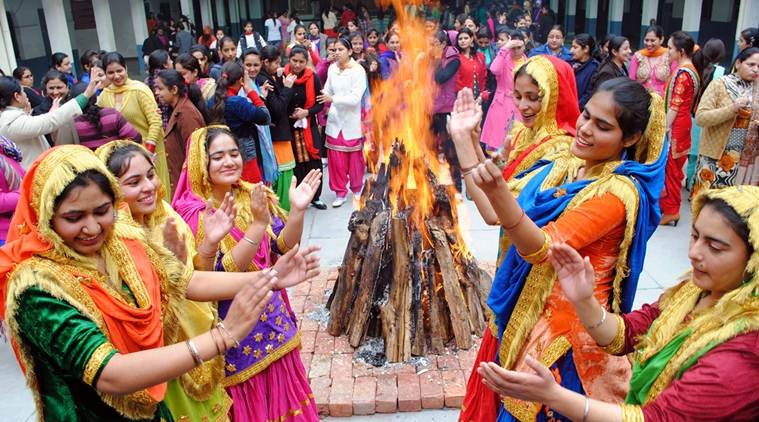
Primarily celebrated in Punjab, Haryana, Himachal Pradesh, and parts of Delhi, Lohri brings families and communities together around warmth, music, food, and gratitude toward nature.
The Historical Origins of Lohri
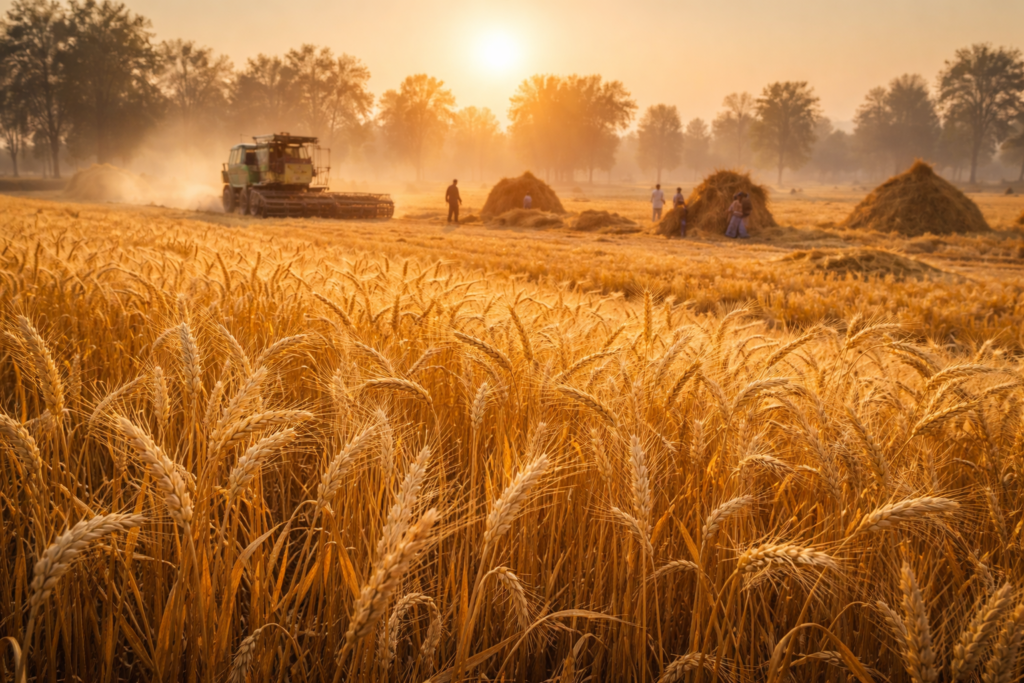
Lohri has its roots in ancient agrarian society. It is closely associated with the Rabi crop cycle, especially wheat, which starts ripening during this period. Farmers celebrate Lohri as a thanksgiving festival, expressing gratitude for a good harvest and praying for prosperity in the coming season.
The festival also has connections to the winter solstice, when the sun begins its northward journey, bringing longer daylight hours. This astronomical change symbolized hope and renewal for early farming communities.
The Legend of Dulla Bhatti
One of the most beloved folk tales associated with Lohri is that of Dulla Bhatti, a legendary hero from Punjab who lived during the Mughal era. He is remembered for helping poor girls escape exploitation and supporting their marriages by providing financial aid.
Traditional Lohri songs often mention Dulla Bhatti’s name, honoring his bravery and generosity. This connection adds a strong social and moral dimension to the festival, emphasizing values like justice, kindness, and community responsibility.
The Bonfire Ritual: Soul of Lohri
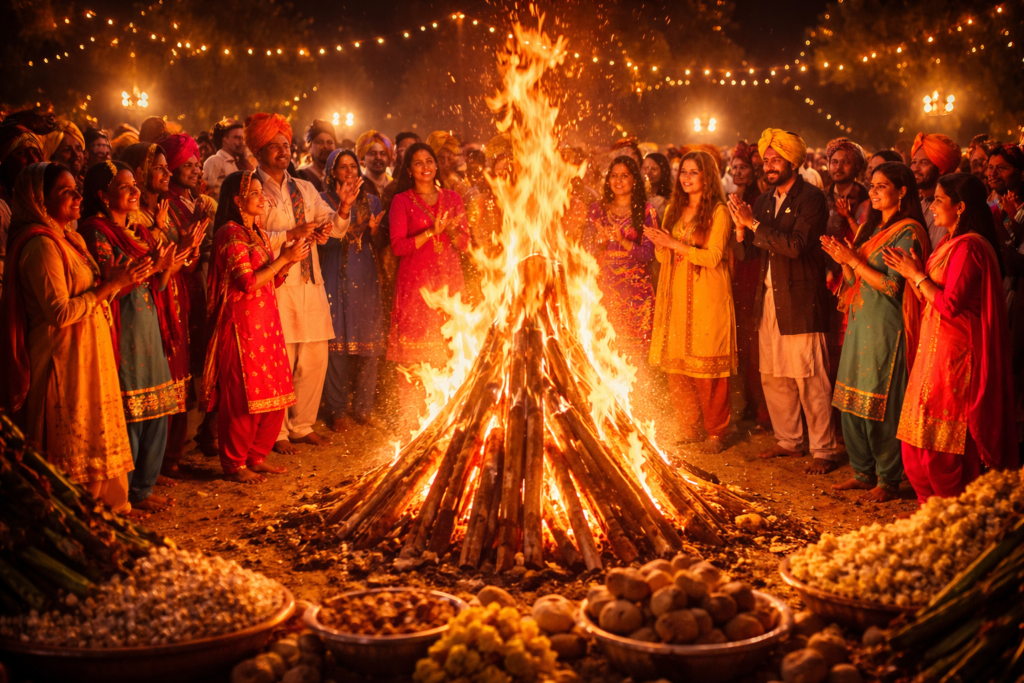
The Lohri bonfire is the heart of all celebrations. As the sun sets, people gather around a fire built using wood and cow dung cakes. The fire represents warmth, energy, and the life-giving power of the sun.
Offerings such as:
Sesame seeds (Til)
Jaggery (Gur)
Peanuts
Popcorn
Sugarcane
are thrown into the fire while people pray for abundance and well-being. Families walk around the fire, singing folk songs and clapping in rhythm.
Music, Dance, and Cultural Expression
No Lohri celebration is complete without Bhangra and Gidda. The energetic beats of the dhol fill the air as men and women dance joyfully around the bonfire.
Traditional attire adds vibrant colors to the celebration. Women wear salwar suits with phulkari dupattas, while men dress in kurta-pyjamas with turbans. The dance and music symbolize happiness, unity, and the festive spirit of Punjabi culture.
Special Importance for Newlyweds and Newborns
Lohri holds special significance for families celebrating the first Lohri of a newborn child or a newly married couple. These occasions are marked with grand celebrations, gifts, sweets, and extended family gatherings.
Such celebrations symbolize fertility, new beginnings, and blessings for a prosperous future.
Lohri Celebrations in Modern Times
In urban areas, Lohri has adapted to modern lifestyles. Housing societies organize community bonfires, cultural programs, and musical evenings. Even though the scale and setting may differ, the emotions and traditions remain intact.
Social media, digital invitations, and eco-friendly celebrations have become part of modern Lohri, blending tradition with contemporary life.
Why Lohri Still Matters Today
In today’s fast-paced world, Lohri reminds us of the importance of:
Gratitude toward nature
Strong family bonds
Community togetherness
Cultural heritage
It encourages people to pause, celebrate seasonal change, and reconnect with loved ones.
Conclusion
Lohri is much more than a festival—it is a celebration of life, warmth, and shared happiness. With its glowing bonfires, soulful folk songs, and rich traditions, Lohri continues to unite people across generations.
As the flames rise on Lohri night, they carry hopes of prosperity, health, and harmony, making Lohri a timeless celebration of harvest and happiness.
Frequently Asked Questions
Q1. Why is Lohri celebrated every year on 13th January?
Lohri is celebrated on 13th January to mark the end of winter and the beginning of longer days, linked with the harvest season and the sun’s northward movement.
Q2. What is the significance of the Lohri bonfire?
The bonfire symbolizes warmth, energy, and gratitude toward nature. People offer traditional foods to seek prosperity and happiness.
Q3. Who was Dulla Bhatti and why is he remembered during Lohri?
Dulla Bhatti was a folk hero known for helping poor girls. Lohri songs honor his courage and generosity.
Q4. What foods are traditionally eaten during Lohri?
Common Lohri foods include til ladoos, gajak, rewri, peanuts, popcorn, makki di roti, and sarson da saag.
Q5. Is Lohri celebrated outside Punjab?
Yes, Lohri is also celebrated in Haryana, Himachal Pradesh, Delhi, and by Punjabi communities worldwide.
