
Introduction
Grushneshwar Jyotirling is one of the 12 sacred Jyotirlings of Lord Shiva and holds immense religious importance in Hinduism. It is located near Ellora Caves in Chhatrapati Sambhajinagar (Aurangabad), Maharashtra. Surrounded by history, spirituality, and ancient architecture, this holy shrine attracts lakhs of devotees every year.
History & Mythology of Grushneshwar Jyotirling
Grushneshwar Jyotirlinga is an ancient shrine dedicated to Lord Shiva, believed to be over 1,000 years old. It is mentioned in several Hindu scriptures, including the Shiva Purana, highlighting its deep mythological importance. According to legend, Lord Shiva manifested here to bless a devoted woman named Ghushma, from whom the temple gets its name. The temple has been destroyed and rebuilt multiple times, reflecting centuries of devotion and resilience. The present structure was restored in the 18th century under the patronage of Queen Ahilyabai Holkar. Today, Grushneshwar stands as the twelfth and last Jyotirlinga, symbolizing eternal faith and spiritual power.
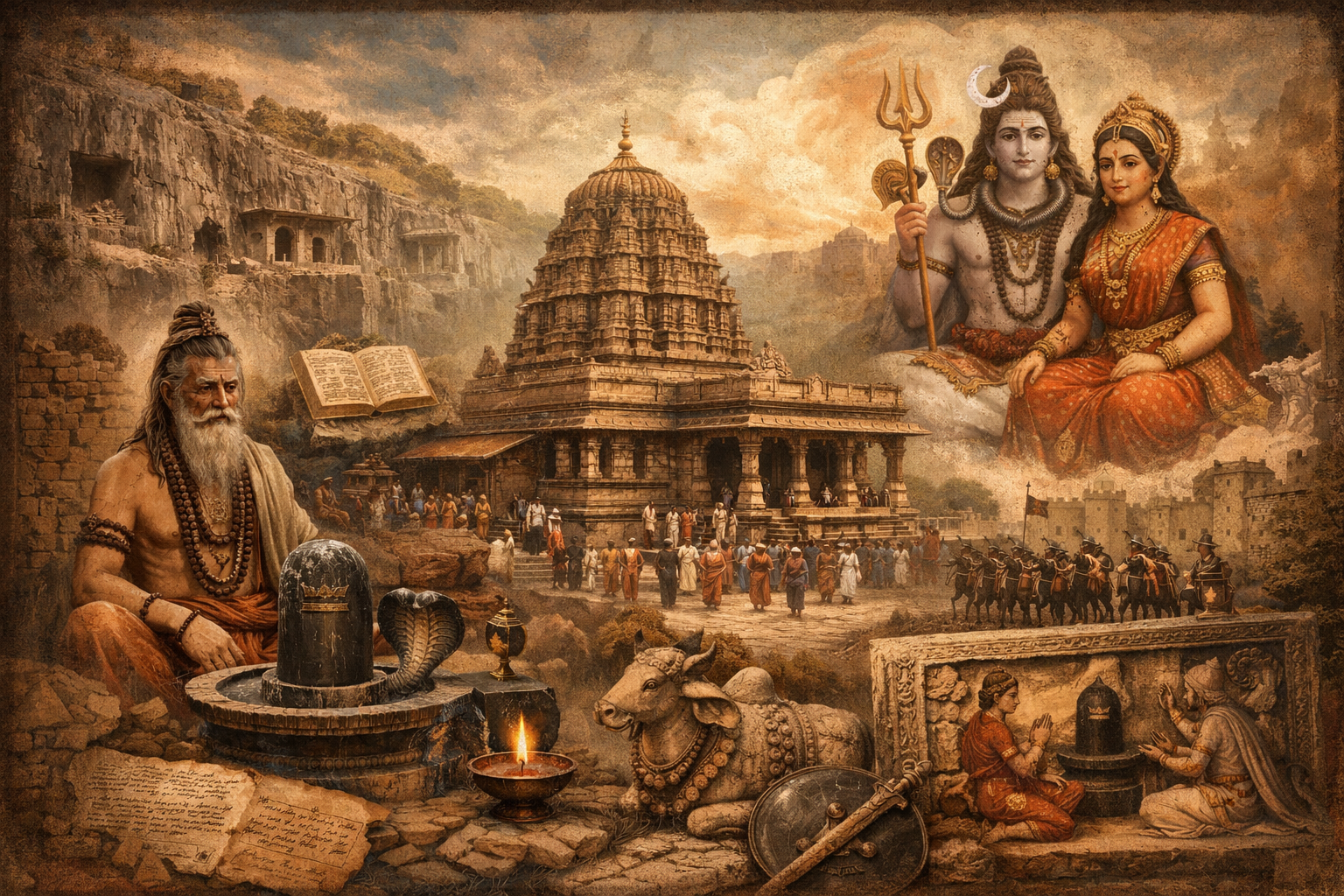
The temple is located close to the UNESCO World Heritage Ellora Caves, adding to its historical significance. Grushneshwar Jyotirlinga has long been a major pilgrimage site for Shaivite devotees from across India. The sacred atmosphere of the temple is believed to radiate the divine presence of Lord Mahadev.
- The Grushneshwar Jyotirlinga Temple is primarily built using local basalt stone, common in ancient Deccan architecture.
- Detailed sculptures of Lord Shiva, Goddess Parvati, Nandi, and other divine figures adorn the temple structure.
- The temple follows traditional South Indian–influenced Nagara-style architecture with a beautifully carved shikhara.
- Its walls, pillars, and entrance showcase intricate stone carvings (nakshikam) of gods, goddesses, and floral patterns.
- Mythological scenes from Hindu scriptures are finely engraved on the temple walls, reflecting deep spiritual symbolism.
Religious Significance
Visiting Grushneshwar Jyotirling is believed to:
Remove sins and negative karma
Fulfill devotees’ wishes
Bring mental peace and spiritual awakening
Major festivals celebrated here include Mahashivratri, Shravan Month Mondays, and Pradosh Vrat, when the temple witnesses massive crowds.
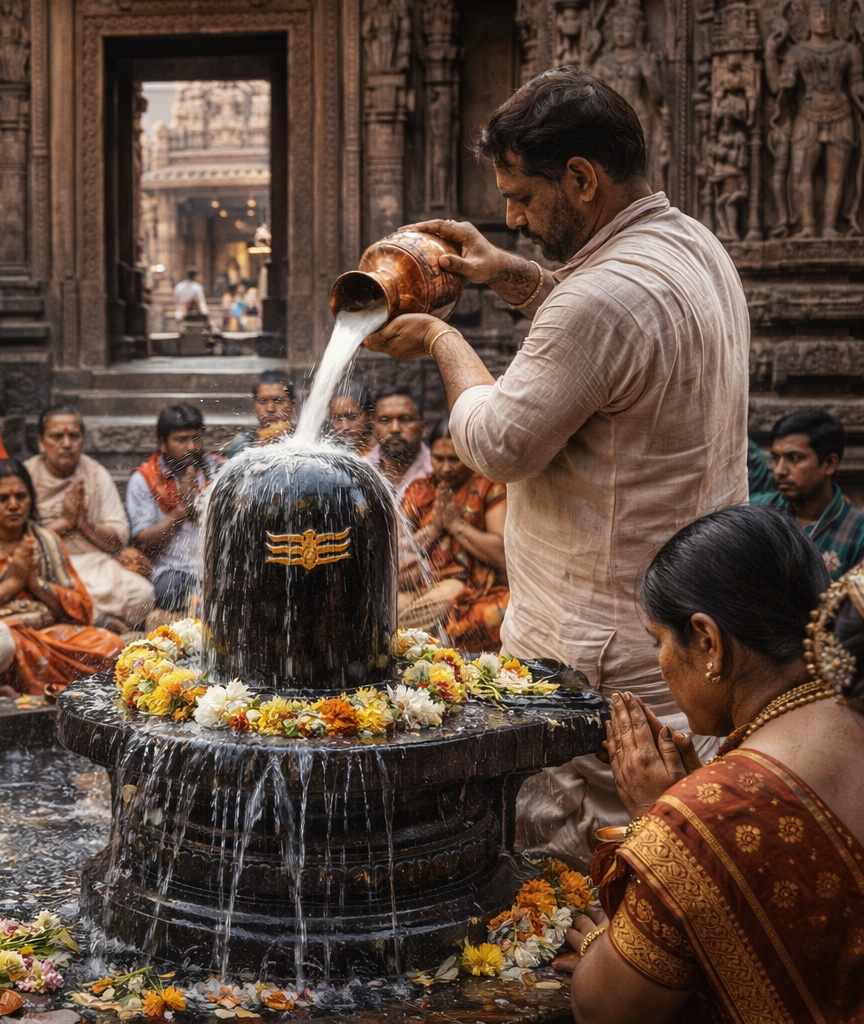
Darshan & Abhishek Timings
Temple Timings:
5:30 AM to 9:30 PM
Abhishek Timings:
5:30 AM to 7:30 AM
🔱 Unique Feature: Devotees are allowed to touch the Shiva Linga during Abhishek, which is rare among Jyotirling temples.
How to Reach Grushneshwar Jyotirling
✈️ By Air
Nearest Airport: Chhatrapati Sambhajinagar (Aurangabad) – approx. 40 km
🚆 By Train
Nearest Railway Station: Aurangabad Railway Station – well connected to major cities
🚌 By Road
Regular buses and taxis available from Aurangabad, Pune, Nashik, and nearby cities
Nearby Tourist Attractions
🗿 Ellora Caves (UNESCO World Heritage Site)
🏰 Daulatabad Fort
🕌 Bibi Ka Maqbara
🗿 Ajanta Caves
Important Guidelines for Devotees
Traditional dress is mandatory
Men must remove upper garments before entering sanctum
Mobile phones and cameras are not allowed inside
Early morning visits are recommended for peaceful darshan
Conclusion
Grushneshwar Jyotirling is not just a religious destination but a powerful center of faith, history, and divine energy. Its proximity to Ellora Caves makes it a perfect blend of spirituality and heritage. Every Shiva devotee should visit this sacred Jyotirling at least once in their lifetime.
If you are planning a spiritual trip, you should also read our complete guide on Tirupati Balaji Temple.
To explore more about the spiritual significance and mysteries of Ujjain Mahakal, be sure to read our detailed guide.
Frequently Asked Questions about Grushneshwar Temple
Grushneshwar Temple is the 12th and last Jyotirlinga of Lord Shiva, making it one of the most sacred pilgrimage sites for Shiva devotees.
The temple is located near Ellora Caves in Verul village, Aurangabad district, Maharashtra, India.
Grushneshwar Temple is generally open from 5:30 AM to 9:30 PM. Timings may vary on festivals and special occasions.
Yes, devotees are expected to wear traditional and modest clothing. Men usually wear dhoti or kurta, while women wear saree or salwar suit.
Yes, devotees are allowed to perform Abhishek personally, which is a unique feature of Grushneshwar Jyotirlinga.
