
Looks
Top Drug Addiction Cities in the World
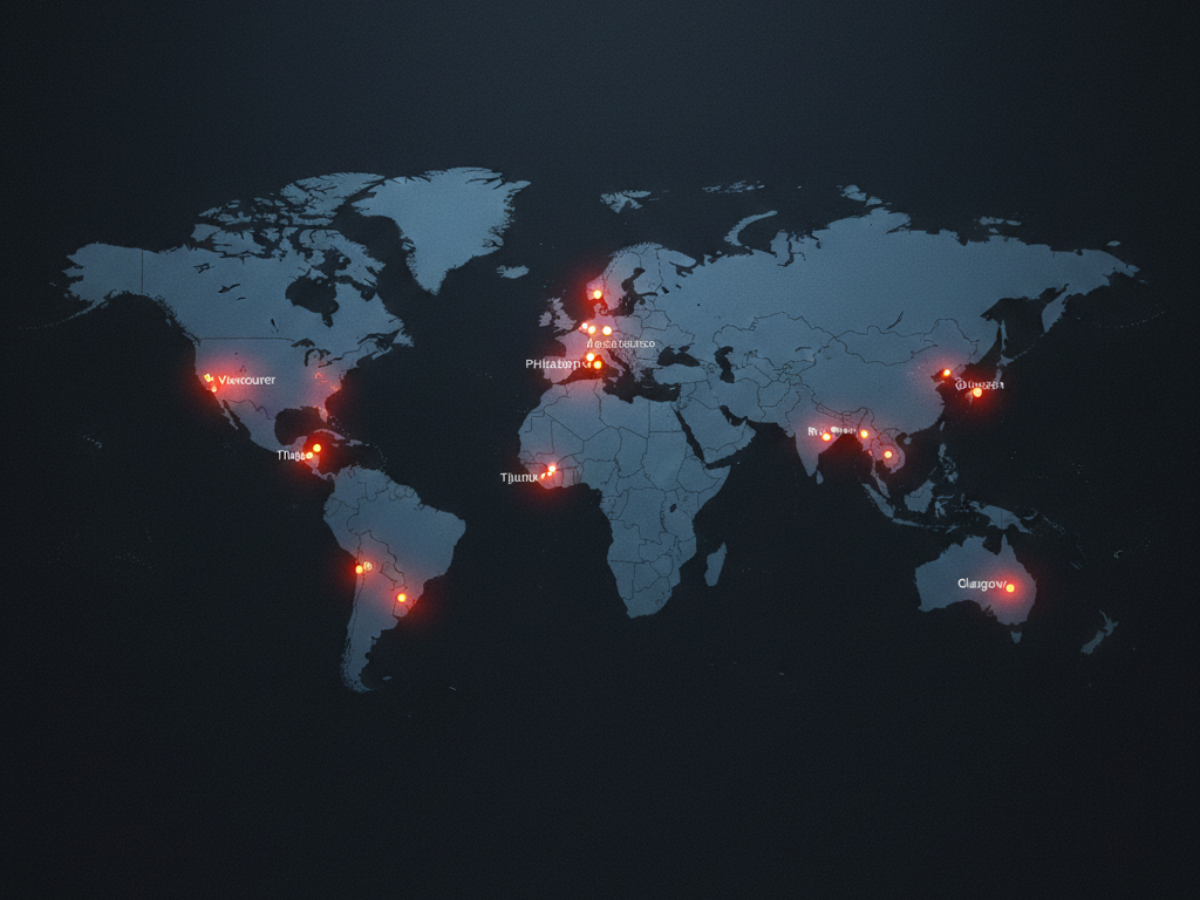
Drug addiction has silently evolved into one of the most dangerous global crises of the modern era. Once considered a problem limited to specific regions or communities, substance abuse today affects nearly every major city across the world. Rapid urbanization, social pressure, economic inequality, mental health struggles, and the easy availability of narcotics have transformed many global cities into centers of widespread drug addiction.
The issue goes far beyond individual users. Drug addiction damages families, overwhelms healthcare systems, fuels organized crime, increases homelessness, and destabilizes entire urban economies. This article explores the Top Drug Addiction Cities in the World, examining the drugs most commonly abused, the reasons addiction thrives in these cities, and the devastating social, economic, and health consequences that follow.
This is not about blaming cities it is about understanding the reality so that awareness, prevention, and rehabilitation can take center stage.
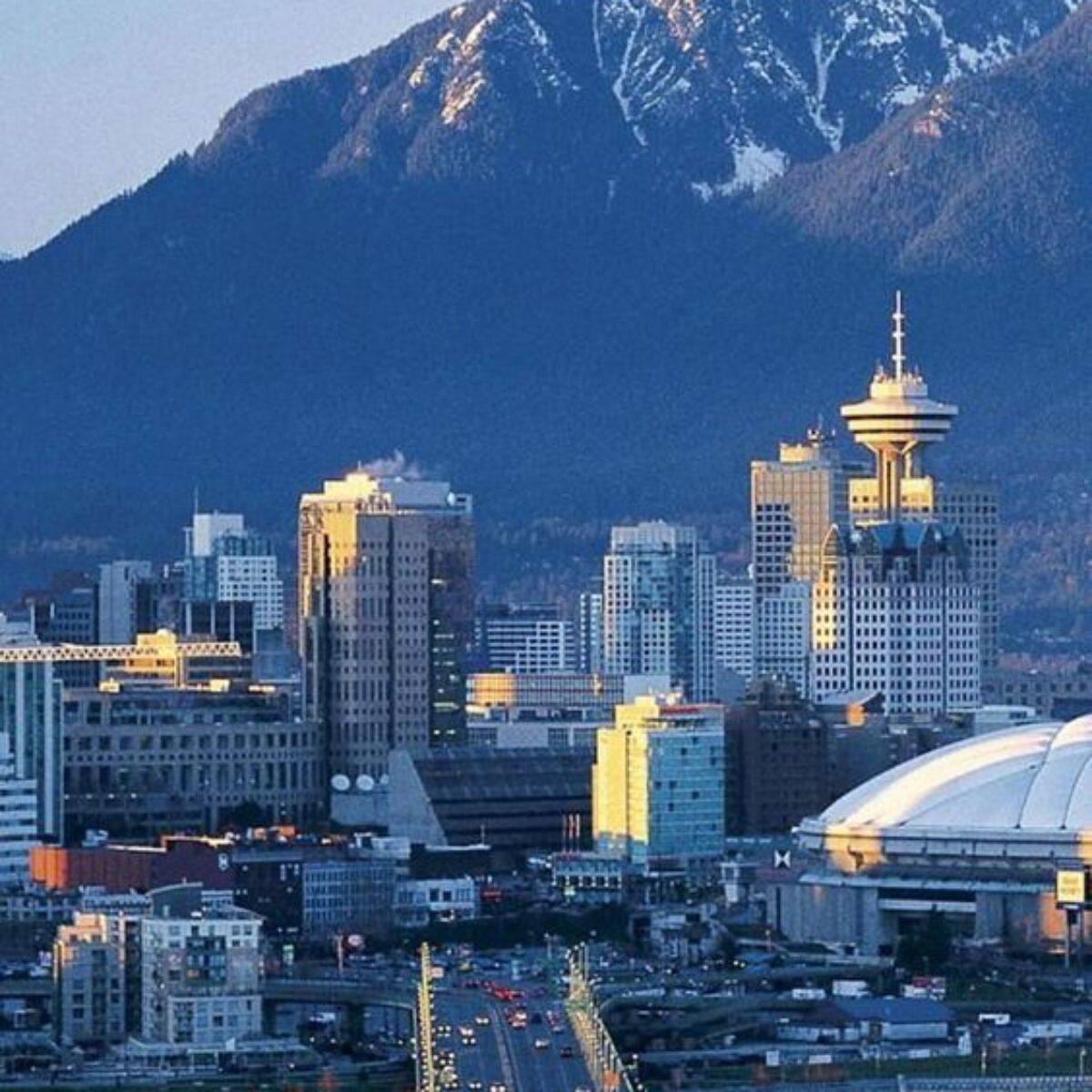
Vancouver, Canada
Vancouver has become internationally known for its severe drug addiction crisis, particularly related to opioids. Over the past decade, the city has experienced a dramatic rise in overdose deaths, largely driven by synthetic opioids such as fentanyl. Heroin, methamphetamine, and misused prescription painkillers are also widely abused.
The social and health impacts are deeply visible. Emergency services are overwhelmed, public drug use has become common in certain neighborhoods, and families are repeatedly torn apart by overdose deaths. Although Vancouver is not traditionally associated with violent drug cartels, its position as a Pacific port city makes it a key entry point for drugs entering North America, indirectly feeding both local addiction and broader trafficking networks.
San Francisco, United States
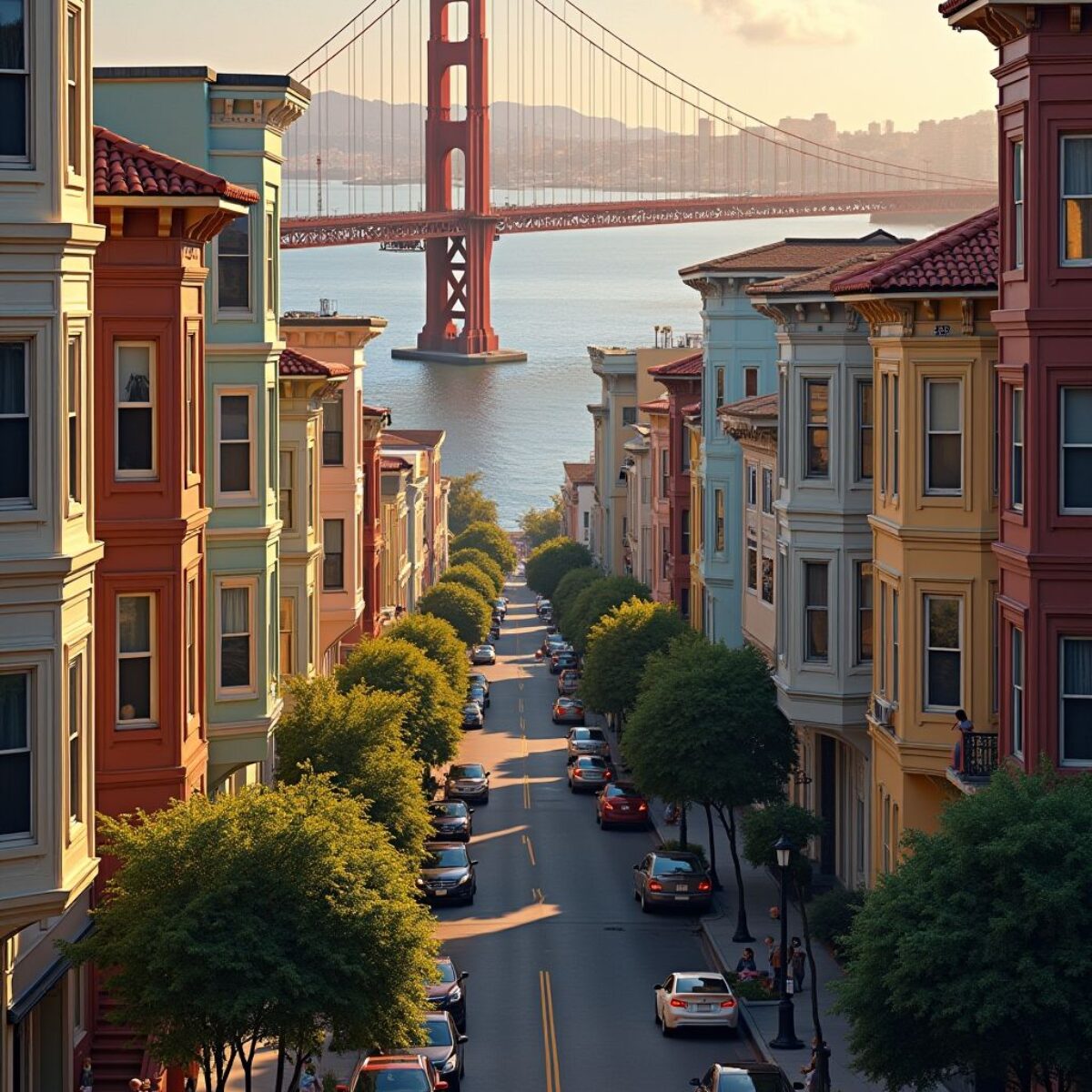
San Francisco represents a stark example of how wealth and addiction can coexist within the same city. Despite being one of the world’s leading technology and innovation hubs, the city struggles with widespread drug abuse, particularly fentanyl, methamphetamine, heroin, and prescription opioids.
The impact on society is severe. Overdose deaths continue to rise, public safety concerns affect residents and businesses, and the healthcare system faces immense strain. Drug trafficking networks take advantage of California’s coastal access and proximity to international borders, ensuring a constant supply of illicit substances into the city.
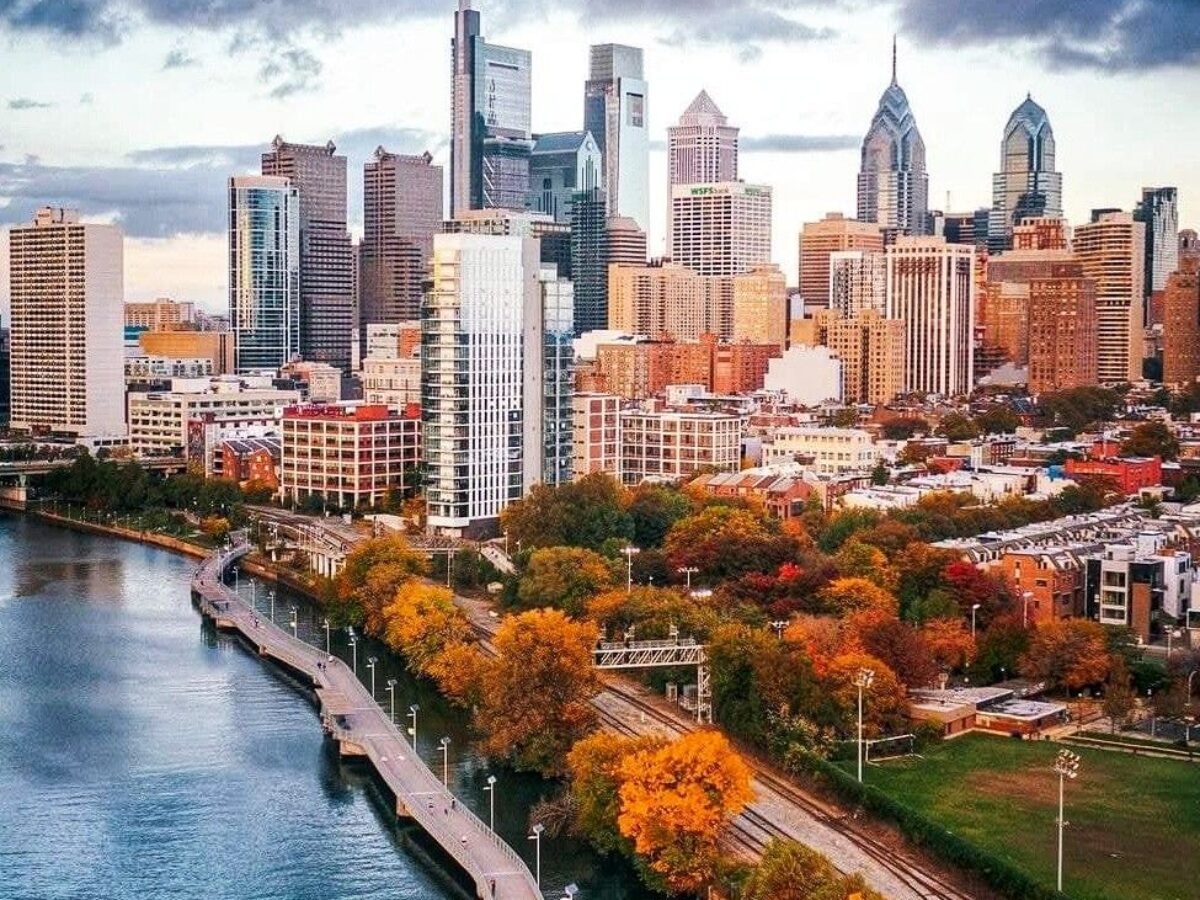
Philadelphia, United States
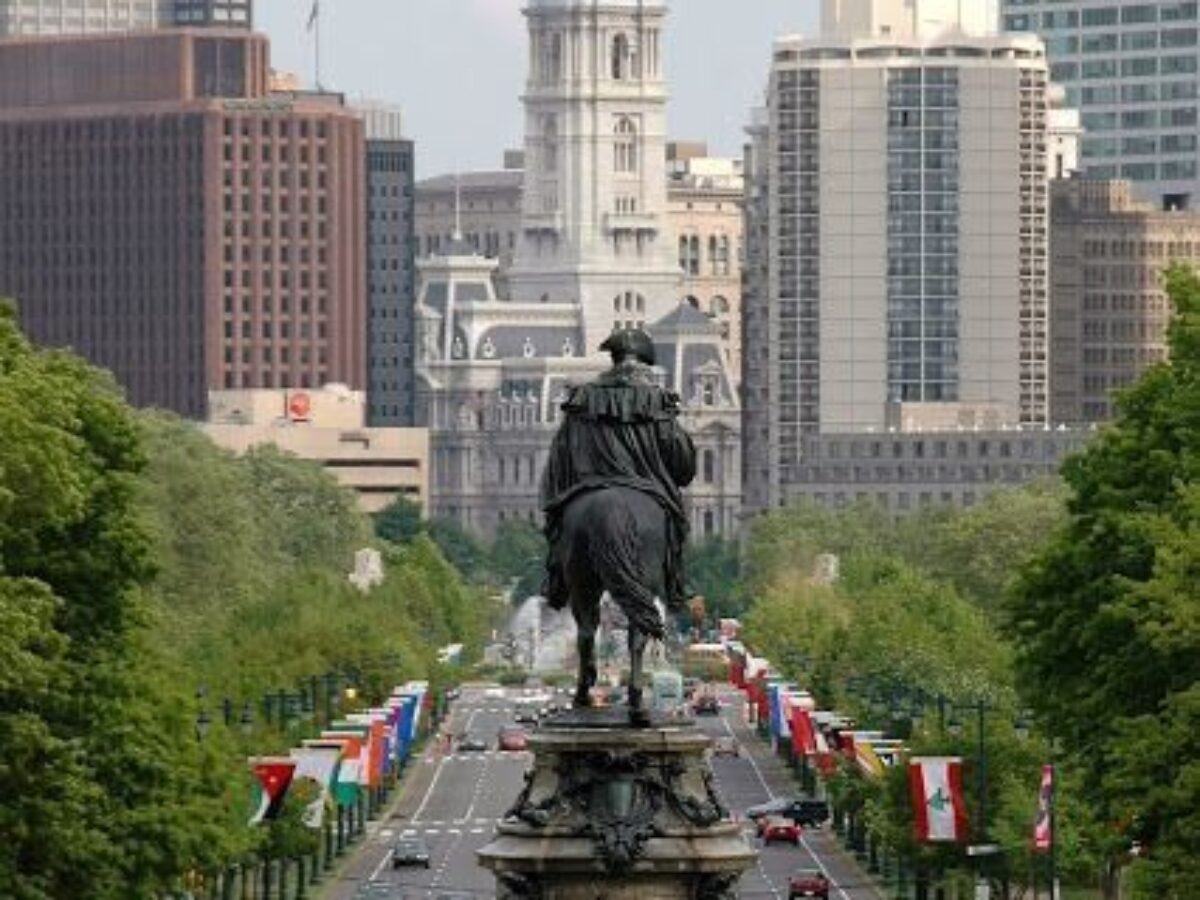
Philadelphia has long been one of the most drug-affected cities in the United States, particularly in relation to opioids. Heroin and fentanyl dominate the city’s drug landscape, with cocaine and prescription painkillers also contributing to widespread dependency.
The city faces significant health and social consequences. Open drug use areas, rising overdose deaths, increased crime, and long-term homelessness have become persistent challenges. Despite ongoing rehabilitation and outreach efforts, the scale of addiction continues to test the city’s resources and resilience.
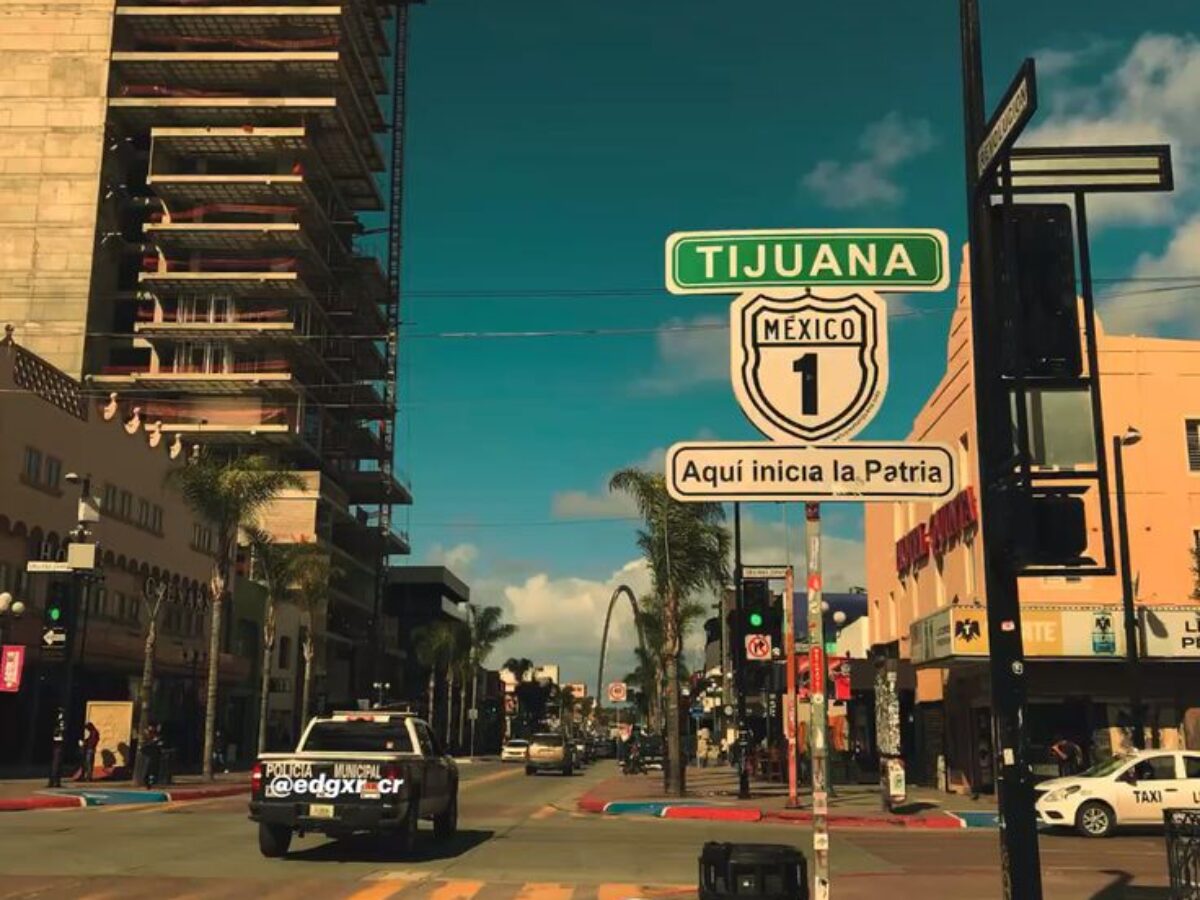
Tijuana, Mexico
Tijuana’s drug addiction problem is closely tied to its geographic location. Situated along a major drug trafficking route between Mexico and the United States, the city experiences heavy exposure to heroin, methamphetamine, cocaine, and synthetic opioids.
The consequences are profound. Addiction fuels violence, increases organized crime activity, and places immense pressure on public health services. While global attention often focuses on trafficking, the human cost borne by local communities is frequently overlooked.
Glasgow, Scotland
Glasgow has one of the highest drug-related death rates in Europe. The city struggles primarily with heroin, benzodiazepines, methadone misuse, and alcohol combined with other substances.
The impact on public health is severe. Overdose deaths, chronic illness, and reduced life expectancy are major concerns. While Scotland has invested in treatment and harm-reduction programs, Glasgow continues to face deep-rooted structural challenges linked to addiction.

Kensington (Philadelphia Area), United States
Although Kensington is a neighborhood rather than a city, it has become globally known as a symbol of urban drug devastation. Fentanyl and heroin dominate the area, creating one of the largest open drug scenes in the United States.
The social cost is heartbreaking. Families collapse, public spaces deteriorate, and healthcare and law enforcement struggle to keep pace. Kensington highlights what happens when addiction outgrows intervention efforts.
Rio de Janeiro, Brazil
Rio de Janeiro’s drug addiction problem is closely linked with organized crime and poverty. Cocaine, crack cocaine, marijuana, and synthetic drugs are widely abused, especially in marginalized communities.
The impact extends beyond health. Drug-related violence affects tourism, public safety, and economic stability. While government crackdowns target trafficking, addiction treatment and prevention remain insufficient for the scale of the problem.

Causes of Urban Drug Addiction
Drug addiction in cities does not occur randomly. Several interconnected factors contribute to its rise. Urban life often involves high stress, social isolation, and economic pressure. Mental health issues such as depression and anxiety frequently go untreated, leading individuals to self-medicate with drugs.
Easy access to narcotics, especially synthetic drugs that are cheap and potent, accelerates addiction rates. Migration, homelessness, and breakdown of family structures further increase vulnerability. In many cities, the lack of affordable rehabilitation services worsens the crisis.
Effects on Youth and Society
Youth are among the most affected by urban drug addiction. Exposure to drugs at an early age increases the risk of lifelong dependency. Addiction disrupts education, limits employment opportunities, and increases the likelihood of criminal involvement.
For society, the costs are enormous. Healthcare systems are overwhelmed, productivity declines, crime rates rise, and entire communities suffer long-term damage. Drug addiction is not just a personal failure—it is a societal emergency.
Government and Rehabilitation Efforts
Governments worldwide have adopted different strategies to address addiction, ranging from strict law enforcement to harm-reduction and rehabilitation-focused approaches. Some cities emphasize supervised consumption sites and medical treatment, while others focus on cracking down on trafficking networks.
Rehabilitation, mental health support, education, and employment programs are essential for long-term recovery. Without addressing root causes, enforcement alone cannot solve the crisis.
Conclusion: Awareness Is the First Step Toward Change
The Top Drug Addiction Cities in the World reveal a harsh truth: drug addiction is a global urban crisis that affects rich and poor nations alike. Behind every statistic is a human life—a family, a future, a community.
Addiction should not be viewed as a crime, but as a public health emergency that demands compassion, understanding, and action. Awareness is the first step. Prevention, treatment, and rehabilitation must follow. Only then can cities begin to heal and reclaim their future.
Frequently Asked Questions (FAQs)
What are the top drug addiction cities in the world?
The top drug addiction cities in the world include major urban centers such as Vancouver (Canada), San Francisco and Philadelphia (USA), Tijuana (Mexico), Rio de Janeiro (Brazil), and Glasgow (Scotland). These cities face severe challenges due to opioid abuse, synthetic drugs, and organized trafficking networks.
Why is drug addiction more common in big cities?
Drug addiction is more common in big cities due to high population density, economic inequality, stress-filled lifestyles, mental health issues, homelessness, and easy access to illegal drugs through trafficking routes.
Which drugs are most commonly abused in urban areas?
The most commonly abused drugs in urban areas include opioids like fentanyl and heroin, methamphetamine, cocaine, crack cocaine, and misused prescription painkillers.
How does drug addiction affect society?
Drug addiction affects society by increasing healthcare costs, crime rates, homelessness, unemployment, and family breakdowns. It also places long-term pressure on public services and damages community stability.
Is drug addiction linked to organized crime?
Yes, drug addiction is closely linked to organized crime. Drug trafficking networks supply illegal substances to cities, fueling violence, corruption, and illegal economies while worsening addiction among local populations.
How does drug addiction impact youth?
Drug addiction has a severe impact on youth by disrupting education, increasing mental health problems, limiting career opportunities, and raising the risk of lifelong dependency and criminal involvement.
What can governments do to control urban drug addiction?
Governments can address urban drug addiction through rehabilitation programs, mental health support, education, employment opportunities, harm-reduction strategies, and strong action against drug trafficking networks.
